Rajya Sabha Passes Anti-Paper Leak Bill
Stricter punishments for paper leaks, Govt promises stronger protection for students
'%3E%3Crect%20width%3D'96'%20height%3D'96'%20fill%3D'%231A5276'%2F%3E%3Ccircle%20cx%3D'30'%20cy%3D'24'%20r%3D'44'%20fill%3D'%23fff'%20opacity%3D'.12'%2F%3E%3Ccircle%20cx%3D'60'%20cy%3D'74'%20r%3D'40'%20fill%3D'%23000'%20opacity%3D'.10'%2F%3E%3C%2Fg%3E%3Cg%20fill%3D'%23fff'%3E%3Cpath%20d%3D'M31%2041%20L48%2031%20L65%2041%20Z'%2F%3E%3Crect%20x%3D'33'%20y%3D'43'%20width%3D'4'%20height%3D'17'%2F%3E%3Crect%20x%3D'41'%20y%3D'43'%20width%3D'4'%20height%3D'17'%2F%3E%3Crect%20x%3D'51'%20y%3D'43'%20width%3D'4'%20height%3D'17'%2F%3E%3Crect%20x%3D'59'%20y%3D'43'%20width%3D'4'%20height%3D'17'%2F%3E%3Crect%20x%3D'30'%20y%3D'62'%20width%3D'36'%20height%3D'4'%20rx%3D'1'%2F%3E%3C%2Fg%3E%3C%2Fsvg%3E)
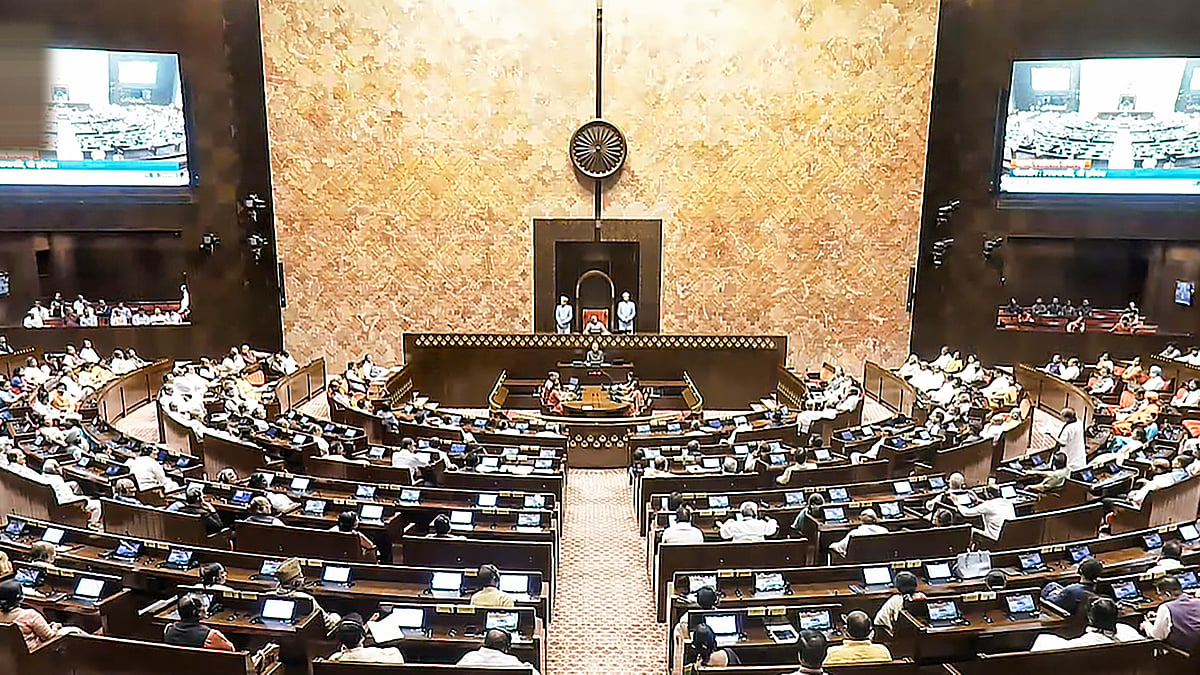
The Rajya Sabha passed the Public Examination (Prevention of Unfair Means) Amendment Bill, 2026, with a voice vote on Thursday, introducing stricter punishments for individuals involved in paper leaks or unfair means in exams.
The bill was cleared amid a walkout by several Opposition parties from the India bloc.
The Lok Sabha had passed the Bill on Wednesday. Prime Minister Narendra Modi posted a video message on Instagram, saying the government has completed the task of making a stringent law against paper leaks.
He stated that the government is taking steps against paper leaks and exam malpractices, and is moving towards improving the exam system with the use of the latest technology.
According to the amended Bill, individuals involved in paper leaks or unfair means in exams will face jail terms of 5-10 years and a fine of up to Rs 50 lakh. For organised crimes, the Bill proposes a minimum sentence of seven years and a fine of not less than Rs 10 crore.
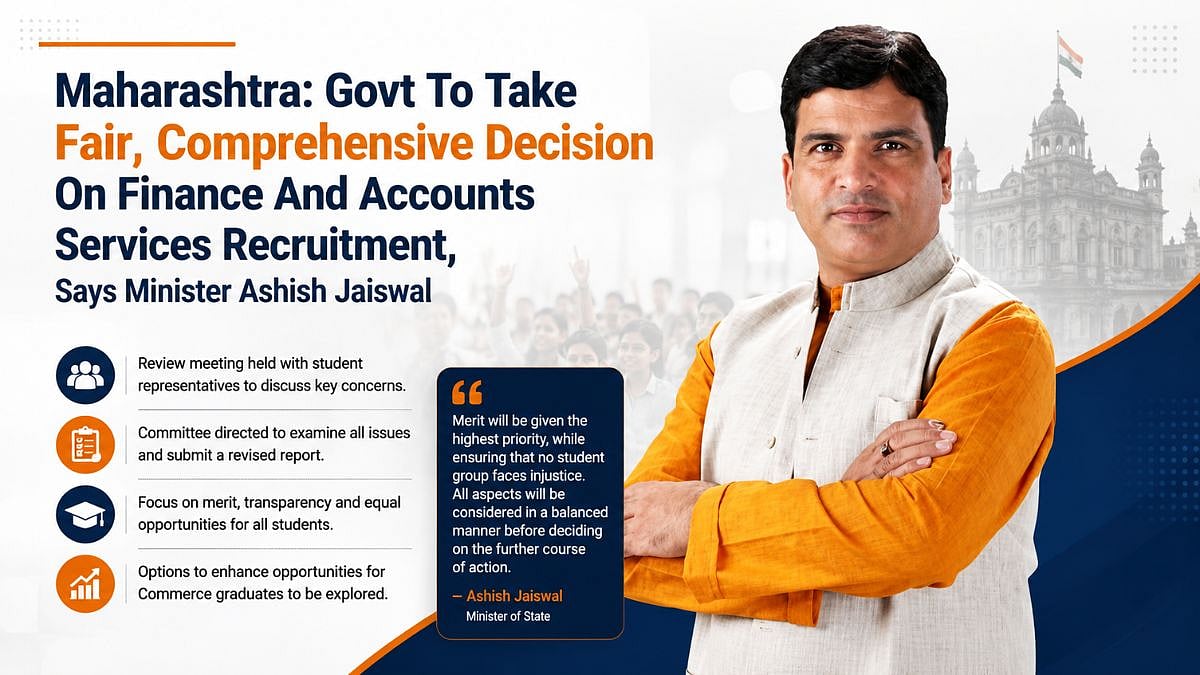
Union Minister of State for Personnel, Public Grievances and Pensions Jitendra Singh said the government is committed to ensuring that public examinations remain transparent, credible and merit-based.
He stated that the amendments would further strengthen the legal framework for preventing unfair means in public examinations while safeguarding students' interests.
The law comprehensively addresses offences ranging from leakage of question papers and answer keys, tampering with answer sheets and computer systems, to organised attempts to facilitate unfair means in examinations.
Singh criticised the Opposition for not properly reading the provisions of the Bill and for staging a walkout just before he started replying to the debate.
He accused the Opposition of being irresponsible by walking out and said it is unfortunate that many members who raised objections chose to walk out when their issues were to be responded to.
The passage of the bill is a significant step towards protecting the interests of students and ensuring the integrity of public examinations.
The government's commitment to using the latest technology to improve the exam system is also a positive development.
The new law is expected to have a significant impact on the education system in India, and will help to prevent unfair means in public examinations.
In conclusion, the passage of the Public Examination (Prevention of Unfair Means) Amendment Bill, 2026, is a major step forward in protecting the interests of students and ensuring the integrity of public examinations in India.
The government's commitment to using technology to improve the exam system and prevent unfair means is a positive development, and the new law is expected to have a significant impact on the education system in India.
Frequently asked questions
What are the punishments for paper leaks under the new law?
Individuals involved in paper leaks or unfair means in exams will face jail terms of 5-10 years and a fine of up to Rs 50 lakh.
What is the government's plan to improve the exam system?
The government plans to use the latest technology to improve the exam system and prevent unfair means in public examinations.