Super El Niño May Bring Cold Winter
Colder and snowier winter expected in US, Canada and Europe.

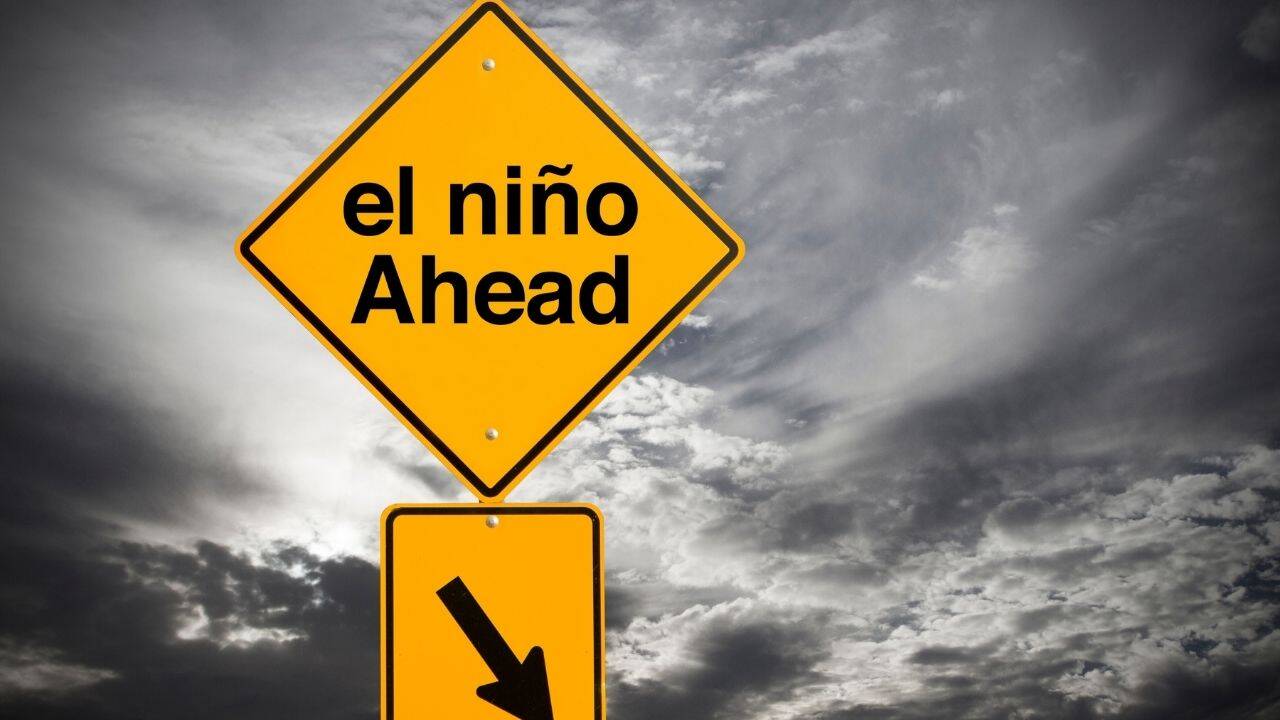
A potential Super El Niño event may disrupt the Polar Vortex, leading to colder and snowier conditions in North America and Europe. This phenomenon has been observed in the past, where strong El Niño events were followed by significant changes in weather patterns.
Meteorologists are closely monitoring the large-scale atmospheric patterns to predict the potential impacts of this event. The Polar Vortex is a critical component of the Earth's climate system, and its disruption can have far-reaching consequences.
Historically, strong El Niño events have been associated with changes in the Polar Vortex, leading to colder and snowier winters in certain regions. The projected pattern suggests that the potential impacts of the Super El Niño event may be felt during January and February 2027.
The El Niño-Southern Oscillation (ENSO) is a natural climate pattern that occurs in the Pacific Ocean, affecting global climate conditions. A Super El Niño event is characterized by unusually warm ocean temperatures in the eastern Pacific, which can have significant impacts on weather patterns worldwide.
The potential disruption of the Polar Vortex by the Super El Niño event may lead to changes in the jet stream, a high-altitude wind pattern that plays a crucial role in shaping weather conditions. This, in turn, can result in colder and snowier conditions in North America and Europe.
While the forecasts are still preliminary, meteorologists are urging caution and emphasizing the need for continued monitoring of the situation. The potential impacts of the Super El Niño event on global climate patterns are significant, and it is essential to stay informed about the latest developments.
In the coming months, scientists will be closely watching the evolution of the El Niño event and its potential effects on the Polar Vortex. As more data becomes available, forecasts will be refined, providing a clearer picture of the potential impacts of this event.
The Super El Niño event has significant implications for climate patterns in the US, Canada, and Europe. If the forecasts hold true, it may be essential for these regions to prepare for colder and snowier conditions during the winter months.
In conclusion, the potential Super El Niño event may have significant impacts on global climate patterns, particularly in North America and Europe. As the situation continues to evolve, it is crucial to stay informed about the latest developments and forecasts.