NEET Protests: Creator Claims Shadowban on Instagram
Instagram creator Apoorva Mudgal claims her posts are being restricted, sparking conversations about shadowban.
'%3E%3Crect%20width%3D'96'%20height%3D'96'%20fill%3D'%23B3261E'%2F%3E%3Ccircle%20cx%3D'30'%20cy%3D'24'%20r%3D'44'%20fill%3D'%23fff'%20opacity%3D'.12'%2F%3E%3Ccircle%20cx%3D'60'%20cy%3D'74'%20r%3D'40'%20fill%3D'%23000'%20opacity%3D'.10'%2F%3E%3C%2Fg%3E%3Cg%20fill%3D'%23fff'%3E%3Crect%20x%3D'29'%20y%3D'49'%20width%3D'8'%20height%3D'19'%20rx%3D'1'%2F%3E%3Crect%20x%3D'39'%20y%3D'40'%20width%3D'9'%20height%3D'28'%20rx%3D'1'%2F%3E%3Crect%20x%3D'50'%20y%3D'45'%20width%3D'8'%20height%3D'23'%20rx%3D'1'%2F%3E%3Crect%20x%3D'60'%20y%3D'53'%20width%3D'7'%20height%3D'15'%20rx%3D'1'%2F%3E%3Crect%20x%3D'41'%20y%3D'34'%20width%3D'5'%20height%3D'6'%2F%3E%3C%2Fg%3E%3C%2Fsvg%3E)
Apoorva Mudgal, an Instagram creator, has claimed that her posts documenting the NEET protests in Delhi are receiving unusually low reach, sparking conversations about whether her content is being quietly restricted.
She attended the protests and shared visuals from the site, posting on Instagram that 'the shadowban has arrived'. Mudgal added that the IT cell is now actively working to take down eyewitness accounts and urged users to engage with reports from the ground.
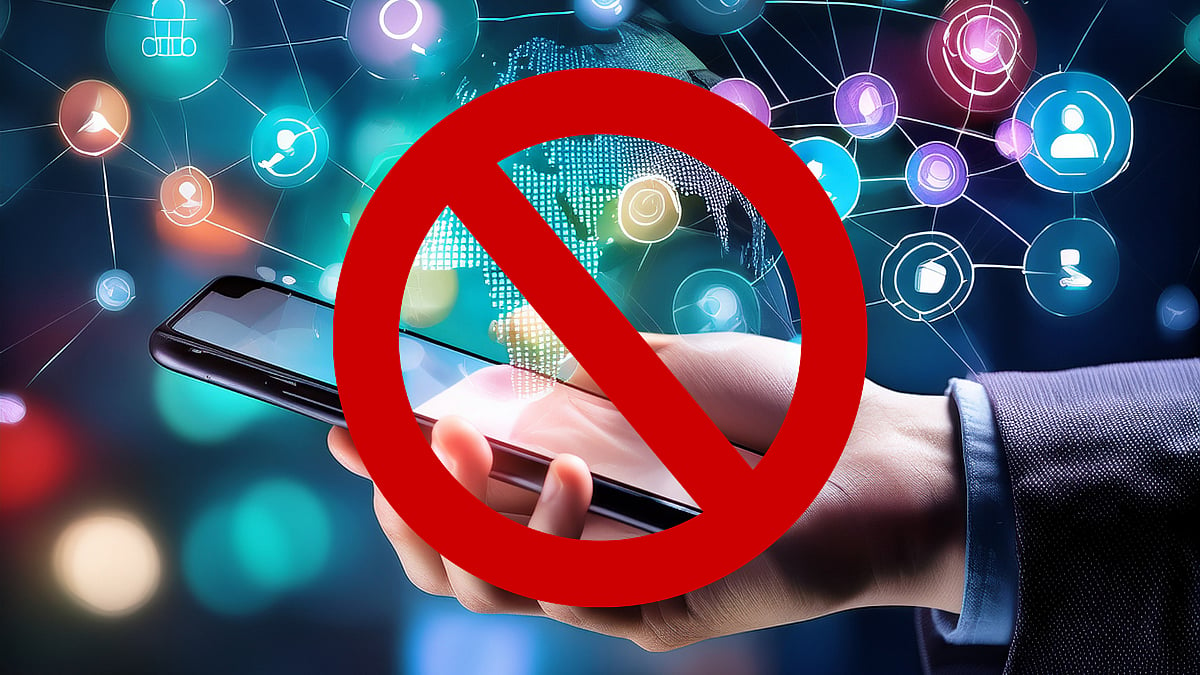
A shadowban is an unofficial term used to describe a situation where a social media platform reduces the visibility of a user's content without informing them. This can include posts not appearing in recommendations, searches, or hashtag feeds, making it harder for new audiences to discover them.
Major platforms rarely acknowledge using the term 'shadowban', often stating that content visibility depends on moderation policies and recommendation algorithms. However, users can identify potential shadowbans by looking out for common patterns such as a sudden decline in likes, comments, or shares, posts not appearing under hashtags, and content only reaching existing followers.
Experts caution that reduced engagement doesn't automatically mean an account has been restricted. Social media algorithms change frequently, audience interests evolve, and seasonal trends can also influence how widely posts are distributed.
The NEET protests in Delhi have been ongoing, with students and activists expressing concerns over the alleged paper leak and the education system in India. The use of the term 'shadowban' has gained momentum, with many users discussing the potential restriction of their content.
The Reynolds Journalism Institute notes that one of the biggest challenges is distinguishing an actual visibility restriction from ordinary algorithm fluctuations, making it difficult for users to know the exact reason behind falling reach.
As the conversation around shadowban continues to grow, it remains to be seen how social media platforms will respond to these concerns. For now, users like Mudgal are urging others to engage with content from the ground, in an effort to amplify the voices of those affected by the NEET protests.
The issue of shadowban raises important questions about the role of social media in shaping public discourse and the potential for censorship. As social media continues to play a crucial role in shaping public opinion, it is essential to understand the mechanisms that govern content visibility and the potential implications for free speech.
In the context of the NEET protests, the alleged shadowban on Instagram has highlighted the need for greater transparency and accountability from social media platforms. As users continue to rely on these platforms to access information and connect with others, it is essential to ensure that their voices are not being unfairly restricted.
The ongoing debate around shadowban serves as a reminder of the complex and often nuanced relationship between social media, free speech, and censorship. As the conversation continues to evolve, it is crucial to consider the potential implications for users, platforms, and society as a whole.
In conclusion, the claim of shadowban by Apoorva Mudgal has sparked an important conversation about the potential restriction of content on social media. As the NEET protests continue, it remains to be seen how social media platforms will respond to these concerns and what implications this may have for users and free speech.
Frequently asked questions
What is a shadowban?
A shadowban is an unofficial term used to describe a situation where a social media platform reduces the visibility of a user's content without informing them.
How can you identify a shadowban?
Common patterns include a sudden decline in likes, comments, or shares, posts not appearing under hashtags, and content only reaching existing followers.