Pune Introduces Electric Double-Decker Buses On 10 Routes
Pune to test electric double-decker buses, enhancing passenger capacity and sustainability.
'%3E%3Crect%20width%3D'96'%20height%3D'96'%20fill%3D'%23B3261E'%2F%3E%3Ccircle%20cx%3D'30'%20cy%3D'24'%20r%3D'44'%20fill%3D'%23fff'%20opacity%3D'.12'%2F%3E%3Ccircle%20cx%3D'60'%20cy%3D'74'%20r%3D'40'%20fill%3D'%23000'%20opacity%3D'.10'%2F%3E%3C%2Fg%3E%3Cg%20fill%3D'%23fff'%3E%3Crect%20x%3D'29'%20y%3D'49'%20width%3D'8'%20height%3D'19'%20rx%3D'1'%2F%3E%3Crect%20x%3D'39'%20y%3D'40'%20width%3D'9'%20height%3D'28'%20rx%3D'1'%2F%3E%3Crect%20x%3D'50'%20y%3D'45'%20width%3D'8'%20height%3D'23'%20rx%3D'1'%2F%3E%3Crect%20x%3D'60'%20y%3D'53'%20width%3D'7'%20height%3D'15'%20rx%3D'1'%2F%3E%3Crect%20x%3D'41'%20y%3D'34'%20width%3D'5'%20height%3D'6'%2F%3E%3C%2Fg%3E%3C%2Fsvg%3E)
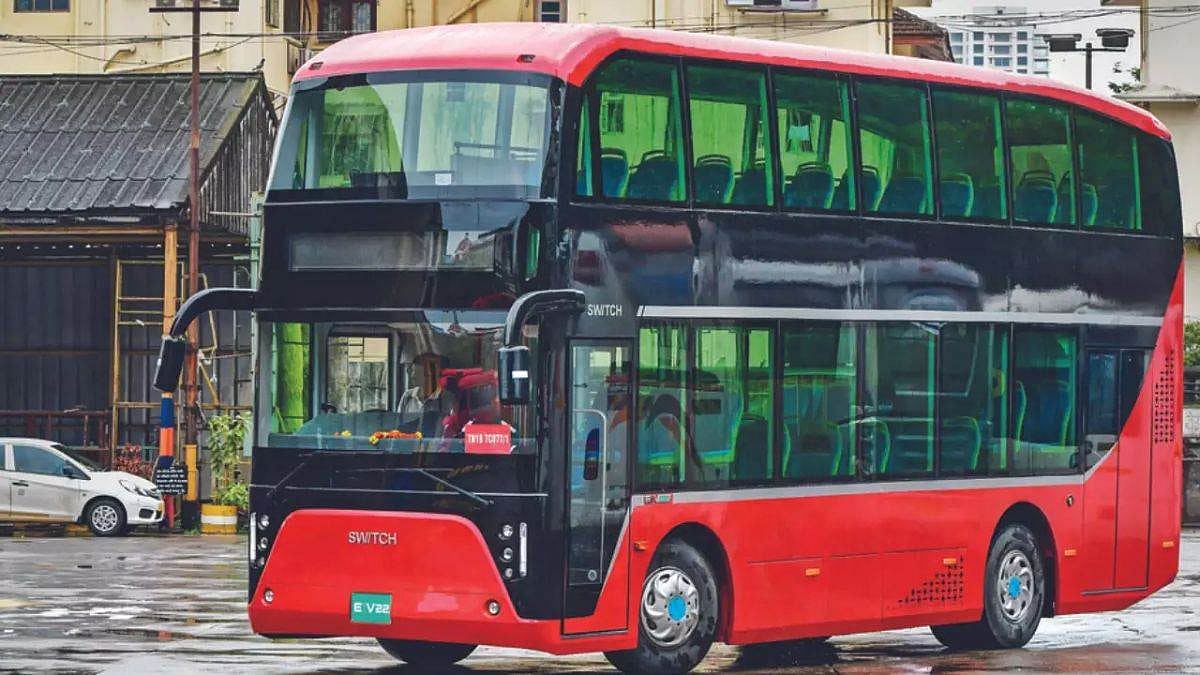
Pune is set to witness the return of double-decker buses, this time in an electric version, as the Pune Mahanagar Parivahan Mahamandal Limited (PMPML) begins trial runs on 10 routes across the city from July 21.
The pilot project aims to assess the feasibility of integrating electric double-decker buses into Pune's public transport network, focusing on corridors not served by the Metro or Bus Rapid Transit (BRT) system. PMPML officials will evaluate various aspects of the selected routes, including road width, turning radius, and traffic conditions.
The trial will cover routes such as Hadapsar–Wagholi and Hadapsar–Swargate, among others, which lack Metro and BRT connectivity. This initiative aims to improve public transport accessibility in these areas. PMPML had previously conducted a similar trial but has decided to carry out a fresh round of route assessments before making a final decision on introducing the buses into its fleet.
The electric double-decker buses are expected to enhance passenger capacity while supporting environmentally sustainable urban transport. This initiative has generated excitement among commuters, who fondly remember the iconic double-decker buses that once operated on Pune's roads.
Pune's public transport network has been expanding in recent years, with the introduction of new buses and routes. The addition of electric double-decker buses could further enhance the city's transport infrastructure, providing a more efficient and sustainable mode of transportation for commuters.
The trial run is a significant step towards introducing electric double-decker buses into Pune's public transport network. If successful, it could pave the way for the adoption of similar initiatives in other cities, promoting sustainable urban transport and reducing carbon emissions.
PMPML's decision to conduct a fresh round of route assessments demonstrates the organization's commitment to ensuring the safe and efficient integration of electric double-decker buses into the city's transport network. The findings from the trial will help determine the feasibility of operating these high-capacity buses on a regular basis.
As Pune continues to grow and develop, its public transport network must adapt to meet the increasing demands of its residents. The introduction of electric double-decker buses could be a significant step towards creating a more efficient, sustainable, and commuter-friendly transport system.
The success of this initiative could have far-reaching implications for urban transport in India, promoting the adoption of environmentally sustainable modes of transportation and reducing carbon emissions. As the trial run commences, commuters and residents will be eagerly awaiting the outcome, hoping that the electric double-decker buses will become a permanent fixture on Pune's roads.
In conclusion, the introduction of electric double-decker buses in Pune is a significant development that could enhance the city's public transport network, promoting sustainability and efficiency. The trial run, set to begin on July 21, will be closely watched, and its outcome could have a lasting impact on the city's transport infrastructure.