Pawan Khera Comments on Wangchuk's Hunger Strike
Pawan Khera speaks out on Wangchuk's hunger strike, now in its 20th day.
'%3E%3Crect%20width%3D'96'%20height%3D'96'%20fill%3D'%231A5276'%2F%3E%3Ccircle%20cx%3D'30'%20cy%3D'24'%20r%3D'44'%20fill%3D'%23fff'%20opacity%3D'.12'%2F%3E%3Ccircle%20cx%3D'60'%20cy%3D'74'%20r%3D'40'%20fill%3D'%23000'%20opacity%3D'.10'%2F%3E%3C%2Fg%3E%3Cg%20fill%3D'%23fff'%3E%3Cpath%20d%3D'M31%2041%20L48%2031%20L65%2041%20Z'%2F%3E%3Crect%20x%3D'33'%20y%3D'43'%20width%3D'4'%20height%3D'17'%2F%3E%3Crect%20x%3D'41'%20y%3D'43'%20width%3D'4'%20height%3D'17'%2F%3E%3Crect%20x%3D'51'%20y%3D'43'%20width%3D'4'%20height%3D'17'%2F%3E%3Crect%20x%3D'59'%20y%3D'43'%20width%3D'4'%20height%3D'17'%2F%3E%3Crect%20x%3D'30'%20y%3D'62'%20width%3D'36'%20height%3D'4'%20rx%3D'1'%2F%3E%3C%2Fg%3E%3C%2Fsvg%3E)
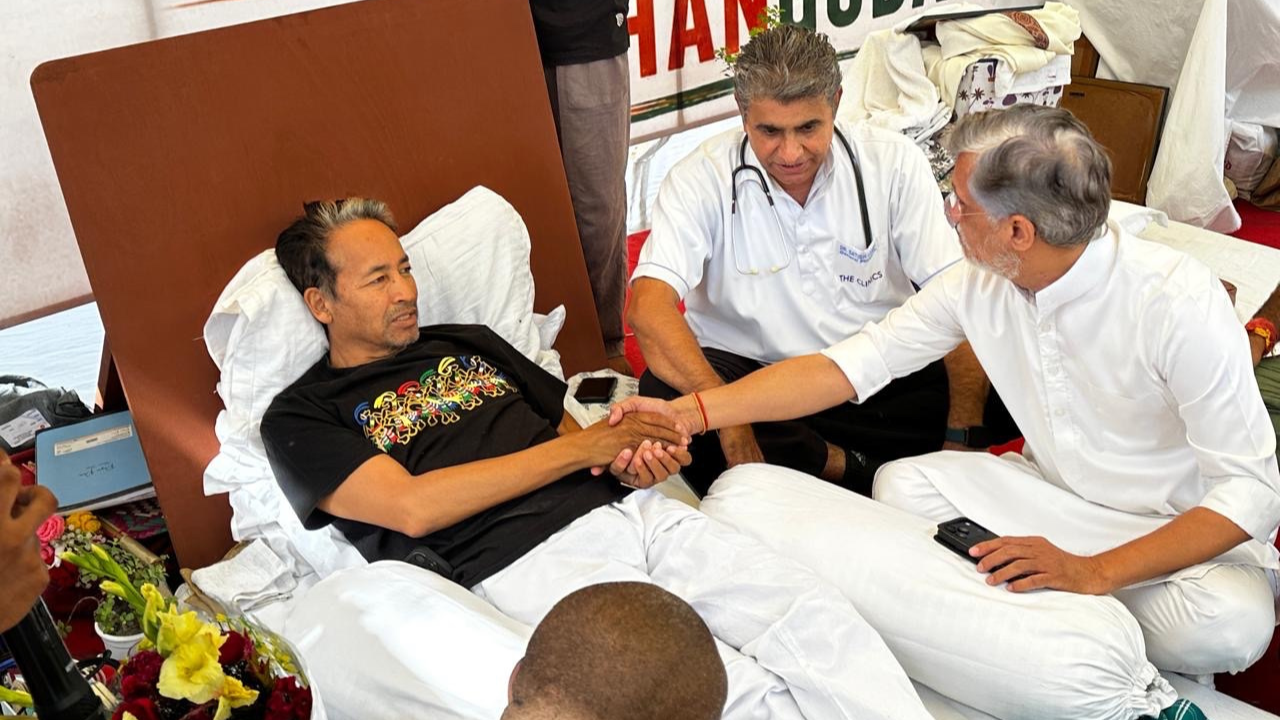
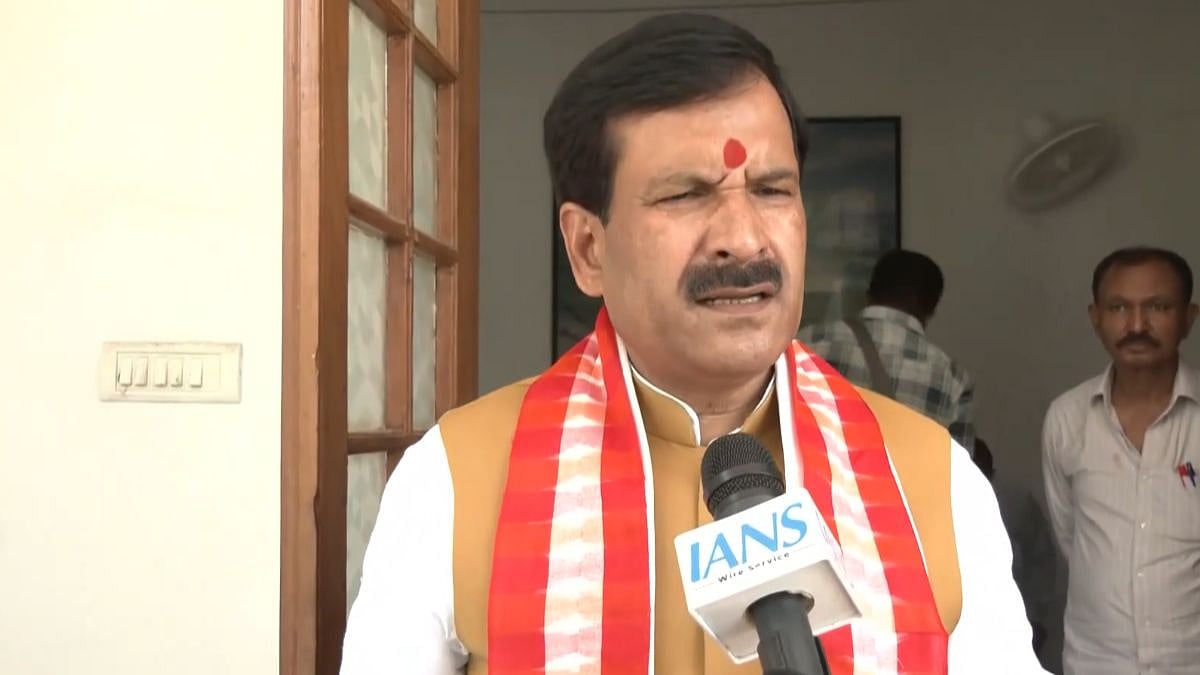
Pawan Khera has expressed his concerns about the ongoing hunger strike by Wangchuk, which has entered its 20th day. Khera stated that risking one's life will not yield the desired results.
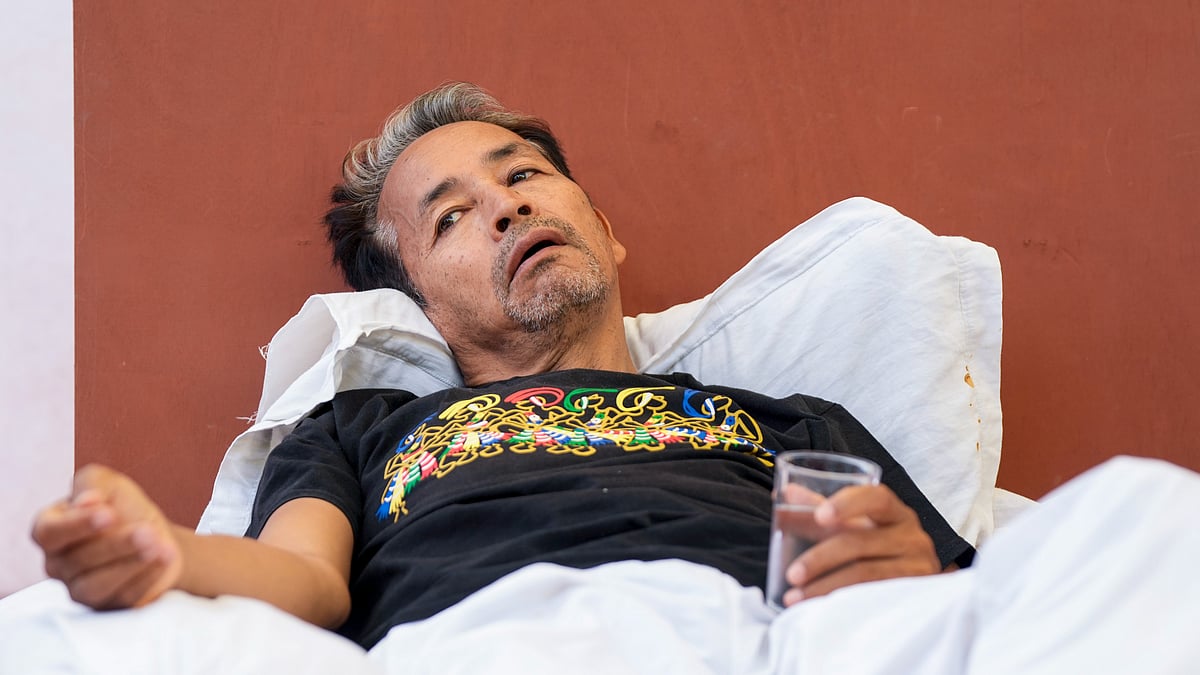
Wangchuk's hunger strike has been ongoing for nearly three weeks, sparking concerns about his health and well-being. The strike has been reported to be in protest against certain issues, although the exact nature of the protest has not been specified.
Pawan Khera, a prominent figure, has weighed in on the situation, advising against the use of hunger strikes as a means of protest. Khera's comments suggest that he believes there are more effective and less risky ways to achieve one's goals.
The use of hunger strikes as a form of protest is not uncommon in India, where it has been employed by various individuals and groups to draw attention to their causes. However, the method is not without its risks, and Khera's comments highlight the potential dangers of such actions.
Wangchuk's decision to go on a hunger strike has sparked a mix of reactions, with some expressing support for his cause and others criticizing his methods. As the strike enters its 20th day, concerns about Wangchuk's health are growing.
In recent years, India has seen several high-profile hunger strikes, including those by prominent social activists. These strikes have often been used to draw attention to issues such as corruption, social justice, and human rights.
The Indian government has also faced criticism for its handling of hunger strikes, with some accusing the authorities of being insensitive to the plight of protesters. However, the government has also taken steps to address the concerns of protesters and to find alternative solutions to the issues they are raising.
As Wangchuk's hunger strike continues, it remains to be seen how the situation will unfold. Khera's comments have added a new dimension to the debate, highlighting the need for protesters to consider the potential risks and consequences of their actions.
In conclusion, Pawan Khera's comments on Wangchuk's hunger strike have sparked a important discussion about the use of hunger strikes as a form of protest. While the method can be effective in drawing attention to a cause, it also carries significant risks, and protesters must carefully consider their actions and the potential consequences.
The situation will likely continue to evolve in the coming days, with Wangchuk's health and well-being remaining a major concern. As the strike enters its 20th day, it is clear that a resolution will be needed soon to prevent any further harm to Wangchuk or others involved.
The incident has also raised questions about the role of prominent figures like Pawan Khera in speaking out on social issues. While some have praised Khera for his comments, others have criticized him for not doing enough to support Wangchuk's cause.
Ultimately, the outcome of Wangchuk's hunger strike will depend on a variety of factors, including the response of the government and the public. As the situation continues to unfold, it is likely that there will be further developments and reactions from various stakeholders.
The use of hunger strikes as a form of protest is a complex issue, and one that requires careful consideration and nuance. While the method can be effective in certain circumstances, it also carries significant risks, and protesters must be aware of these risks and take steps to mitigate them.
As the debate surrounding Wangchuk's hunger strike continues, it is clear that there are no easy answers. However, by engaging in open and honest discussion, it may be possible to find alternative solutions that balance the need for protest with the need to protect the health and well-being of those involved.
In the end, the goal of any protest should be to bring about positive change, while also minimizing harm to all parties involved. As Wangchuk's hunger strike enters its 20th day, it is clear that this goal is still a long way off, and that further efforts will be needed to achieve a resolution that works for everyone.
What it means for India is that the country needs to find a balance between allowing people to protest and protecting their health and well-being. The government, civil society, and individuals all have a role to play in finding this balance and ensuring that protests are carried out in a safe and peaceful manner.