IIT Alumna Builds Sustainable House In Indore
A 5,000 sq ft house in Indore sets a precedent for sustainable living.

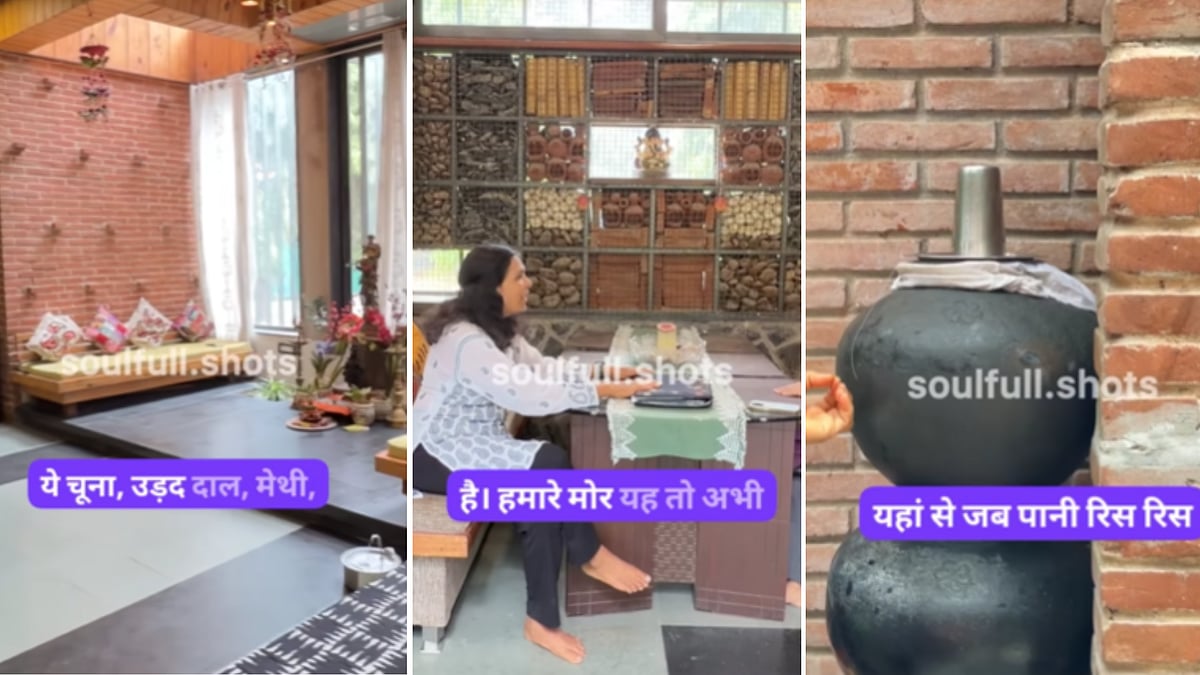
In Indore, Madhya Pradesh, a unique 5,000 sq ft house has been built with a focus on sustainability. The house belongs to Archana, an IIT alumna who returned to India after living in the US.
The house is surrounded by lush green trees and features 'breathing walls' that help exchange air, reducing the need for air conditioners and electricity. Archana described her home as an attempt to live amidst nature.
The construction of the house used a mixture of natural materials, including slaked lime, urad dal, methi, gond, gud, and bel, to hold the bricks together. Only a small amount of concrete was used, creating 'breathing walls' that allow for natural ventilation.
The house also features a unique three-pot water filter system, eliminating the need for RO water purifiers. A rainwater harvesting system stores around 90% of the rainwater received on the plot, which is used for drinking and cooking purposes.
The house is powered by a 5 kW solar panel system, reducing reliance on non-renewable energy sources. Archana has also adopted a minimalist approach to her lifestyle, having not shopped for clothes in the last 10 years and using only what she already owns.
The most striking feature of the house is the presence of peacocks and birds, which are free to visit and feel at home. The house has set a precedent for sustainable living in India, showcasing the possibility of living in harmony with nature.
Archana's decision to return to India and build a sustainable house is a testament to the growing interest in eco-friendly living. The use of natural materials, rainwater harvesting, and solar power has reduced the house's reliance on non-renewable energy sources and minimized its carbon footprint.
The house has also become a haven for local wildlife, with peacocks and birds visiting the property regularly. This unique feature has created a sense of community and connection with nature, highlighting the importance of preserving the natural world.
As India continues to urbanize and develop, the need for sustainable living solutions has become increasingly important. Archana's house in Indore serves as a model for eco-friendly living, demonstrating the possibility of creating a harmonious relationship between humans and the environment.
The house has also sparked interest in the local community, with many people visiting the property to learn about sustainable living practices. Archana's initiative has inspired others to adopt eco-friendly habits and reduce their reliance on non-renewable energy sources.
In conclusion, the sustainable house in Indore is a remarkable example of eco-friendly living, showcasing the possibility of creating a harmonious relationship between humans and the environment. As India continues to develop and urbanize, the need for sustainable living solutions has become increasingly important, and Archana's house serves as a model for others to follow.
The significance of this house extends beyond its unique features and sustainable practices. It represents a shift in mindset, a recognition of the importance of preserving the natural world and reducing our reliance on non-renewable energy sources. As we move forward, it is essential to adopt sustainable living practices and reduce our carbon footprint, ensuring a healthier and more sustainable future for generations to come.