Indian Volunteers Fix Global AI Wildlife Sound Issue
Global AI models struggle with Indian wildlife sounds, 59 volunteers create solution
'%3E%3Crect%20width%3D'96'%20height%3D'96'%20fill%3D'%23B3261E'%2F%3E%3Ccircle%20cx%3D'30'%20cy%3D'24'%20r%3D'44'%20fill%3D'%23fff'%20opacity%3D'.12'%2F%3E%3Ccircle%20cx%3D'60'%20cy%3D'74'%20r%3D'40'%20fill%3D'%23000'%20opacity%3D'.10'%2F%3E%3C%2Fg%3E%3Cg%20fill%3D'%23fff'%3E%3Crect%20x%3D'29'%20y%3D'49'%20width%3D'8'%20height%3D'19'%20rx%3D'1'%2F%3E%3Crect%20x%3D'39'%20y%3D'40'%20width%3D'9'%20height%3D'28'%20rx%3D'1'%2F%3E%3Crect%20x%3D'50'%20y%3D'45'%20width%3D'8'%20height%3D'23'%20rx%3D'1'%2F%3E%3Crect%20x%3D'60'%20y%3D'53'%20width%3D'7'%20height%3D'15'%20rx%3D'1'%2F%3E%3Crect%20x%3D'41'%20y%3D'34'%20width%3D'5'%20height%3D'6'%2F%3E%3C%2Fg%3E%3C%2Fsvg%3E)
A recent project has highlighted the limitations of global AI models in recognizing Indian wildlife sounds. Despite their ability to identify a wide range of sounds, these models often struggle with the unique vocalizations of Indian animals.
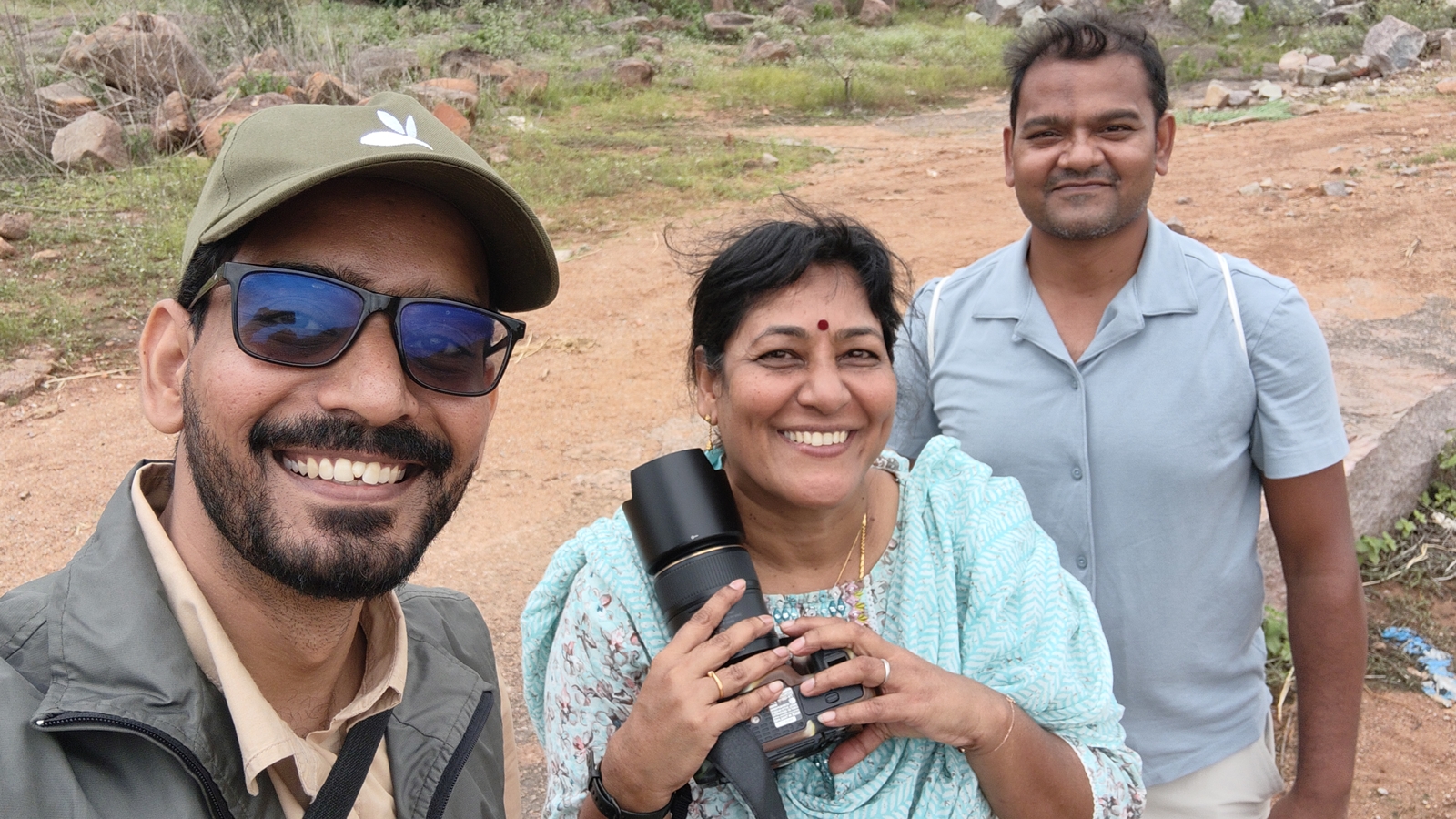
To address this issue, a group of 59 volunteers came together to create a solution. They worked tirelessly to build a dataset of Indian wildlife sounds, which could be used to improve the accuracy of global AI models.
The volunteers, who were passionate about conservation and technology, spent countless hours collecting and annotating recordings of various Indian animal species. Their efforts resulted in a comprehensive dataset that could be used to train and fine-tune AI models.
The project's success has significant implications for conservation efforts in India. By improving the ability of AI models to recognize Indian wildlife sounds, conservationists can better monitor and track animal populations. This can help identify potential threats and develop effective strategies for protecting endangered species.
The use of AI in conservation is a rapidly growing field, with many organizations and researchers exploring its potential applications. The project's findings highlight the importance of diversity and inclusivity in AI development, ensuring that models are trained on a wide range of data sources and can recognize unique sounds and patterns.
In the context of Indian conservation, the project's success is a major breakthrough. India is home to a vast array of wildlife, including many endangered species. The ability to accurately monitor and track these populations is crucial for developing effective conservation strategies.
The project's impact extends beyond conservation, highlighting the importance of community-driven initiatives in addressing real-world problems. The collaboration between volunteers and researchers demonstrates the potential for collective action to drive positive change.
In conclusion, the project's success in improving global AI models' recognition of Indian wildlife sounds is a significant achievement. It highlights the importance of diversity and inclusivity in AI development and demonstrates the potential for community-driven initiatives to drive positive change in conservation and beyond.
Frequently asked questions
Why do global AI models struggle with Indian wildlife sounds?
Global AI models struggle with Indian wildlife sounds because they are not trained on a diverse range of data sources, including unique Indian animal vocalizations.
How can improved AI recognition of Indian wildlife sounds help conservation efforts?
Improved AI recognition of Indian wildlife sounds can help conservationists better monitor and track animal populations, identify potential threats, and develop effective strategies for protecting endangered species.