Michigan Farmer Protects 131 Acres from Development
Michigan farmer John Boyer safeguards family land, prevents housing development
'%3E%3Crect%20width%3D'96'%20height%3D'96'%20fill%3D'%23B3261E'%2F%3E%3Ccircle%20cx%3D'30'%20cy%3D'24'%20r%3D'44'%20fill%3D'%23fff'%20opacity%3D'.12'%2F%3E%3Ccircle%20cx%3D'60'%20cy%3D'74'%20r%3D'40'%20fill%3D'%23000'%20opacity%3D'.10'%2F%3E%3C%2Fg%3E%3Cg%20fill%3D'%23fff'%3E%3Crect%20x%3D'29'%20y%3D'49'%20width%3D'8'%20height%3D'19'%20rx%3D'1'%2F%3E%3Crect%20x%3D'39'%20y%3D'40'%20width%3D'9'%20height%3D'28'%20rx%3D'1'%2F%3E%3Crect%20x%3D'50'%20y%3D'45'%20width%3D'8'%20height%3D'23'%20rx%3D'1'%2F%3E%3Crect%20x%3D'60'%20y%3D'53'%20width%3D'7'%20height%3D'15'%20rx%3D'1'%2F%3E%3Crect%20x%3D'41'%20y%3D'34'%20width%3D'5'%20height%3D'6'%2F%3E%3C%2Fg%3E%3C%2Fsvg%3E)
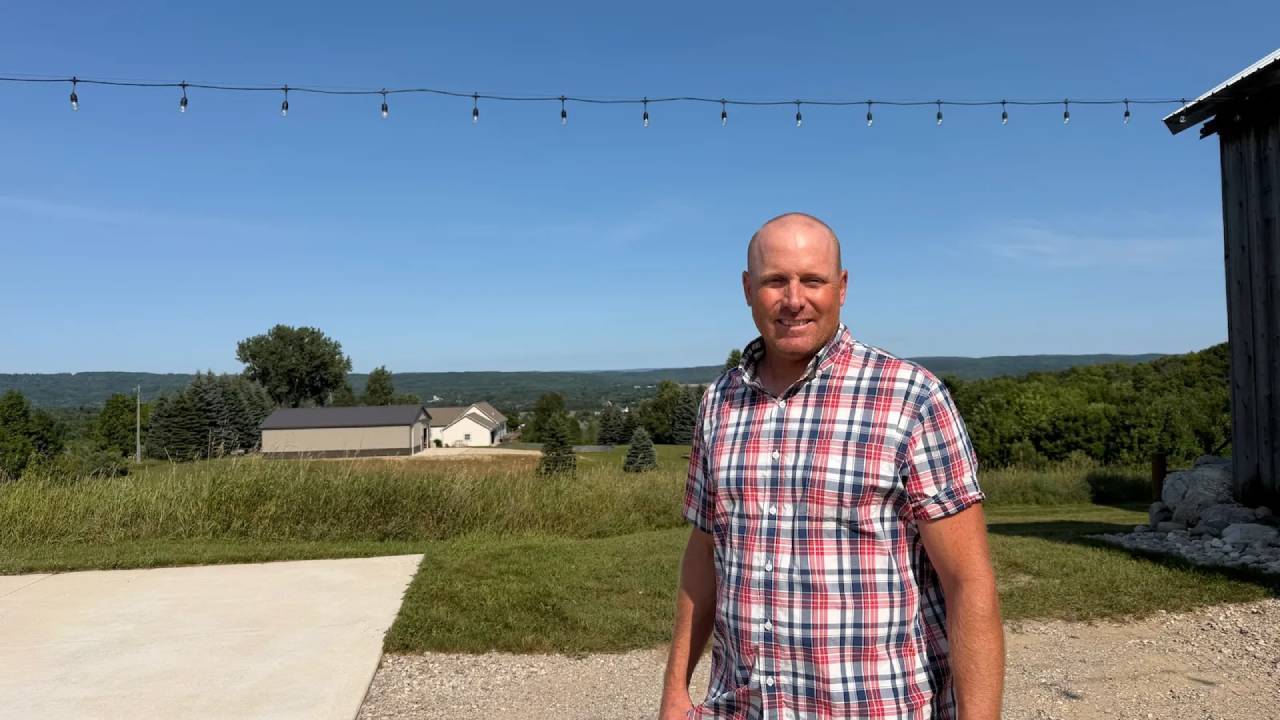
A Michigan farmer has taken a significant step to protect his family's 131 acres of land from future development. John Boyer, the farmer, bought back the land that had changed hands over the decades, ensuring its return to family ownership.
In a move to safeguard the land for generations to come, Boyer sold the development rights to the Little Traverse Conservancy in 2026. This was achieved through a conservation easement, a legal agreement that restricts the use of the land.
The conservation easement ensures that the 131 acres cannot be divided for housing or commercial development, thereby protecting the farmland. Boyer's decision is driven by his desire to preserve the land for future generations, allowing it to remain a working farm.
The Little Traverse Conservancy, a non-profit organization, works to protect the natural resources and scenic beauty of the region. By acquiring the development rights to the Boyer farm, the conservancy has helped to ensure the long-term protection of the land.
The use of conservation easements has become increasingly popular as a means of protecting agricultural land and open spaces from development. This approach allows landowners to retain ownership of their property while also ensuring its protection for future generations.
Boyer's decision to protect his family's land is a testament to the importance of preserving agricultural heritage and natural resources. The move also highlights the role that conservation organizations can play in helping landowners to achieve their goals.
The protection of the Boyer farm is significant, not only for the family but also for the local community. The preservation of agricultural land helps to maintain the rural character of the area and supports the local economy.
In conclusion, John Boyer's decision to protect his family's 131 acres of land is a significant step towards preserving the region's agricultural heritage and natural beauty. The use of conservation easements offers a powerful tool for landowners seeking to safeguard their property for future generations.
Frequently asked questions
What is a conservation easement?
A conservation easement is a legal agreement that restricts the use of land, typically to prevent development or protect natural resources.
Why did John Boyer sell development rights to the Little Traverse Conservancy?
John Boyer sold the development rights to protect his family's 131 acres of land from future housing or commercial development, ensuring it remains a working farm.