Ayatollah Ali Khamenei Laid To Rest After Assassination
Iran's Supreme Leader buried, US-Iran conflict escalates. Airstrikes target Iran, US-allied countries respond.

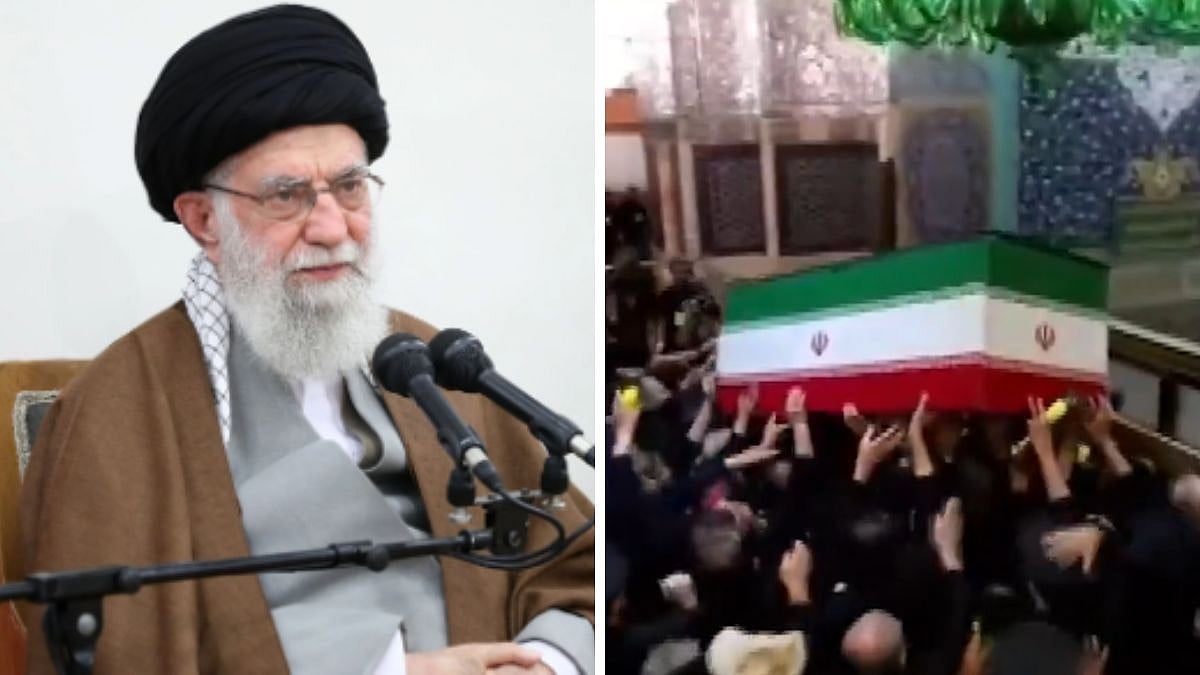
Iran's Supreme Leader Ayatollah Ali Khamenei was laid to rest in his hometown of Mashhad on Friday, months after being killed in US and Israeli airstrikes that started the Iran war on February 28.
Khamenei ruled Iran for nearly 37 years before his death, leaving behind a legacy of confrontation with the West. The funeral processions began on Saturday, with authorities shutting down streets, airspace, and daily life in Tehran and other cities as people commemorated the man who led Iran with an iron fist.
The burial of Khamenei in Mashhad is significant, as he is only the second ruler of the nation to be buried in the city. The first was Nader Shah, who was assassinated in 1747 after nearly 11 years in power.
The US launched new airstrikes against Iran on Thursday, targeting the area around Iran's sole nuclear power plant, among other locations. This move was met with retaliation from Tehran, which targeted US-allied Mideast countries, including Kuwait, Qatar, and Bahrain.
The exchange of fire has threatened an interim deal intended to help end the war in the Middle East. The conflict has raised concerns that the region could tip back into a war that would engulf several countries and could halt energy shipments through the Strait of Hormuz, which are crucial for the global economy.
US President Donald Trump stated that recent Iranian attacks on ships in the Strait of Hormuz signalled the end of a fragile ceasefire and threatened to escalate the conflict if they didn't stop. The two days of American airstrikes have killed at least 14 people and wounded another 78 in Iran, according to the country's Health Ministry.
In response to the Iranian attacks, US-allied countries have taken defensive measures. Kuwait shot down three ballistic missiles, a cruise missile, and 10 drones, while Bahrain and Jordan intercepted incoming fire.
The escalation of the US-Iran conflict has significant implications for the global economy and regional stability. The situation remains volatile, with both sides engaging in a back-and-forth exchange of fire.
The death of Ayatollah Ali Khamenei and the subsequent escalation of the conflict have raised questions about the future of Iran and the region. The international community is watching the situation closely, hoping for a peaceful resolution to the conflict.
In the meantime, the people of Iran continue to mourn the loss of their Supreme Leader, while the US and its allies remain vigilant in the face of ongoing threats from Tehran. The situation remains complex and sensitive, with far-reaching consequences for the Middle East and beyond.
The conflict has also sparked a debate about the use of military force and the effectiveness of diplomatic efforts in resolving the crisis. As the situation continues to unfold, it is clear that a peaceful resolution will require careful consideration and cooperation from all parties involved.
The burial of Ayatollah Ali Khamenei marks the end of an era in Iran, but the country's future remains uncertain. The international community will be watching closely as the situation develops, hoping for a peaceful and stable outcome.
The significance of Khamenei's death and the escalation of the US-Iran conflict cannot be overstated. The region is at a critical juncture, and the actions of the US, Iran, and their allies will have far-reaching consequences for the global economy, regional stability, and the future of the Middle East.