Robots Perform Live Surgery
Humanoid robots make medical history, conduct surgery for the first time. A groundbreaking achievement in the field of medicine.

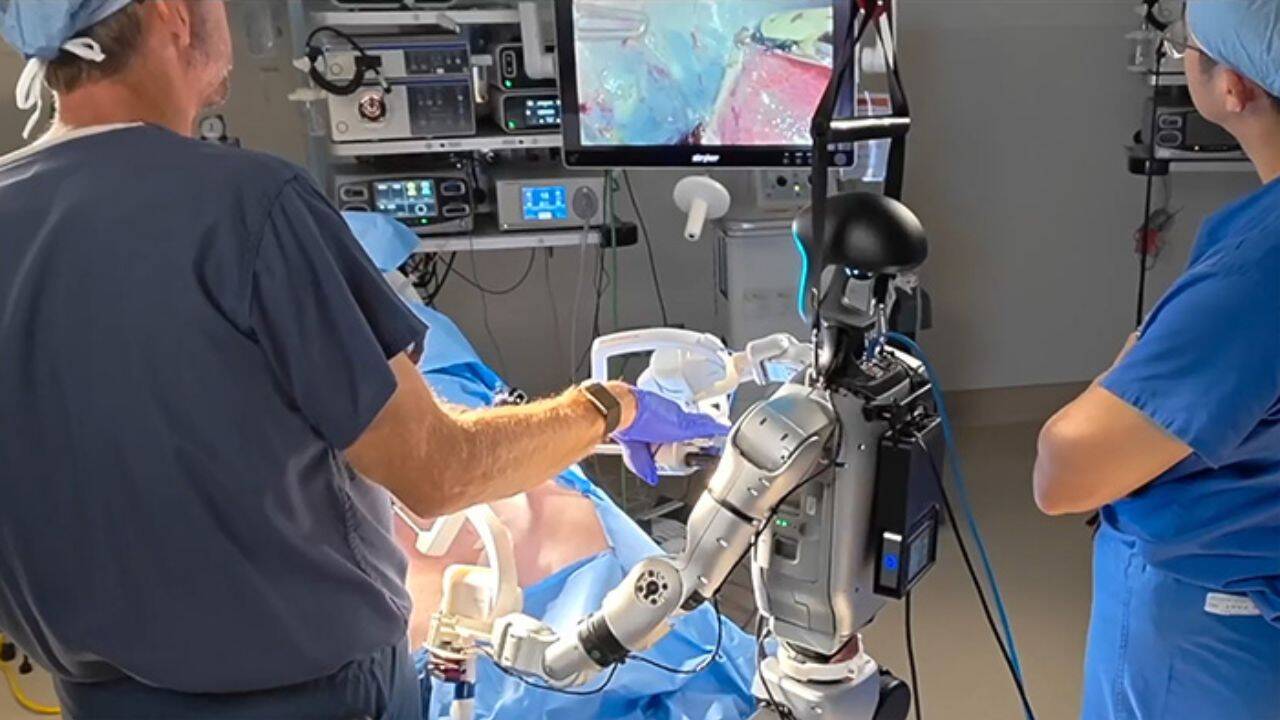
In a remarkable medical breakthrough, humanoid robots have successfully performed live surgery for the first time. This innovative achievement marks a significant milestone in the field of medicine, paving the way for potential advancements in surgical procedures.
The use of humanoid robots in live surgery is a testament to the rapid progress being made in the field of robotics and artificial intelligence. These robots are designed to mimic human-like movements and precision, allowing them to perform complex surgical tasks with ease.
The successful completion of live surgery by humanoid robots is the result of extensive research and development in the field of robotic surgery. This breakthrough has the potential to revolutionize the way surgical procedures are performed, enabling doctors to conduct operations with greater precision and accuracy.
The integration of humanoid robots in the medical field is expected to have a significant impact on the way healthcare services are delivered. With the ability to perform complex surgical tasks, these robots can help reduce the risk of human error and improve patient outcomes.
The development of humanoid robots for surgical purposes is a multidisciplinary effort, involving collaboration between robotics engineers, artificial intelligence experts, and medical professionals. This collaborative approach has enabled the creation of sophisticated robotic systems that can mimic human-like movements and precision.
As the field of robotic surgery continues to evolve, we can expect to see further advancements in the use of humanoid robots in medical procedures. This breakthrough has the potential to transform the way healthcare services are delivered, enabling doctors to provide more effective and efficient care to patients.
The successful performance of live surgery by humanoid robots is a significant achievement that highlights the potential of robotics and artificial intelligence in the medical field. As this technology continues to advance, we can expect to see significant improvements in patient outcomes and the overall quality of healthcare services.
In conclusion, the use of humanoid robots in live surgery marks a major milestone in the field of medicine, highlighting the potential of robotics and artificial intelligence to transform the way healthcare services are delivered. This breakthrough has the potential to improve patient outcomes, reduce the risk of human error, and enable doctors to conduct operations with greater precision and accuracy.