Strait of Hormuz May Charge Transit Fees
Global supply chains depend on key waterways. Fees may be imposed.

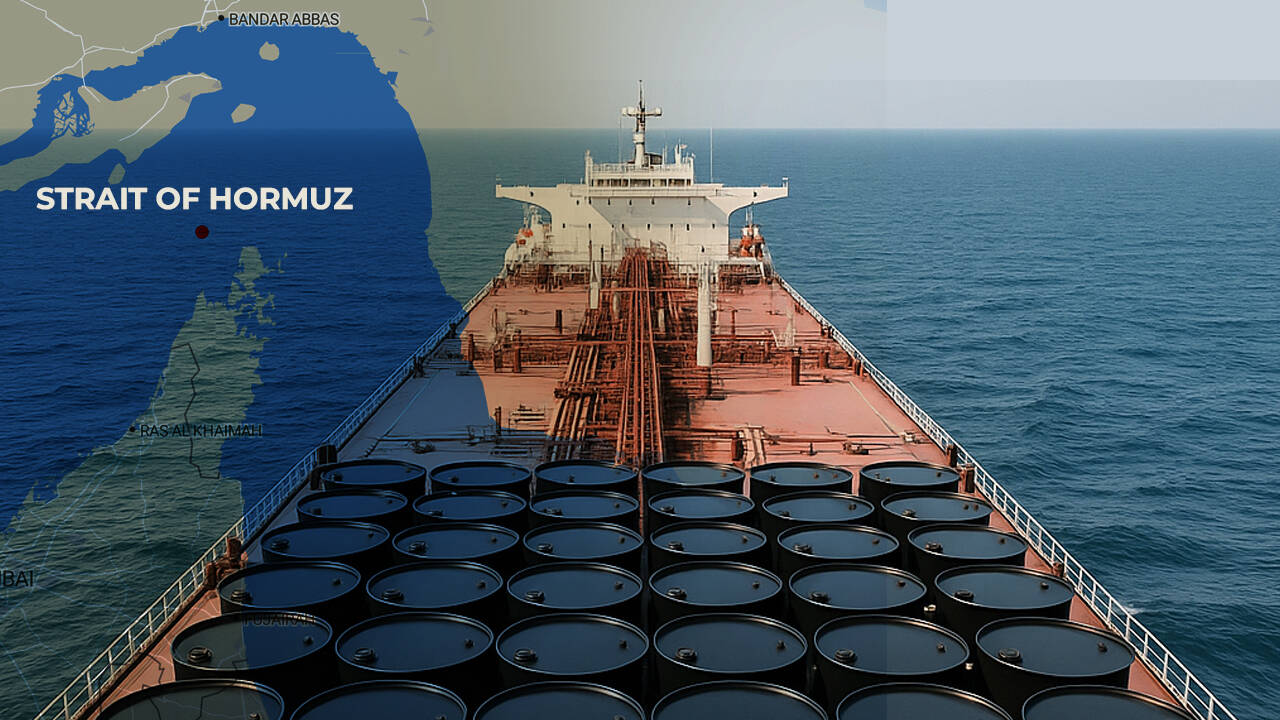
A recent proposal to impose transit charges in the Strait of Hormuz has highlighted the world's reliance on a few critical waterways. The Strait of Hormuz, located between Iran and Oman, is a vital passage for international shipping, with a significant portion of global oil supplies passing through it.
The idea of charging ships to transit the Strait of Hormuz is not new, but it has gained renewed attention in recent times. This move could have significant implications for global trade and the shipping industry.
Several major waterways around the world already charge ships to transit, including the Suez Canal in Egypt and the Panama Canal in Central America. These fees can be substantial, with the Suez Canal Authority charging ships based on their type, size, and cargo.
The Suez Canal, which connects the Mediterranean Sea to the Red Sea, is one of the busiest shipping lanes in the world. In 2020, over 17,000 vessels passed through the canal, including tankers, container ships, and bulk cargo carriers. The Panama Canal, which links the Atlantic Ocean to the Pacific Ocean, is another critical waterway that charges transit fees.
The proposal to impose transit charges in the Strait of Hormuz has raised concerns among shipping companies and global trade experts. They argue that such fees could increase the cost of shipping and potentially disrupt global supply chains.
The Strait of Hormuz is a narrow waterway that connects the Persian Gulf to the Gulf of Oman and the Arabian Sea. It is a critical passage for oil tankers and other ships traveling between Europe and Asia.
In recent years, the Strait of Hormuz has been the focus of geopolitical tensions, with several incidents involving ships being seized or attacked. The imposition of transit charges could further escalate these tensions and have significant implications for global trade.
As the world's reliance on these critical waterways continues to grow, the proposal to impose transit charges in the Strait of Hormuz serves as a reminder of the importance of these shipping lanes to global commerce.
The potential impact of such fees on global trade and the shipping industry will depend on various factors, including the level of the fees and how they are implemented. However, one thing is clear: the world's dependence on a few critical waterways makes them vulnerable to disruptions and tensions.
In conclusion, the proposal to impose transit charges in the Strait of Hormuz has highlighted the critical role that these waterways play in global trade. As the world continues to rely on these shipping lanes, it is essential to consider the potential implications of such fees and work towards ensuring the free and safe passage of ships through these critical waterways.