Prince William Doubles England Rainforest
Prince William's Duchy helps expand a rare English rainforest, boosting biodiversity and conservation efforts.
'%3E%3Crect%20width%3D'96'%20height%3D'96'%20fill%3D'%23B3261E'%2F%3E%3Ccircle%20cx%3D'30'%20cy%3D'24'%20r%3D'44'%20fill%3D'%23fff'%20opacity%3D'.12'%2F%3E%3Ccircle%20cx%3D'60'%20cy%3D'74'%20r%3D'40'%20fill%3D'%23000'%20opacity%3D'.10'%2F%3E%3C%2Fg%3E%3Cg%20fill%3D'%23fff'%3E%3Crect%20x%3D'29'%20y%3D'49'%20width%3D'8'%20height%3D'19'%20rx%3D'1'%2F%3E%3Crect%20x%3D'39'%20y%3D'40'%20width%3D'9'%20height%3D'28'%20rx%3D'1'%2F%3E%3Crect%20x%3D'50'%20y%3D'45'%20width%3D'8'%20height%3D'23'%20rx%3D'1'%2F%3E%3Crect%20x%3D'60'%20y%3D'53'%20width%3D'7'%20height%3D'15'%20rx%3D'1'%2F%3E%3Crect%20x%3D'41'%20y%3D'34'%20width%3D'5'%20height%3D'6'%2F%3E%3C%2Fg%3E%3C%2Fsvg%3E)
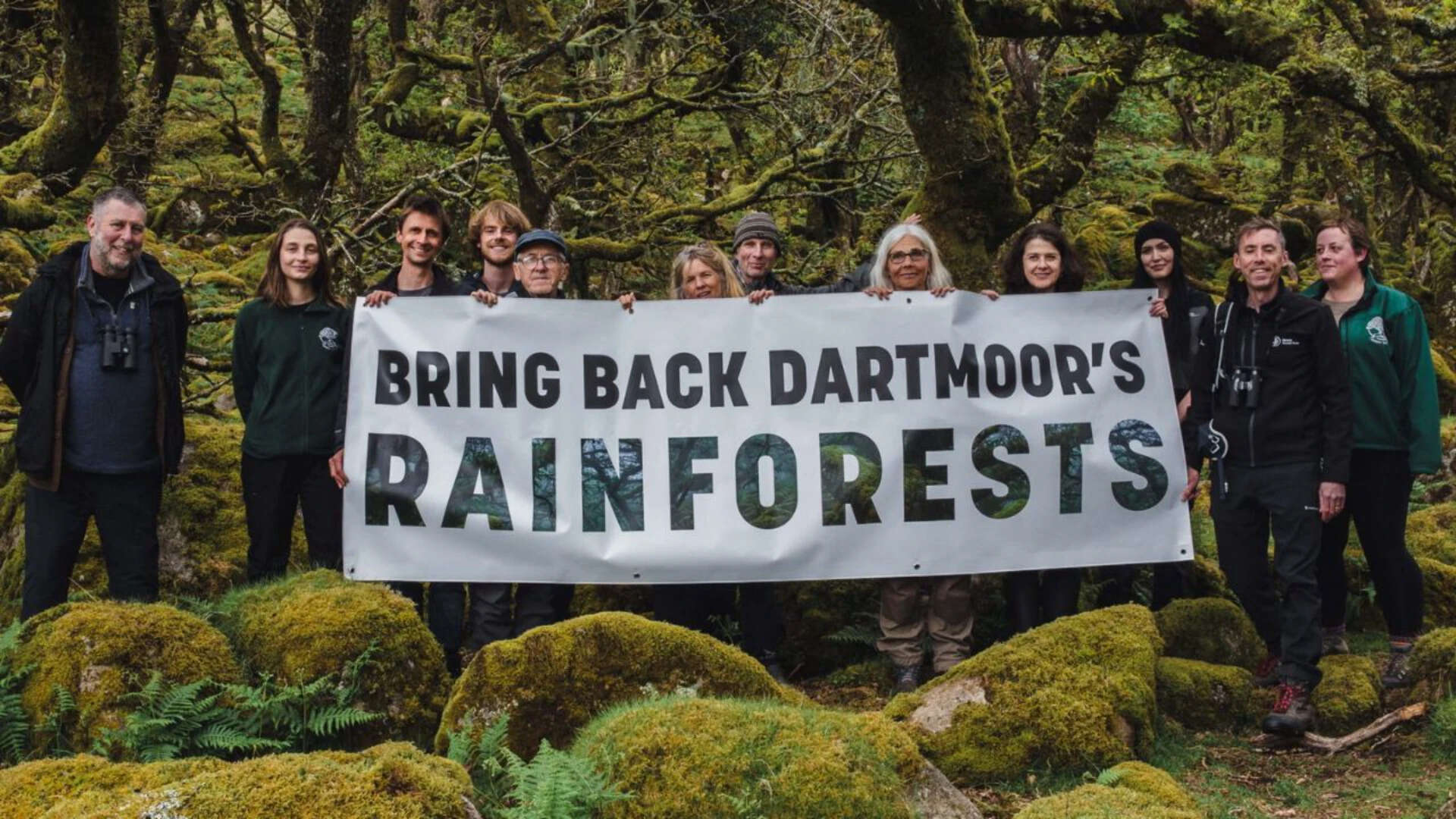
Prince William's Duchy of Cornwall has played a significant role in doubling the size of one of England's last remaining rainforests. The rainforest, located in England, is a rare and unique ecosystem that supports a wide range of plant and animal species.
The expansion of the rainforest is a major conservation success story, with the Duchy of Cornwall working in partnership with other organizations to protect and restore the habitat. The project has involved the planting of thousands of trees and the restoration of wetland areas, helping to boost biodiversity and support local wildlife.
The Duchy of Cornwall, a private estate that funds the public, charitable, and private activities of the Prince of Wales and his family, has a long history of supporting conservation and environmental projects. The organization has been involved in a range of initiatives, from protecting historic buildings to supporting rural communities.
The expansion of the rainforest is a significant achievement, not just for the local ecosystem but also for the wider environment. Rainforests play a critical role in regulating the climate, producing oxygen, and supporting a wide range of plant and animal species. The loss of rainforests is a major concern, with many of these ecosystems being destroyed or degraded due to human activities such as deforestation and land conversion.
The project to double the size of the rainforest has been several years in the making, with the Duchy of Cornwall working closely with other organizations to secure funding and support. The expansion of the rainforest is a testament to the power of partnership and collaboration in achieving conservation goals.
The rainforest is not only an important habitat for local wildlife but also a popular destination for tourists and nature lovers. The expansion of the rainforest is expected to support the local economy, with visitors drawn to the area to experience the unique and diverse ecosystem.
In addition to the environmental benefits, the expansion of the rainforest also has social and economic benefits. The project has created jobs and supported local businesses, helping to boost the local economy. The rainforest is also an important educational resource, with many schools and universities using the site for research and teaching purposes.
The success of the project is a major achievement for Prince William and the Duchy of Cornwall, highlighting the importance of conservation and environmental protection. The expansion of the rainforest is a significant step forward in protecting and preserving England's natural heritage, and it is hoped that the project will serve as a model for other conservation initiatives.
The project's success is also a testament to the enduring legacy of the Duchy of Cornwall, which has been supporting conservation and environmental projects for many years. The organization's commitment to protecting and preserving the natural environment is a key part of its mission, and the expansion of the rainforest is a major achievement in this regard.
In conclusion, the doubling of one of England's last rainforests is a significant conservation success story, with the Duchy of Cornwall playing a major role in the project. The expansion of the rainforest is a major achievement, not just for the local ecosystem but also for the wider environment, and it is hoped that the project will serve as a model for other conservation initiatives.
Frequently asked questions
What is the Duchy of Cornwall and what is its role in conservation?
The Duchy of Cornwall is a private estate that funds the public, charitable, and private activities of the Prince of Wales and his family. It has a long history of supporting conservation and environmental projects.
Why is the expansion of the rainforest important for the environment?
The expansion of the rainforest is important for the environment because it helps to boost biodiversity, support local wildlife, and regulate the climate.