India To Continue Buying Russian Oil Despite US Sanctions
India unlikely to reduce Russian crude imports, US sanctions bill may not impact near-term outlook
'%3E%3Crect%20width%3D'96'%20height%3D'96'%20fill%3D'%234A235A'%2F%3E%3Ccircle%20cx%3D'30'%20cy%3D'24'%20r%3D'44'%20fill%3D'%23fff'%20opacity%3D'.12'%2F%3E%3Ccircle%20cx%3D'60'%20cy%3D'74'%20r%3D'40'%20fill%3D'%23000'%20opacity%3D'.10'%2F%3E%3C%2Fg%3E%3Cg%20fill%3D'none'%20stroke%3D'%23fff'%20stroke-width%3D'3'%3E%3Ccircle%20cx%3D'48'%20cy%3D'48'%20r%3D'16'%2F%3E%3Cellipse%20cx%3D'48'%20cy%3D'48'%20rx%3D'6.5'%20ry%3D'16'%2F%3E%3Cline%20x1%3D'32'%20y1%3D'42'%20x2%3D'64'%20y2%3D'42'%2F%3E%3Cline%20x1%3D'32'%20y1%3D'54'%20x2%3D'64'%20y2%3D'54'%2F%3E%3C%2Fg%3E%3C%2Fsvg%3E)
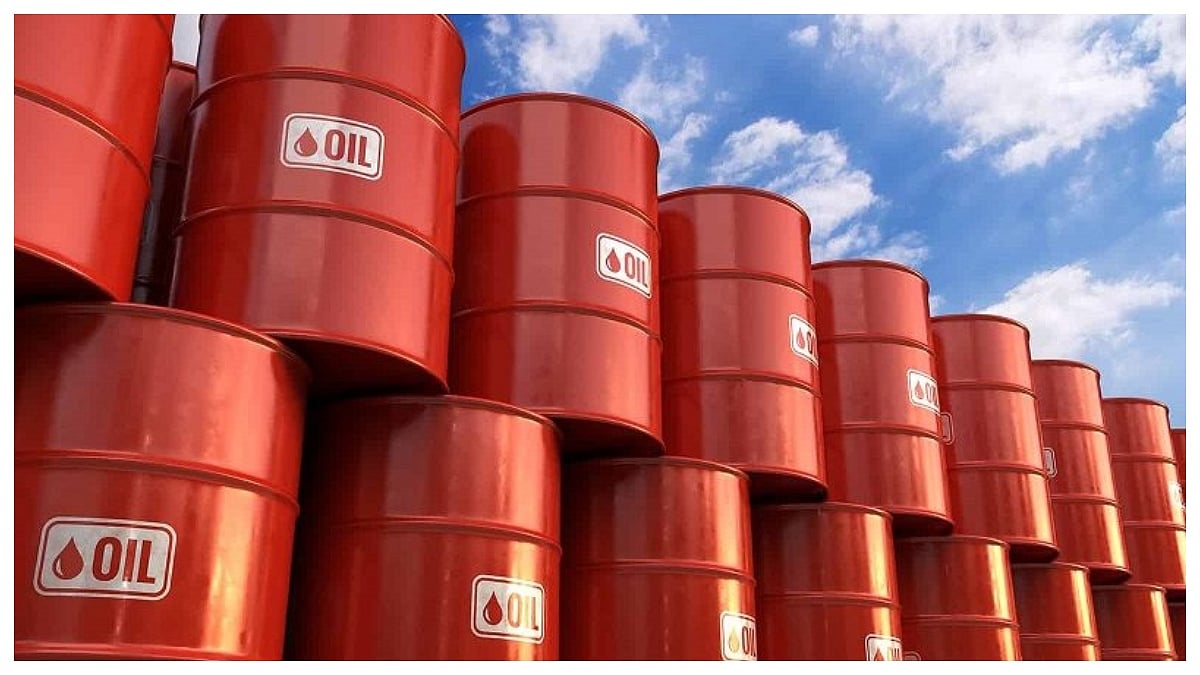
India is unlikely to reduce its Russian crude oil purchases in the immediate future despite the US Senate passing a sanctions bill targeting countries that continue importing Russian energy. The US Senate approved the Lindsey O. Graham Sanctioning Russia and Iran Act of 2026 on August 7, which has raised concerns over possible disruptions to Russian oil flows.
However, analysts believe the impact on India's crude imports will depend on further legislative steps and how strictly the US administration implements the measures. According to Sumit Ritolia, modelling and refining manager at commodity market analytics firm Kpler, the Senate vote has increased uncertainty around Russian oil supplies but does not alter the near-term outlook for Indian and Chinese purchases.
The proposed measures still require additional legislative and administrative approvals, while exemptions and waivers could influence their final impact. Policymakers may remain cautious about steps that could affect global crude availability, especially during periods of supply concerns. The bill, which initially proposed tariffs of up to 500% on countries importing Russian oil, has been revised to include a secondary tariff mechanism of up to 100%.
The bill will now move to the US House of Representatives before being sent to President Donald Trump for approval. The House is expected to consider the Senate version after reconvening on August 31. India relies heavily on Russian oil amid global supply risks, with Russian crude accounting for nearly half of the country's total crude imports.
Data from Kpler showed Russian crude shipments to India reached about 2.7 million barrels per day during June and July, accounting for more than 50% of the country's total crude imports. Analysts said Russian supplies have provided India with flexibility during periods of geopolitical uncertainty, particularly amid tensions in West Asia.
India imports around 88% of its crude oil requirements, and Russian crude has become an important part of the country's energy strategy. The country's reliance on Russian oil is likely to continue, despite the US sanctions bill, as it helps refiners manage risks from disruptions in traditional Middle Eastern supply routes.
The US sanctions bill has sparked concerns among some lawmakers, with Republican Senator Rand Paul warning that a 100% tariff on India would push it towards Russia and China. However, it remains to be seen how the bill will be implemented and what impact it will have on India's crude imports.
In the meantime, India is likely to continue buying Russian oil, as it remains a key supply source for the country. The US sanctions bill may not have a significant impact on India's near-term outlook for crude imports, but it could lead to increased uncertainty and volatility in the global energy market.
The situation highlights the complex geopolitical dynamics at play in the global energy market, with countries like India seeking to balance their energy needs with the need to navigate complex international relationships. As the US sanctions bill moves forward, it will be important to watch how India and other countries respond to the changing landscape.
In conclusion, India's decision to continue buying Russian oil despite the US sanctions bill reflects the country's efforts to manage its energy risks and maintain its economic growth. The situation underscores the importance of diversifying energy sources and navigating complex international relationships in the pursuit of energy security.
Frequently asked questions
Will the US sanctions bill affect India's crude imports?
The impact of the bill on India's crude imports will depend on further legislative steps and how strictly the US administration implements the measures.
How much of India's crude oil comes from Russia?
Russian crude accounts for nearly half of India's total crude imports, with data showing 2.7 million barrels per day being shipped to India during June and July.