Thane Ring Metro Faces Criticism Over Late Public Consultation
Netas slam Thane Ring Metro, seek review. Public consultation delayed.
'%3E%3Crect%20width%3D'96'%20height%3D'96'%20fill%3D'%23B3261E'%2F%3E%3Ccircle%20cx%3D'30'%20cy%3D'24'%20r%3D'44'%20fill%3D'%23fff'%20opacity%3D'.12'%2F%3E%3Ccircle%20cx%3D'60'%20cy%3D'74'%20r%3D'40'%20fill%3D'%23000'%20opacity%3D'.10'%2F%3E%3C%2Fg%3E%3Cg%20fill%3D'%23fff'%3E%3Crect%20x%3D'29'%20y%3D'49'%20width%3D'8'%20height%3D'19'%20rx%3D'1'%2F%3E%3Crect%20x%3D'39'%20y%3D'40'%20width%3D'9'%20height%3D'28'%20rx%3D'1'%2F%3E%3Crect%20x%3D'50'%20y%3D'45'%20width%3D'8'%20height%3D'23'%20rx%3D'1'%2F%3E%3Crect%20x%3D'60'%20y%3D'53'%20width%3D'7'%20height%3D'15'%20rx%3D'1'%2F%3E%3Crect%20x%3D'41'%20y%3D'34'%20width%3D'5'%20height%3D'6'%2F%3E%3C%2Fg%3E%3C%2Fsvg%3E)
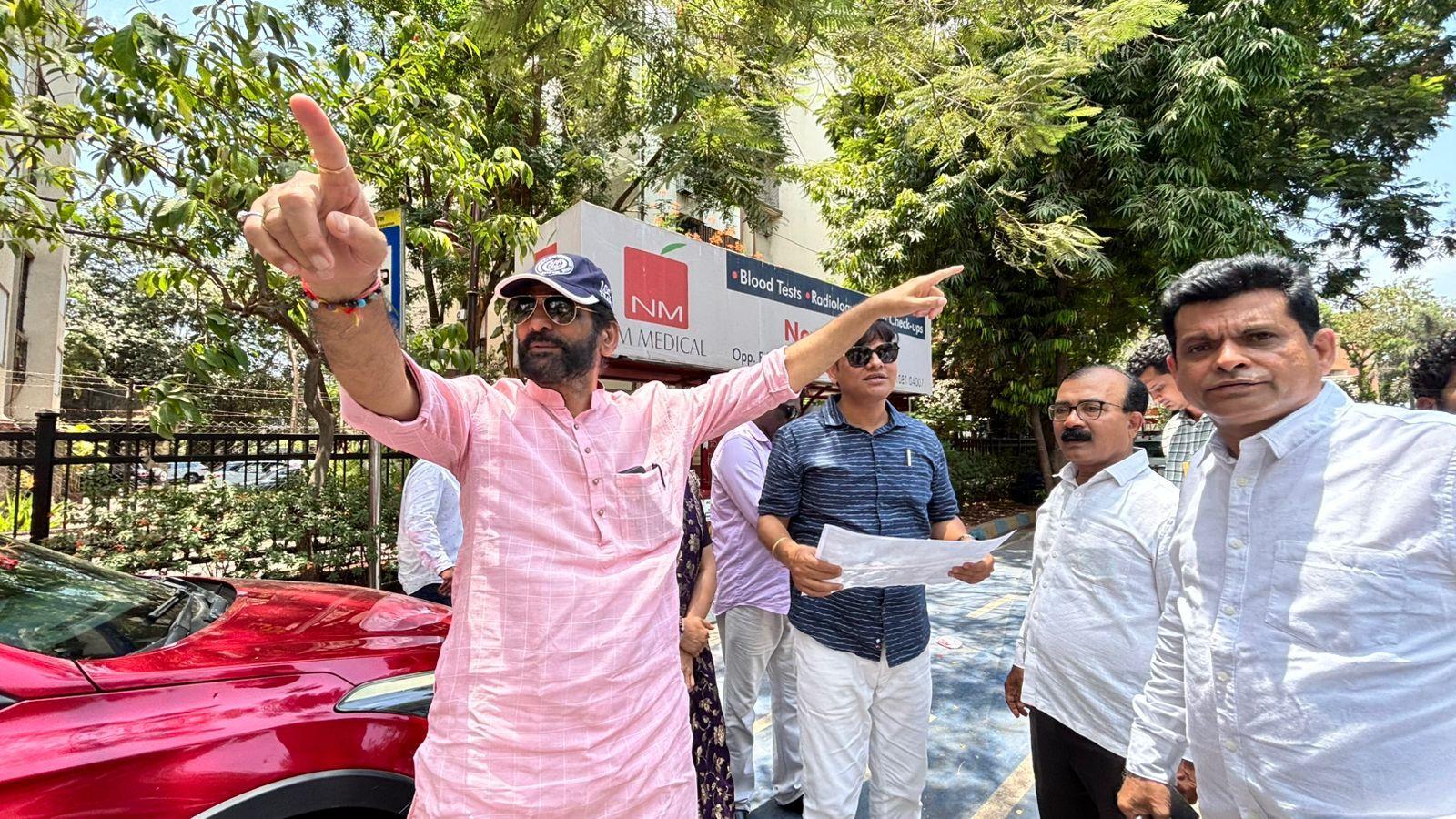
The Thane Ring Metro project has come under fire from local politicians who are criticizing the authorities for conducting public consultations late in the process. The project, which aims to improve connectivity in the Thane region, has been in the works for several years. However, the public consultation process, which is a crucial step in the project's development, was only recently initiated.
According to the politicians, the late public consultation is a clear indication of the authorities' lack of transparency and accountability. They argue that the consultation process should have been conducted at the outset of the project, allowing the public to provide input and feedback on the proposed plans. Instead, the authorities have been accused of pushing forward with the project without adequately considering the concerns and needs of the local community.
The Thane Ring Metro project is a significant infrastructure development initiative that aims to provide a reliable and efficient public transportation system for the residents of Thane and surrounding areas. The project involves the construction of a metro rail system that will connect key locations in the region, including residential areas, commercial centers, and transportation hubs.
The local politicians have demanded a review of the project, citing the need for greater transparency and public participation in the decision-making process. They argue that the project's success depends on its ability to meet the needs and expectations of the local community, and that this can only be achieved through a more inclusive and consultative approach.
The Thane Ring Metro project is not the first infrastructure development initiative to face criticism over public consultation. In recent years, several high-profile projects in the Mumbai Metropolitan Region have been accused of ignoring the concerns and needs of local communities. This has led to widespread protests and opposition, highlighting the need for greater transparency and accountability in the planning and development of infrastructure projects.
The controversy surrounding the Thane Ring Metro project highlights the importance of public consultation and participation in the planning and development of infrastructure projects. It also underscores the need for authorities to prioritize transparency and accountability, ensuring that the needs and concerns of local communities are taken into account.
In the coming weeks and months, the Thane Ring Metro project is likely to face increased scrutiny and opposition from local politicians and community groups. As the project moves forward, it will be important for the authorities to engage with the public and address their concerns, in order to build trust and ensure the project's success.
The success of the Thane Ring Metro project will have significant implications for the residents of Thane and surrounding areas. A well-planned and well-executed project could provide a major boost to the local economy, improve connectivity, and enhance the overall quality of life for residents. However, if the project is poorly planned or executed, it could lead to significant disruptions and negative impacts on the community.
In conclusion, the Thane Ring Metro project is a critical infrastructure development initiative that requires careful planning, transparency, and public participation. The authorities must prioritize the needs and concerns of the local community, and ensure that the project is developed in a way that is inclusive, sustainable, and beneficial to all stakeholders.
Frequently asked questions
What is the Thane Ring Metro project?
The Thane Ring Metro project is a infrastructure development initiative aimed at improving connectivity in the Thane region.
Why are netas criticizing the Thane Ring Metro authorities?
Netas are criticizing the authorities for conducting public consultations late in the process, citing lack of transparency and accountability.