Australian Island Declared Fire-Ant Free
Melville Island eradicates fire ants after 20 years. Indigenous rangers lead conservation effort.
'%3E%3Crect%20width%3D'96'%20height%3D'96'%20fill%3D'%231B5E20'%2F%3E%3Ccircle%20cx%3D'30'%20cy%3D'24'%20r%3D'44'%20fill%3D'%23fff'%20opacity%3D'.12'%2F%3E%3Ccircle%20cx%3D'60'%20cy%3D'74'%20r%3D'40'%20fill%3D'%23000'%20opacity%3D'.10'%2F%3E%3C%2Fg%3E%3Cg%3E%3Ccircle%20cx%3D'48'%20cy%3D'48'%20r%3D'15'%20fill%3D'%23fff'%2F%3E%3Cpath%20d%3D'M43%2034%20Q50%2048%2043%2062'%20fill%3D'none'%20stroke%3D'%238a94a6'%20stroke-width%3D'2.4'%2F%3E%3Cpath%20d%3D'M47%2033%20Q54%2048%2047%2063'%20fill%3D'none'%20stroke%3D'%238a94a6'%20stroke-width%3D'1.8'%20stroke-dasharray%3D'1.5%203'%2F%3E%3C%2Fg%3E%3C%2Fsvg%3E)
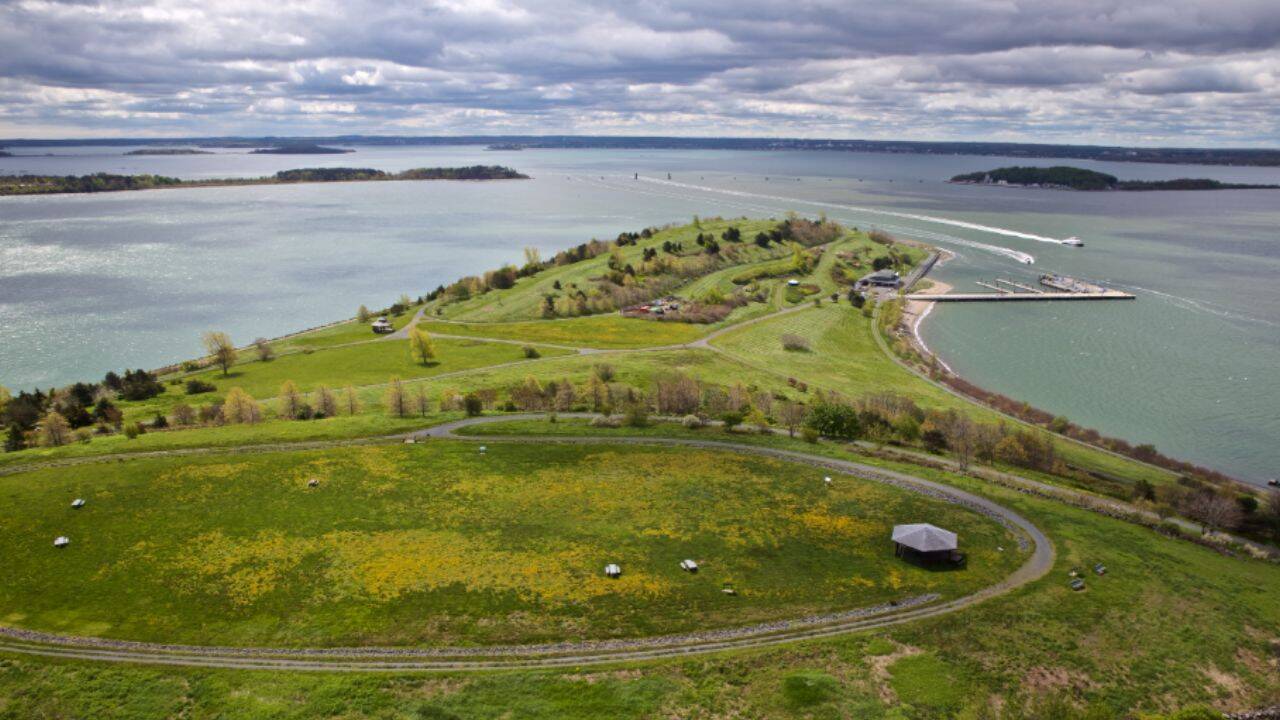
Melville Island, located off the coast of Australia's Tiwi Islands, has been declared fire-ant free after a 20-year eradication effort. The achievement is a significant conservation milestone, made possible by the dedicated work of indigenous rangers who have been working tirelessly to locate and eliminate the invasive species.
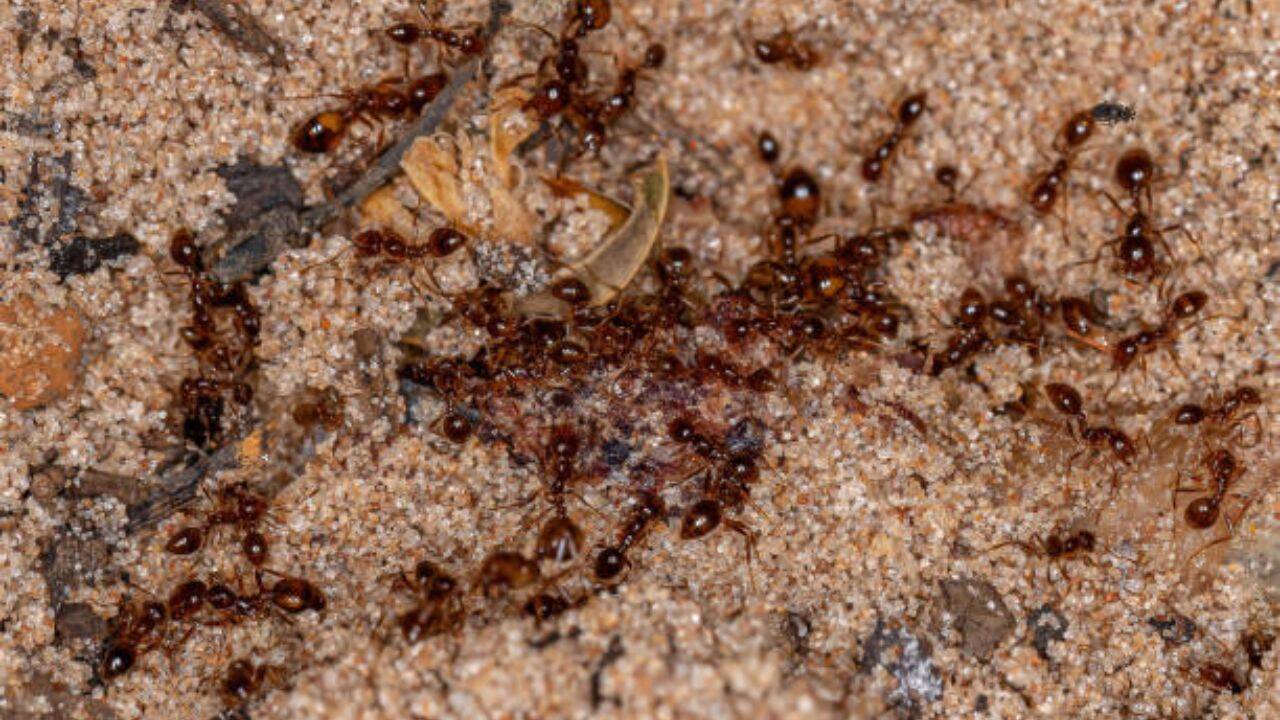
The indigenous rangers employed meticulous strategies to identify fire ant nests and applied targeted poisons to eradicate the colonies. This approach has not only protected the island's ecosystem but also safeguarded at-risk wildlife that was threatened by the invasive species.
The success of the fire ant eradication program on Melville Island highlights the importance of indigenous-led land management and collaborative approaches to preserving natural habitats. The program demonstrates that with careful planning, dedication, and community involvement, it is possible to protect and restore vulnerable ecosystems.
The Tiwi Islands, where Melville Island is located, are known for their unique and diverse wildlife. The islands are home to a range of endemic species that are found nowhere else in the world. The eradication of fire ants from Melville Island is a significant step towards preserving the islands' biodiversity and protecting the native species that call the islands home.
The conservation effort on Melville Island is a testament to the power of community-led initiatives and the importance of involving indigenous people in land management decisions. The indigenous rangers who worked on the fire ant eradication program brought a deep understanding of the island's ecosystem and a strong connection to the land, which was essential to the program's success.
The achievement on Melville Island also underscores the need for continued conservation efforts to protect vulnerable ecosystems around the world. Invasive species like fire ants can have devastating impacts on native wildlife and ecosystems, and it is essential that we take a proactive approach to preventing their spread and eradicating them when they are found.
In conclusion, the declaration of Melville Island as fire-ant free is a significant conservation milestone that highlights the importance of indigenous-led land management and collaborative approaches to preserving natural habitats. The success of the fire ant eradication program on the island is a testament to the power of community-led initiatives and the importance of involving indigenous people in land management decisions.
The conservation effort on Melville Island serves as a model for other conservation initiatives around the world. It demonstrates that with careful planning, dedication, and community involvement, it is possible to protect and restore vulnerable ecosystems. The achievement on Melville Island is a reminder that conservation is a collective effort that requires the involvement of local communities, indigenous people, and conservation organizations working together to protect the natural world.
Frequently asked questions
What is the significance of the fire ant eradication on Melville Island?
The eradication of fire ants from Melville Island is a significant conservation milestone that highlights the importance of indigenous-led land management and collaborative approaches to preserving natural habitats.
How did the indigenous rangers eradicate the fire ants?
The indigenous rangers employed meticulous strategies to identify fire ant nests and applied targeted poisons to eradicate the colonies.