Ospreys Return to Southern England After 175 Years
Ospreys breed in England again, Conservationists succeed in reintroduction
'%3E%3Crect%20width%3D'96'%20height%3D'96'%20fill%3D'%23B3261E'%2F%3E%3Ccircle%20cx%3D'30'%20cy%3D'24'%20r%3D'44'%20fill%3D'%23fff'%20opacity%3D'.12'%2F%3E%3Ccircle%20cx%3D'60'%20cy%3D'74'%20r%3D'40'%20fill%3D'%23000'%20opacity%3D'.10'%2F%3E%3C%2Fg%3E%3Cg%20fill%3D'%23fff'%3E%3Crect%20x%3D'29'%20y%3D'49'%20width%3D'8'%20height%3D'19'%20rx%3D'1'%2F%3E%3Crect%20x%3D'39'%20y%3D'40'%20width%3D'9'%20height%3D'28'%20rx%3D'1'%2F%3E%3Crect%20x%3D'50'%20y%3D'45'%20width%3D'8'%20height%3D'23'%20rx%3D'1'%2F%3E%3Crect%20x%3D'60'%20y%3D'53'%20width%3D'7'%20height%3D'15'%20rx%3D'1'%2F%3E%3Crect%20x%3D'41'%20y%3D'34'%20width%3D'5'%20height%3D'6'%2F%3E%3C%2Fg%3E%3C%2Fsvg%3E)
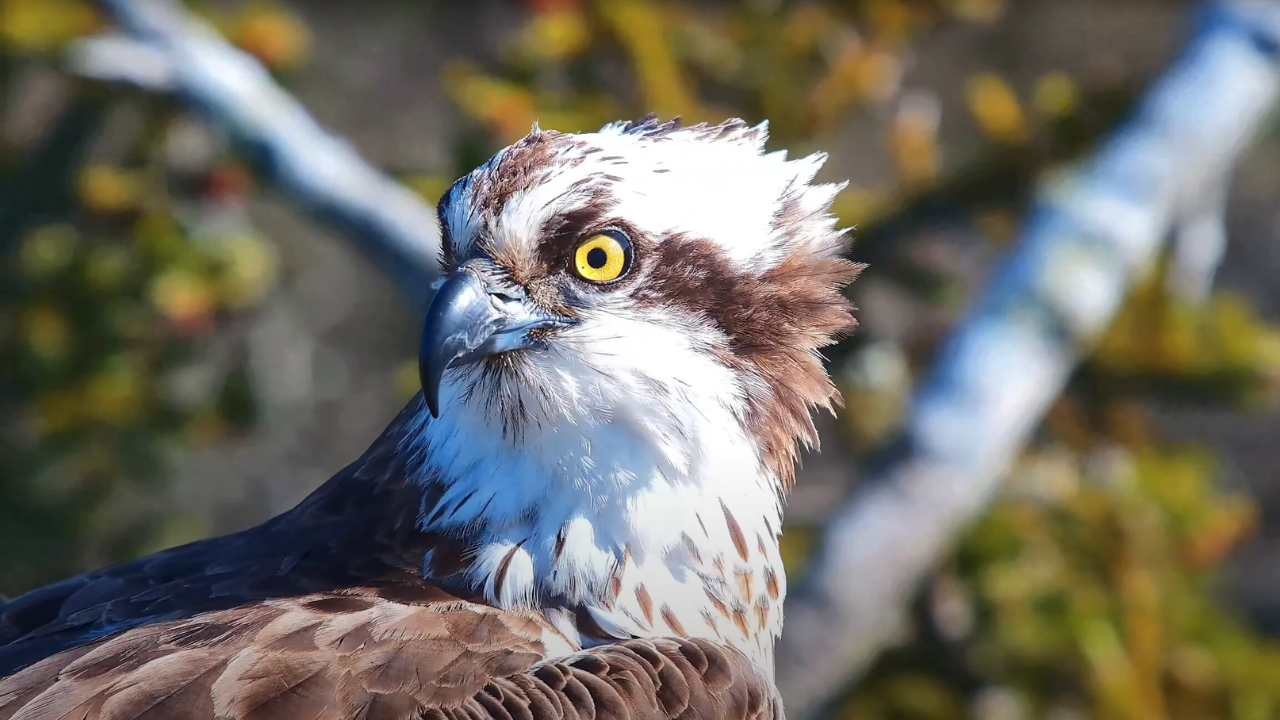
Ospreys have returned to breed in southern England for the first time since 1847, marking a significant conservation success.
This achievement is the result of a reintroduction program in Dorset, England, where conservationists have worked to reestablish the species after a century-long absence.
A key factor in the rapid expansion of the osprey population has been the establishment of pioneering pairs, which create separate breeding groups and accelerate population growth.
Translocation projects, which involve moving birds from existing populations to new areas, have been instrumental in creating these artificial pioneers.
By doing so, conservationists have saved decades of time that would have been required for natural recolonization to occur.
The reintroduction of ospreys to southern England is not only a success story for the region but also has broader implications for the species as a whole.
The new osprey populations in southern England are now connecting with other established areas, helping to spread the species across the country.
This expansion is a testament to the power of conservation efforts and the importance of reintroduction programs in restoring species to areas where they have become extinct.
The return of ospreys to southern England is a major milestone in the conservation of this iconic species, and it is hoped that it will inspire further efforts to protect and restore wildlife populations.
The success of this program demonstrates the potential for targeted conservation initiatives to drive significant positive change, and it is likely to have a lasting impact on the osprey population in England.
In the context of conservation, the reintroduction of ospreys to southern England highlights the importance of collaborative efforts between conservationists, researchers, and local communities in achieving successful outcomes.
The osprey's return to southern England is a powerful reminder of the potential for species recovery and the importance of continued conservation efforts to protect and preserve wildlife populations.
The significance of this event extends beyond the local area, as it demonstrates the potential for conservation initiatives to drive positive change and restore species to areas where they have become extinct.
This achievement is a major step forward for osprey conservation and is likely to have a lasting impact on the species' population in England.
What it means for the region is that the osprey population is now more connected, and the species is more likely to thrive in the area.
This is a major conservation success story, and it is hoped that it will inspire further efforts to protect and restore wildlife populations in the region and beyond.
Frequently asked questions
When did ospreys last breed in southern England before the reintroduction?
Ospreys last bred in southern England in 1847.
What is the significance of pioneering pairs in osprey population growth?
Pioneering pairs establish separate breeding groups, accelerating population growth significantly.