Zuckerberg Promotes AI in Medical Research
Mark Zuckerberg pitches AI for medical research, wears rare Rolex watch.

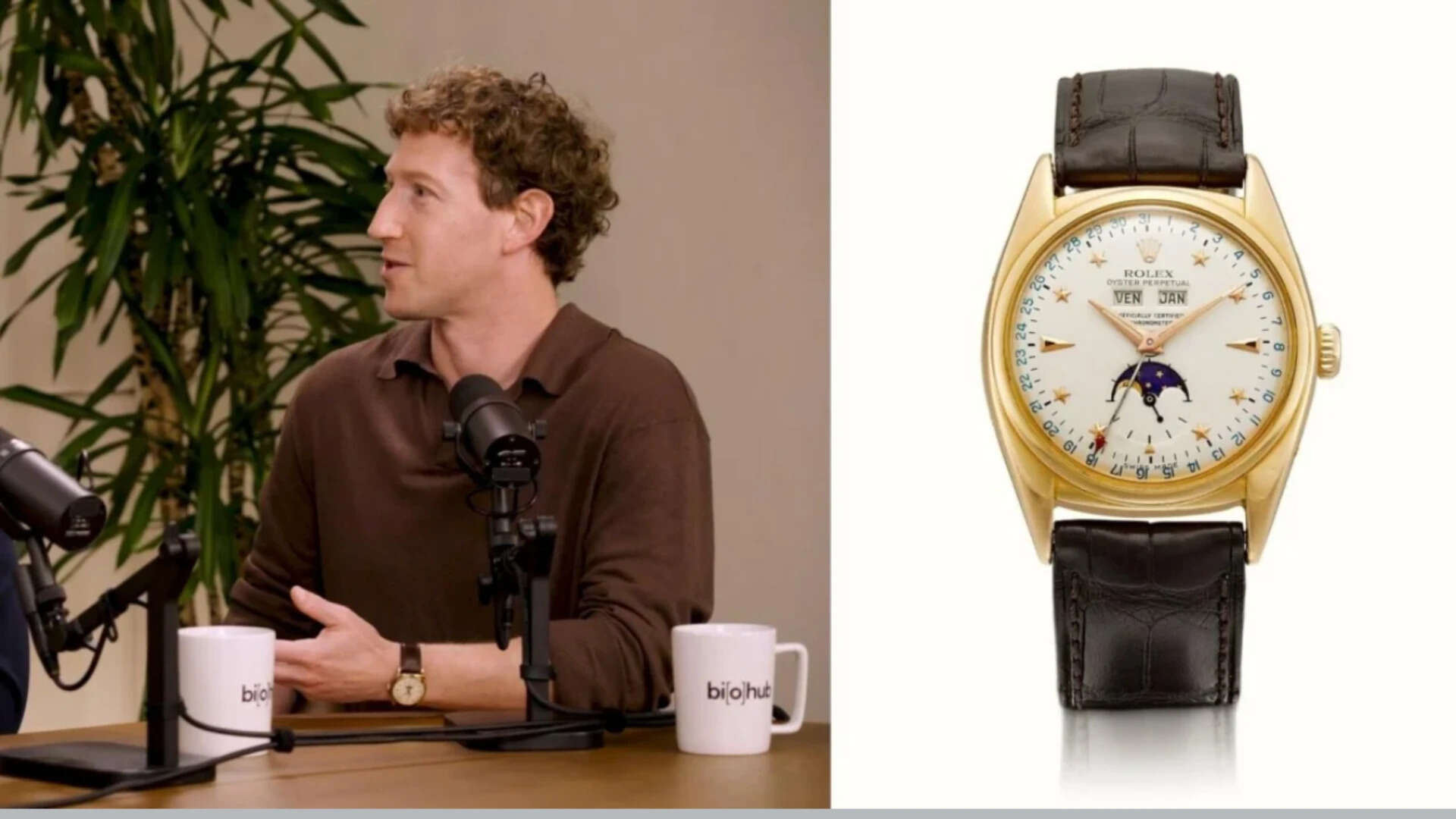
Mark Zuckerberg recently emphasized the importance of Artificial Intelligence in transforming medical research. He was spotted wearing a vintage Rolex Stelline, a rare and coveted collector's watch valued at around $2 million, while discussing his Biohub initiative.
The Biohub initiative aims to combat human illnesses through sophisticated computer models, highlighting the potential of AI in medical research. Zuckerberg's push for technological progress in health is reflected in his refined taste in luxury timepieces.
Zuckerberg's appearance and statement underscore his commitment to leveraging technology for the betterment of human health. His Biohub initiative has been at the forefront of promoting AI-driven medical research, with the goal of improving our understanding and treatment of various diseases.
The use of AI in medical research has gained significant attention in recent years, with many experts believing it has the potential to revolutionize the field. By analyzing vast amounts of data and identifying patterns, AI can help researchers develop more effective treatments and improve patient outcomes.
Zuckerberg's Rolex Stelline is a rare and highly sought-after timepiece, known for its unique moon-phase display. The watch is a testament to Zuckerberg's appreciation for luxury and innovation, values that are also reflected in his approach to technological advancements in health.
The intersection of technology and healthcare is an area of growing interest, with many companies and organizations exploring the potential of AI and other technologies to improve medical research and treatment. Zuckerberg's Biohub initiative is just one example of the many efforts underway to harness the power of technology for the betterment of human health.
As the use of AI in medical research continues to evolve, it will be interesting to see how initiatives like Biohub contribute to the development of new treatments and therapies. With its potential to analyze vast amounts of data and identify patterns, AI is poised to play an increasingly important role in the field of medical research.
In conclusion, Mark Zuckerberg's recent appearance and statement highlight the growing importance of AI in medical research. His commitment to leveraging technology for the betterment of human health is reflected in his Biohub initiative, and his appreciation for luxury and innovation is evident in his rare Rolex Stelline watch.
The significance of this development lies in its potential to improve human health and wellbeing, and it will be interesting to see how AI continues to shape the field of medical research in the years to come.