CBI Files Case Against Subhash Chandra Over ₹1,322 Crore Loan Fraud
CBI registers case against Subhash Chandra, Essel Group chairman, over alleged loan fraud. LIC Housing Finance alleges irregularities in loans worth ₹1,322 crore.
'%3E%3Crect%20width%3D'96'%20height%3D'96'%20fill%3D'%231A5276'%2F%3E%3Ccircle%20cx%3D'30'%20cy%3D'24'%20r%3D'44'%20fill%3D'%23fff'%20opacity%3D'.12'%2F%3E%3Ccircle%20cx%3D'60'%20cy%3D'74'%20r%3D'40'%20fill%3D'%23000'%20opacity%3D'.10'%2F%3E%3C%2Fg%3E%3Cg%20fill%3D'%23fff'%3E%3Cpath%20d%3D'M31%2041%20L48%2031%20L65%2041%20Z'%2F%3E%3Crect%20x%3D'33'%20y%3D'43'%20width%3D'4'%20height%3D'17'%2F%3E%3Crect%20x%3D'41'%20y%3D'43'%20width%3D'4'%20height%3D'17'%2F%3E%3Crect%20x%3D'51'%20y%3D'43'%20width%3D'4'%20height%3D'17'%2F%3E%3Crect%20x%3D'59'%20y%3D'43'%20width%3D'4'%20height%3D'17'%2F%3E%3Crect%20x%3D'30'%20y%3D'62'%20width%3D'36'%20height%3D'4'%20rx%3D'1'%2F%3E%3C%2Fg%3E%3C%2Fsvg%3E)
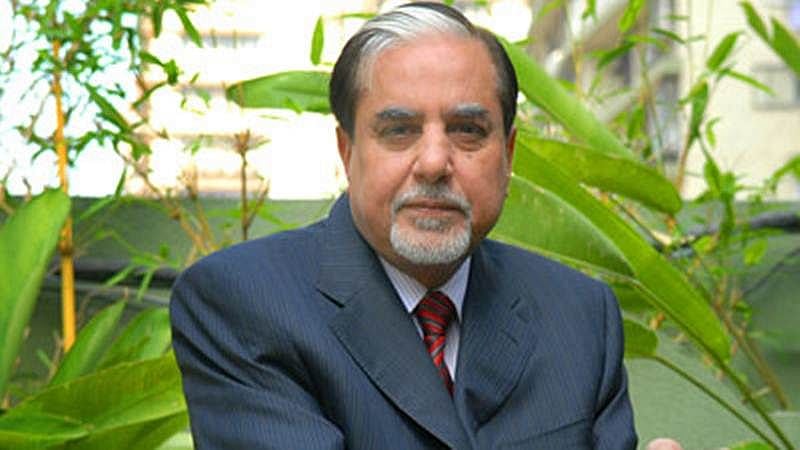
The Central Bureau of Investigation (CBI) has registered a case against Subhash Chandra, the chairman of Essel Group, and several others over alleged irregularities in loans worth ₹1,322 crore obtained from LIC Housing Finance Ltd.
The case was filed on August 31, following a complaint by LIC Housing Finance, which alleged that Chandra, along with borrower companies and their directors, submitted incorrect and inflated net-worth details to secure financial assistance. The agency has booked those named in the case under charges including criminal conspiracy, cheating, and criminal breach of trust.
According to the complaint, LIC Housing Finance approved a ₹500 crore loan in March 2018 to Vasant Sagar Properties Pvt Ltd and Pan India Infraprojects Pvt Ltd for business expansion. The facility was backed by Chandra's personal guarantee. The lender later sanctioned another loan of ₹480 crore in August 2018 under a rental discounting arrangement to Digital Subscriber Management and Consultancy Services Pvt Ltd and Spirit Infrapower and Multiventures Pvt Ltd. This loan was also supported by Chandra's personal guarantee.
The complaint alleged that the loan approvals were partly based on net-worth certificates submitted by Chandra, which stated his wealth at $6.2 billion, or ₹59,113 crore, as of March 31, 2017, and ₹40,562 crore, respectively. However, both loan facilities subsequently slipped into default, with outstanding dues estimated at ₹570.50 crore for the Vasant Sagar facility and ₹507.25 crore for the Digital Subscriber Management loan.
LIC Housing Finance alleged that Chandra later disputed the net-worth figures during personal insolvency proceedings, declaring his net worth at ₹31.79 crore in 2024 and stating that it had not crossed ₹40,000 crore even during 2017-18. The lender alleged that false documents were created to project an inflated financial position and that the borrower companies and their officials acted together to obtain loans.
The CBI has named Subhash Chandra, the borrower companies, their directors, and other unidentified individuals and public servants in the case. The investigation will determine further details regarding the alleged financial transactions and responsibilities of those involved.
The case highlights the importance of due diligence and verification of financial information in loan approvals. It also raises questions about the role of public servants and other individuals in the alleged loan fraud.
The investigation is ongoing, and the CBI will likely summon Chandra and other accused individuals for questioning. The case has significant implications for the Essel Group and its subsidiaries, as well as for LIC Housing Finance and other lenders.
In recent years, there have been several cases of loan fraud and default in India, highlighting the need for stricter regulations and oversight in the financial sector. The CBI's investigation into the alleged loan fraud involving Subhash Chandra and Essel Group is a significant step towards addressing these concerns and ensuring accountability.
The outcome of the investigation will be closely watched by the financial sector and the general public, as it has significant implications for the integrity of the lending process and the accountability of corporate leaders.
The case also raises questions about the effectiveness of regulatory mechanisms in preventing loan fraud and default. The Reserve Bank of India and other regulatory bodies will likely face scrutiny over their role in overseeing the lending process and preventing such irregularities.
In conclusion, the CBI's case against Subhash Chandra and Essel Group is a significant development in the ongoing efforts to address loan fraud and default in India. The investigation will likely have far-reaching implications for the financial sector and corporate governance in the country.
The alleged loan fraud involving Subhash Chandra and Essel Group is a reminder of the importance of transparency and accountability in corporate dealings. The case highlights the need for stricter regulations and oversight in the financial sector, as well as the importance of due diligence and verification of financial information in loan approvals.
The investigation is a significant step towards ensuring accountability and preventing such irregularities in the future. The outcome of the case will be closely watched by the financial sector and the general public, as it has significant implications for the integrity of the lending process and the accountability of corporate leaders.
Frequently asked questions
What is the amount of loan fraud alleged against Subhash Chandra?
The alleged loan fraud involves ₹1,322 crore obtained from LIC Housing Finance Ltd.
What are the charges against Subhash Chandra and others?
The charges include criminal conspiracy, cheating, and criminal breach of trust.