Police Use Digital Tracking on Protestors
Police admit to electronic surveillance, sparking legal concerns. Over 400 protestors detained.
'%3E%3Crect%20width%3D'96'%20height%3D'96'%20fill%3D'%23B3261E'%2F%3E%3Ccircle%20cx%3D'30'%20cy%3D'24'%20r%3D'44'%20fill%3D'%23fff'%20opacity%3D'.12'%2F%3E%3Ccircle%20cx%3D'60'%20cy%3D'74'%20r%3D'40'%20fill%3D'%23000'%20opacity%3D'.10'%2F%3E%3C%2Fg%3E%3Cg%20fill%3D'%23fff'%3E%3Crect%20x%3D'29'%20y%3D'49'%20width%3D'8'%20height%3D'19'%20rx%3D'1'%2F%3E%3Crect%20x%3D'39'%20y%3D'40'%20width%3D'9'%20height%3D'28'%20rx%3D'1'%2F%3E%3Crect%20x%3D'50'%20y%3D'45'%20width%3D'8'%20height%3D'23'%20rx%3D'1'%2F%3E%3Crect%20x%3D'60'%20y%3D'53'%20width%3D'7'%20height%3D'15'%20rx%3D'1'%2F%3E%3Crect%20x%3D'41'%20y%3D'34'%20width%3D'5'%20height%3D'6'%2F%3E%3C%2Fg%3E%3C%2Fsvg%3E)
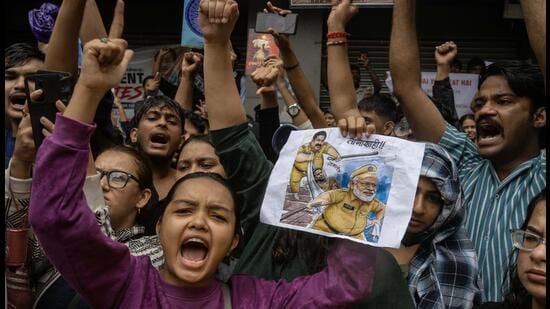
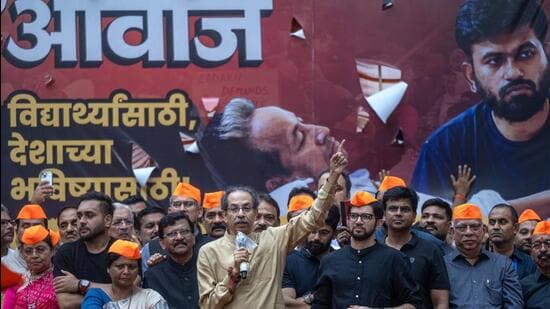
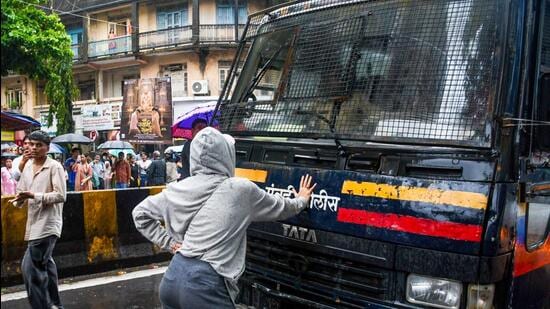
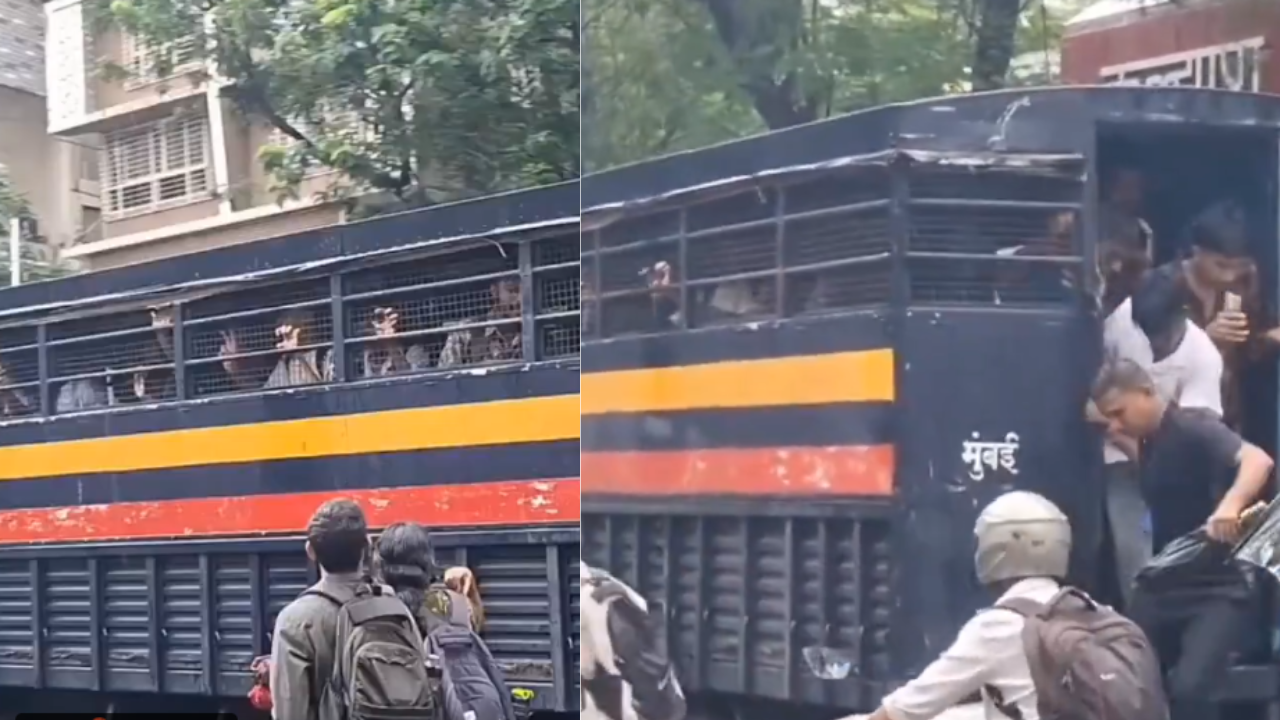
The Mumbai police have acknowledged using digital tracking to monitor and deter protestors, with some individuals reporting visits from police officers at their homes. This development comes as mass detentions continue, with over 400 protestors being rounded up on Wednesday alone.
According to lawyers assisting the young protestors, this electronic surveillance may be in violation of the Bhartiya Nyaya Sanhita (BNS) and the Information Technology Act (IT Act). The use of digital tracking has raised concerns about the potential infringement of protestors' rights and the legality of such measures.
The police have not commented on the specifics of their surveillance methods, but their admission of using electronic means to track protestors has sparked debate about the balance between maintaining law and order and protecting individual freedoms.
The detentions and surveillance are part of a broader effort by the authorities to manage and respond to protests in the city. The protests have been ongoing, with various groups and individuals expressing their grievances and demands.
Lawyers and activists have expressed concerns about the impact of such surveillance on the right to free speech and assembly. They argue that the use of digital tracking could have a chilling effect on people's willingness to participate in protests and express their opinions.
The Bhartiya Nyaya Sanhita (BNS) and the Information Technology Act (IT Act) provide a framework for the use of surveillance and the protection of individual rights in India. The laws are designed to balance the need for law enforcement agencies to maintain order with the need to protect citizens' rights and freedoms.
In the context of the ongoing protests, the use of digital tracking by the police has raised questions about the limits of surveillance and the potential for abuse. As the situation continues to unfold, it remains to be seen how the authorities will balance their efforts to maintain order with the need to protect individual rights and freedoms.
The issue of digital surveillance and its implications for individual rights is a complex one, with different stakeholders holding varying views. While some argue that surveillance is necessary for maintaining law and order, others see it as an infringement on individual freedoms.
For Mumbai residents, the use of digital tracking by the police is a significant concern. It raises questions about the potential for abuse and the impact on the right to free speech and assembly. As the city continues to navigate the challenges of managing protests and maintaining order, it is essential to ensure that individual rights are protected and that the use of surveillance is subject to rigorous oversight and accountability.
In conclusion, the police's admission of using digital tracking to monitor and deter protestors has significant implications for individual rights and freedoms in Mumbai. As the situation continues to unfold, it is crucial to ensure that the authorities balance their efforts to maintain order with the need to protect citizens' rights and freedoms.
Frequently asked questions
What is the Bhartiya Nyaya Sanhita (BNS)?
The Bhartiya Nyaya Sanhita (BNS) is a law that provides a framework for the use of surveillance and the protection of individual rights in India.
Why are lawyers concerned about the police's use of digital tracking?
Lawyers are concerned that the use of digital tracking may be in violation of the BNS and the Information Technology Act (IT Act), and could have a chilling effect on people's willingness to participate in protests and express their opinions.