Bombay HC Commutes Death Sentence in Kidnap-Murder Case
Two men's death sentences commuted to 30 years imprisonment. Kidnap-murder case from 2013.

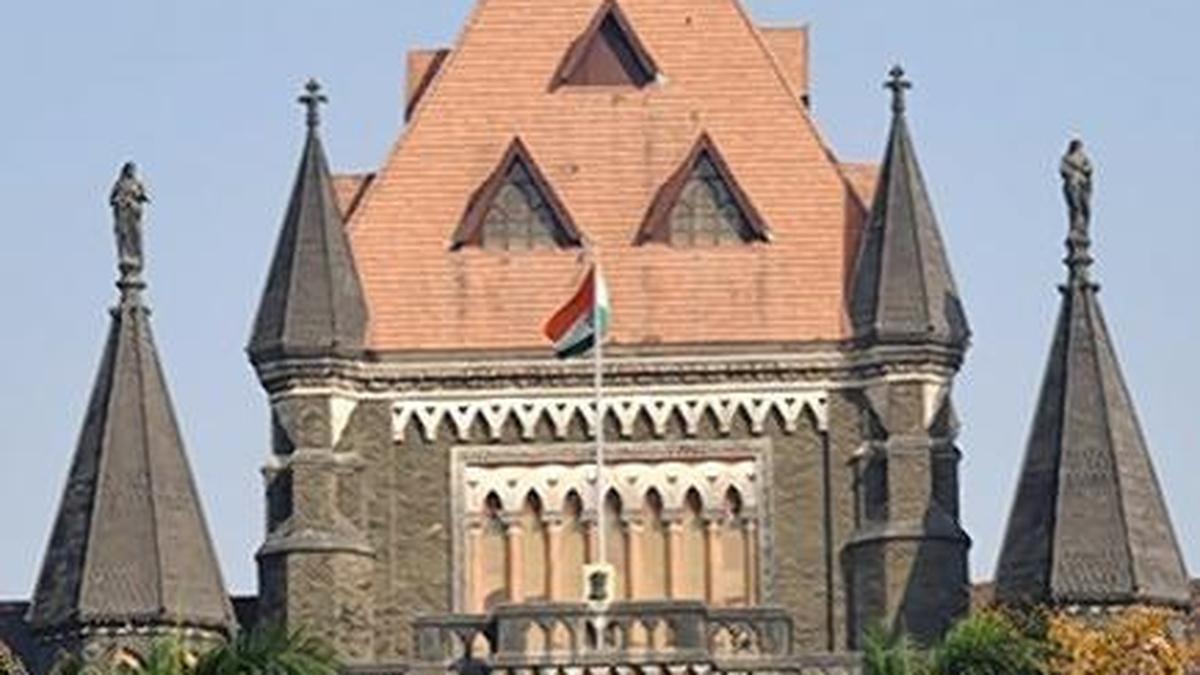
The Bombay High Court has made a significant decision in a kidnapping and murder case from 2013, commuting the death sentence of two men to 30 years of rigorous imprisonment without remission.
The case dates back to 2013 when a young engineering student was kidnapped and murdered in Nashik. The incident sent shockwaves through the community, and the subsequent trial led to the conviction of the two men involved.
The two men were initially sentenced to death for their role in the kidnapping and murder. However, in a recent judgment, the Bombay High Court has decided to commute their sentence to 30 years of rigorous imprisonment without remission.
The decision was made after careful consideration of the case and the circumstances surrounding the crime. The court took into account various factors, including the severity of the crime and the impact on the victim's family.
The kidnapping and murder of the young engineering student had a profound impact on the community in Nashik. The incident highlighted the need for increased safety measures and stricter laws to prevent such crimes.
The Bombay High Court's decision to commute the death sentence to 30 years of rigorous imprisonment without remission reflects the court's commitment to upholding justice while also considering the human rights of the accused.
The case has sparked a debate about the effectiveness of the death penalty as a deterrent to crime. While some argue that the death penalty is necessary to prevent heinous crimes, others believe that it is not an effective deterrent and that alternative punishments, such as life imprisonment, can be more effective.
The Bombay High Court's decision in this case will have significant implications for similar cases in the future. It highlights the importance of careful consideration and nuanced decision-making in the judicial process.
In conclusion, the Bombay High Court's decision to commute the death sentence of the two men involved in the kidnapping and murder case is a significant one. It reflects the court's commitment to justice and human rights, and it will have important implications for the future of criminal justice in India.
The decision is also a reminder of the need for ongoing efforts to prevent such crimes and to support the families of victims. It is a complex issue that requires careful consideration and a nuanced approach.
The Bombay High Court's judgment is a testament to the importance of the judicial system in upholding justice and protecting human rights. It is a significant decision that will have far-reaching implications for the criminal justice system in India.