CJI Flags Challenge in UAPA Trials
UAPA trials pose a challenge, says CJI Suryakant. Special courts to help.
'%3E%3Crect%20width%3D'96'%20height%3D'96'%20fill%3D'%231A5276'%2F%3E%3Ccircle%20cx%3D'30'%20cy%3D'24'%20r%3D'44'%20fill%3D'%23fff'%20opacity%3D'.12'%2F%3E%3Ccircle%20cx%3D'60'%20cy%3D'74'%20r%3D'40'%20fill%3D'%23000'%20opacity%3D'.10'%2F%3E%3C%2Fg%3E%3Cg%20fill%3D'%23fff'%3E%3Cpath%20d%3D'M31%2041%20L48%2031%20L65%2041%20Z'%2F%3E%3Crect%20x%3D'33'%20y%3D'43'%20width%3D'4'%20height%3D'17'%2F%3E%3Crect%20x%3D'41'%20y%3D'43'%20width%3D'4'%20height%3D'17'%2F%3E%3Crect%20x%3D'51'%20y%3D'43'%20width%3D'4'%20height%3D'17'%2F%3E%3Crect%20x%3D'59'%20y%3D'43'%20width%3D'4'%20height%3D'17'%2F%3E%3Crect%20x%3D'30'%20y%3D'62'%20width%3D'36'%20height%3D'4'%20rx%3D'1'%2F%3E%3C%2Fg%3E%3C%2Fsvg%3E)
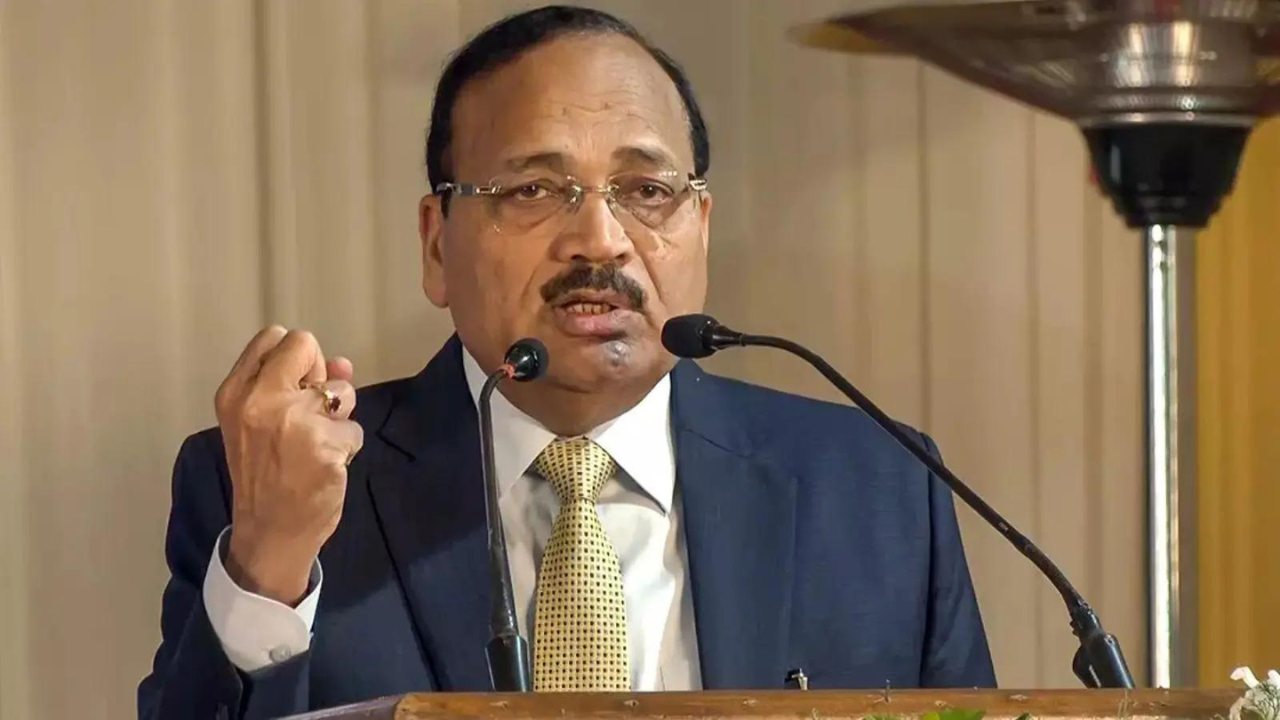
The Chief Justice of India, Suryakant, has highlighted the challenge of completing Unlawful Activities (Prevention) Act (UAPA) trials in a speedy manner.
This issue is crucial as UAPA cases often involve complex investigations and sensitive national security matters. The Chief Justice acknowledged the difficulties in expediting these trials.
Part of the solution, according to the Chief Justice, lies in setting up special courts to handle UAPA cases. These special courts are expected to streamline the process and ensure that the trials are conducted efficiently.
The establishment of special courts is a significant step towards addressing the delays in UAPA trials. With these courts in place, the judiciary aims to ensure that justice is delivered promptly, while also upholding the principles of fairness and due process.
UAPA is a critical law that deals with activities that threaten the sovereignty and integrity of India. The law empowers the government to take action against individuals and organizations involved in unlawful activities, including terrorism and sedition.
The challenge of completing UAPA trials in a timely manner is not new. In the past, there have been instances where trials have dragged on for years, causing undue delay and hardship to the accused and their families.
The setting up of special courts is a positive development, as it demonstrates the judiciary's commitment to addressing the issue of delayed trials. However, it is also important to ensure that these courts are equipped with the necessary resources and infrastructure to handle the complex cases that come under the UAPA.
The Indian judiciary has been working to improve the efficiency of the justice delivery system, and the establishment of special courts for UAPA cases is a significant step in this direction.
The speedy completion of UAPA trials is essential to ensure that justice is delivered promptly and that the rule of law is upheld. It is also crucial for maintaining public trust and confidence in the justice system.
In conclusion, the challenge of completing UAPA trials in a speedy manner is a complex issue that requires a multifaceted approach. While the setting up of special courts is a positive step, it is essential to ensure that these courts are equipped to handle the complex cases that come under the UAPA. The Indian judiciary must continue to work towards improving the efficiency of the justice delivery system, and the speedy completion of UAPA trials is a critical aspect of this effort.