CEA Defends India's 7.8% GDP Growth Rate
India's Chief Economic Adviser dismisses criticism, says old and new data series comparison is invalid. GDP growth rate supported by strong economic indicators.
'%3E%3Crect%20width%3D'96'%20height%3D'96'%20fill%3D'%230B6E4F'%2F%3E%3Ccircle%20cx%3D'30'%20cy%3D'24'%20r%3D'44'%20fill%3D'%23fff'%20opacity%3D'.12'%2F%3E%3Ccircle%20cx%3D'60'%20cy%3D'74'%20r%3D'40'%20fill%3D'%23000'%20opacity%3D'.10'%2F%3E%3C%2Fg%3E%3Cg%20fill%3D'none'%20stroke%3D'%23fff'%20stroke-width%3D'3.2'%20stroke-linecap%3D'round'%20stroke-linejoin%3D'round'%3E%3Cpolyline%20points%3D'31%2C59%2041%2C49%2049%2C54%2063%2C37'%2F%3E%3Cpolyline%20points%3D'55%2C37%2063%2C37%2063%2C45'%2F%3E%3C%2Fg%3E%3C%2Fsvg%3E)
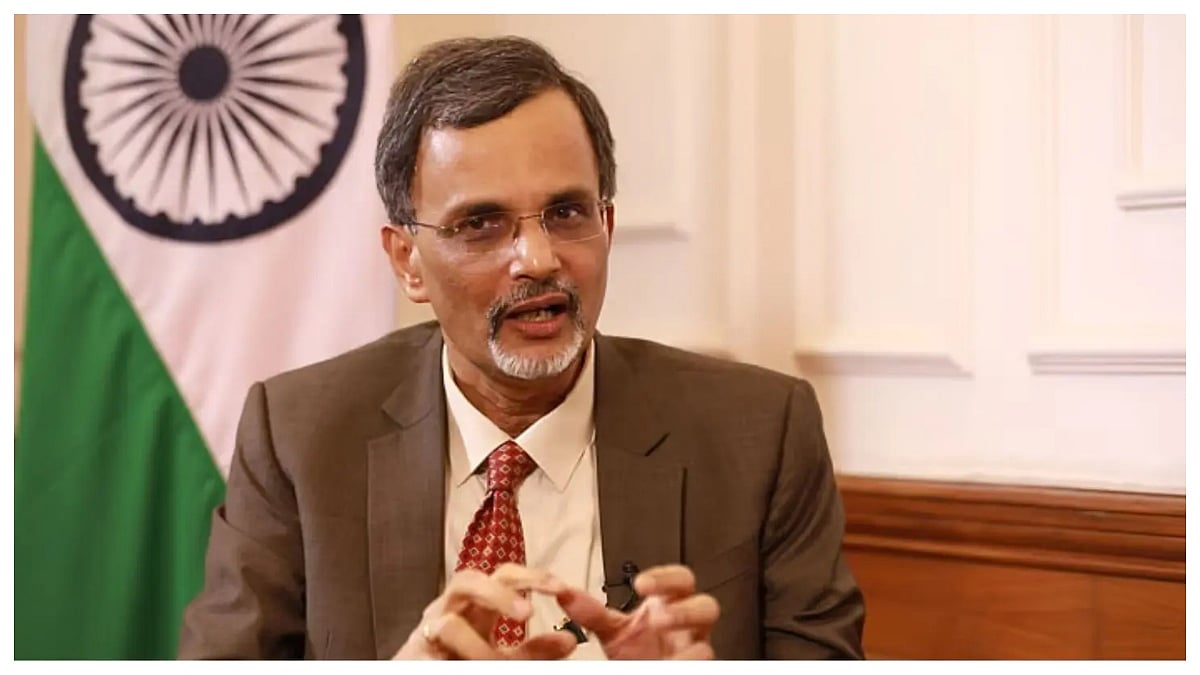
India's Chief Economic Adviser, V Anantha Nageswaran, has defended the country's 7.8% real GDP growth in the first quarter of FY27. He dismissed criticism that attempted to calculate a lower growth rate by comparing GDP figures from different statistical series.
The criticism was based on comparing last year's Q1 GDP estimate of around ₹86 lakh crore with the latest estimate of nearly ₹88 lakh crore. However, Nageswaran explained that such a comparison was incorrect because the two figures were prepared using different base years and estimation methods.
The previous GDP figure was calculated under the old 2011-12 base year series, while the latest data uses the revised 2022-23 base year series. Nageswaran argued that a meaningful comparison would require estimating what last year's GDP would have been if the earlier methodology had continued.
The revised GDP series incorporates wider data coverage, updated methodologies, and the use of double deflation. Nageswaran rejected suggestions that the base-year revision was used to inflate growth numbers, pointing out that the revised methodology had actually reduced India's nominal GDP estimate for FY26 by around ₹11 lakh crore.
Nageswaran defended the use of double deflation, saying it provides a more accurate picture, particularly for manufacturing. He explained that many input prices in India are influenced by global markets, while output prices are determined largely by domestic economic conditions.
The CEA also said the 7.8% GDP growth figure was supported by several high-frequency economic indicators, including GST collections, e-way bill generation, automobile sales, export performance, and bank credit growth. These indicators had already suggested strong economic momentum during the first quarter of FY27.
The debate over India's GDP growth rate has been ongoing, with some critics arguing that the government is manipulating the data to show higher growth. However, Nageswaran's explanation and the strong economic indicators suggest that the 7.8% growth rate is a realistic estimate.
The use of double deflation and the revised methodology are aimed at providing a more accurate picture of India's economic growth. The CEA's defense of the GDP growth rate is significant, as it provides a positive outlook for the country's economy.
In conclusion, the CEA's explanation and the strong economic indicators suggest that India's 7.8% GDP growth rate is a realistic estimate. The revised methodology and the use of double deflation provide a more accurate picture of the country's economic growth.
The significance of this growth rate cannot be overstated, as it suggests that India's economy is on a strong footing. The country's economic growth has been a subject of interest for investors and policymakers alike, and the CEA's defense of the GDP growth rate provides a positive outlook for the future.
Overall, the CEA's explanation and the strong economic indicators provide a convincing argument in favor of the 7.8% GDP growth rate. The revised methodology and the use of double deflation are aimed at providing a more accurate picture of India's economic growth, and the CEA's defense of the growth rate is significant for the country's economy.
The GDP growth rate is an important indicator of a country's economic health, and India's 7.8% growth rate suggests that the country is on a strong economic footing. The CEA's explanation and the strong economic indicators provide a positive outlook for the country's economy, and the revised methodology and the use of double deflation provide a more accurate picture of the country's economic growth.
In the context of India's economy, the 7.8% GDP growth rate is a significant achievement. The country has been working to improve its economic growth, and the CEA's defense of the growth rate suggests that the efforts are paying off. The strong economic indicators and the revised methodology provide a convincing argument in favor of the 7.8% GDP growth rate, and the CEA's explanation is significant for the country's economy.
The CEA's defense of the GDP growth rate is also significant for investors and policymakers. The 7.8% growth rate suggests that India's economy is a good investment opportunity, and the strong economic indicators provide a positive outlook for the future. The revised methodology and the use of double deflation provide a more accurate picture of the country's economic growth, and the CEA's explanation is convincing.
In conclusion, the CEA's defense of the 7.8% GDP growth rate is significant for India's economy. The strong economic indicators and the revised methodology provide a convincing argument in favor of the growth rate, and the CEA's explanation is positive for the country's economy. The 7.8% growth rate suggests that India's economy is on a strong footing, and the CEA's defense of the growth rate provides a positive outlook for the future.
The significance of the CEA's defense of the GDP growth rate cannot be overstated. The 7.8% growth rate is a significant achievement for India's economy, and the strong economic indicators provide a positive outlook for the future. The revised methodology and the use of double deflation provide a more accurate picture of the country's economic growth, and the CEA's explanation is convincing.
Overall, the CEA's defense of the 7.8% GDP growth rate is significant for India's economy. The strong economic indicators and the revised methodology provide a convincing argument in favor of the growth rate, and the CEA's explanation is positive for the country's economy. The 7.8% growth rate suggests that India's economy is on a strong footing, and the CEA's defense of the growth rate provides a positive outlook for the future.
What it means for India is that the country's economy is on a strong footing, and the 7.8% GDP growth rate is a significant achievement. The CEA's defense of the growth rate provides a positive outlook for the future, and the strong economic indicators suggest that the country's economy is growing strongly.
The CEA's explanation and the strong economic indicators provide a convincing argument in favor of the 7.8% GDP growth rate. The revised methodology and the use of double deflation provide a more accurate picture of the country's economic growth, and the CEA's defense of the growth rate is significant for the country's economy.
In conclusion, the CEA's defense of the 7.8% GDP growth rate is significant for India's economy. The strong economic indicators and the revised methodology provide a convincing argument in favor of the growth rate, and the CEA's explanation is positive for the country's economy. The 7.8% growth rate suggests that India's economy is on a strong footing, and the CEA's defense of the growth rate provides a positive outlook for the future.
Frequently asked questions
What is India's current GDP growth rate?
India's current GDP growth rate is 7.8%.
Why is the comparison between old and new data series invalid?
The comparison is invalid because the two figures were prepared using different base years and estimation methods.