Maharashtra Forms Panel To Review ST Benefits After Conversion
A 27-member committee will examine ST benefits, reservations after religious conversion. The panel will study Central and state laws to recommend a policy.
'%3E%3Crect%20width%3D'96'%20height%3D'96'%20fill%3D'%231A5276'%2F%3E%3Ccircle%20cx%3D'30'%20cy%3D'24'%20r%3D'44'%20fill%3D'%23fff'%20opacity%3D'.12'%2F%3E%3Ccircle%20cx%3D'60'%20cy%3D'74'%20r%3D'40'%20fill%3D'%23000'%20opacity%3D'.10'%2F%3E%3C%2Fg%3E%3Cg%20fill%3D'%23fff'%3E%3Cpath%20d%3D'M31%2041%20L48%2031%20L65%2041%20Z'%2F%3E%3Crect%20x%3D'33'%20y%3D'43'%20width%3D'4'%20height%3D'17'%2F%3E%3Crect%20x%3D'41'%20y%3D'43'%20width%3D'4'%20height%3D'17'%2F%3E%3Crect%20x%3D'51'%20y%3D'43'%20width%3D'4'%20height%3D'17'%2F%3E%3Crect%20x%3D'59'%20y%3D'43'%20width%3D'4'%20height%3D'17'%2F%3E%3Crect%20x%3D'30'%20y%3D'62'%20width%3D'36'%20height%3D'4'%20rx%3D'1'%2F%3E%3C%2Fg%3E%3C%2Fsvg%3E)
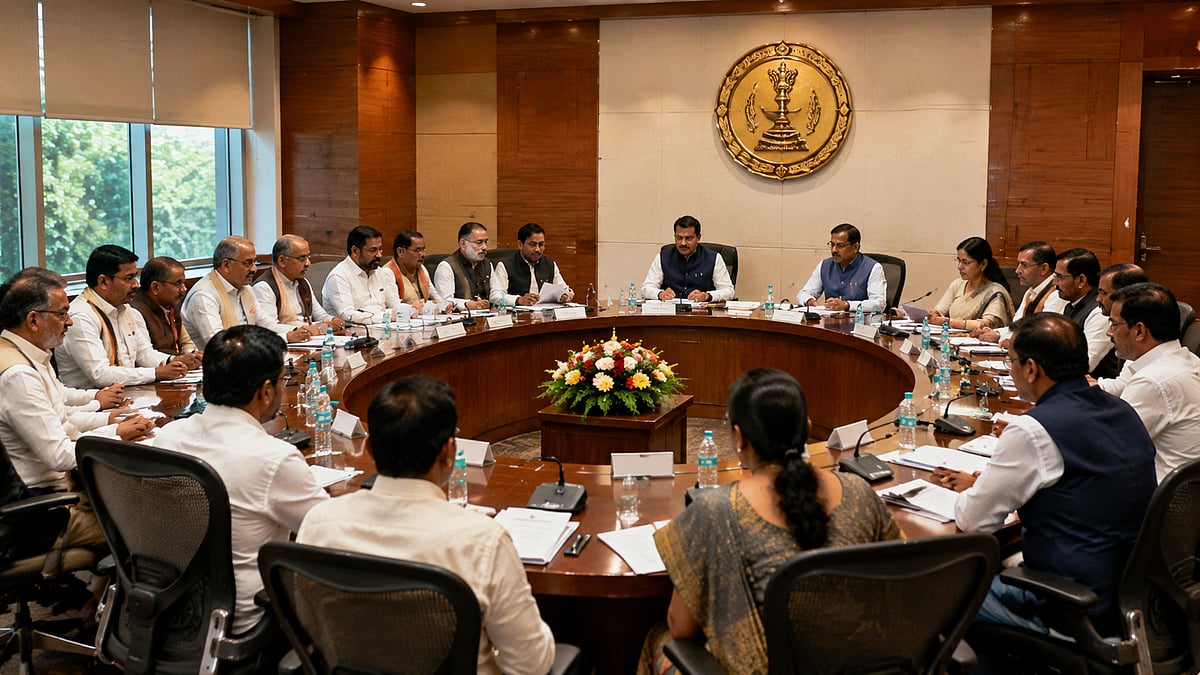
The Maharashtra government has formed a 27-member high-level committee to examine whether members of the Scheduled Tribes (ST) community should continue receiving government benefits and reservations after converting to another religion.
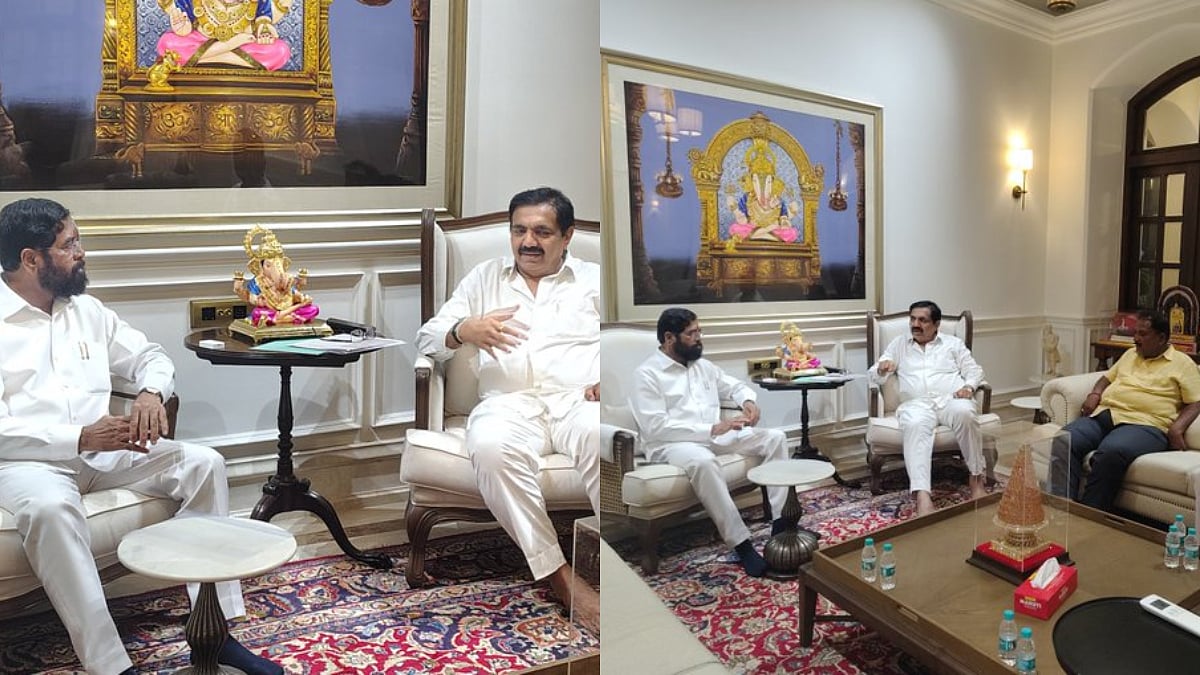
The committee, chaired by Tribal Development Minister Prof. Dr. Ashok Uike, will study existing Central and state laws before recommending a comprehensive policy for Maharashtra. The panel includes Minister of State Indranil Naik as Vice-Chairman, Minister Narhari Zirwal, and 22 legislators representing Scheduled Tribes.
The decision to form the committee follows a heated discussion during the 2025 Monsoon Session of the Maharashtra Legislature. BJP MLA Anupbhaiya Agrawal and other legislators raised the issue of alleged religious conversions in Navapur taluka of Nandurbar district. They alleged that tribal communities were being converted through inducements by Christian missionaries and associated organisations, and demanded that tribal welfare benefits be withdrawn after conversion.
Responding to the debate, the then Revenue Minister had assured the House that a committee comprising Scheduled Tribe legislators would be formed to examine the issue. The newly constituted panel fulfils that assurance. The Commissioner of Tribal Research and Training Institute (TRTI), Pune, has been designated as the Member Secretary.
The committee is expected to undertake a detailed legal and policy review before submitting recommendations that could shape Maharashtra's future policy on the continuation of ST benefits following religious conversion. The panel's recommendations will be crucial in determining the fate of ST benefits for individuals who convert to another religion.
The issue of religious conversion and its impact on ST benefits has been a contentious one in Maharashtra. The state government's decision to form a committee to examine the issue is seen as a step towards addressing the concerns of legislators and stakeholders. The committee's recommendations will be closely watched by all parties involved.
The Maharashtra government has been working to improve the lives of Scheduled Tribes in the state. The formation of the committee is part of these efforts. The government aims to ensure that ST benefits are used effectively and efficiently to improve the socio-economic conditions of tribal communities.
In recent years, there have been reports of alleged religious conversions in some parts of Maharashtra. The issue has sparked debates and discussions among legislators, stakeholders, and the general public. The committee's recommendations will help to clarify the government's stance on the issue and provide a way forward.
The committee's work will be closely monitored by all parties involved. The recommendations made by the panel will have significant implications for the ST community in Maharashtra. The state government's decision to form a committee to examine the issue is a positive step towards addressing the concerns of legislators and stakeholders.
The formation of the committee is a significant development in the context of ST benefits and reservations in Maharashtra. The panel's recommendations will help to shape the state's policy on the issue and provide a way forward for the ST community. The committee's work will be closely watched by all parties involved, and its recommendations will have significant implications for the state's tribal population.
In conclusion, the Maharashtra government's decision to form a committee to examine ST benefits and reservations after religious conversion is a significant step towards addressing the concerns of legislators and stakeholders. The panel's recommendations will be crucial in determining the fate of ST benefits for individuals who convert to another religion, and will have significant implications for the ST community in Maharashtra.