N Chandrasekaran Quits As Tata Sons Chairman Amid Trust Tensions
Tata Sons Chairman steps down, uncertainty over reappointment, trust tensions rise
'%3E%3Crect%20width%3D'96'%20height%3D'96'%20fill%3D'%230B6E4F'%2F%3E%3Ccircle%20cx%3D'30'%20cy%3D'24'%20r%3D'44'%20fill%3D'%23fff'%20opacity%3D'.12'%2F%3E%3Ccircle%20cx%3D'60'%20cy%3D'74'%20r%3D'40'%20fill%3D'%23000'%20opacity%3D'.10'%2F%3E%3C%2Fg%3E%3Cg%20fill%3D'none'%20stroke%3D'%23fff'%20stroke-width%3D'3.2'%20stroke-linecap%3D'round'%20stroke-linejoin%3D'round'%3E%3Cpolyline%20points%3D'31%2C59%2041%2C49%2049%2C54%2063%2C37'%2F%3E%3Cpolyline%20points%3D'55%2C37%2063%2C37%2063%2C45'%2F%3E%3C%2Fg%3E%3C%2Fsvg%3E)
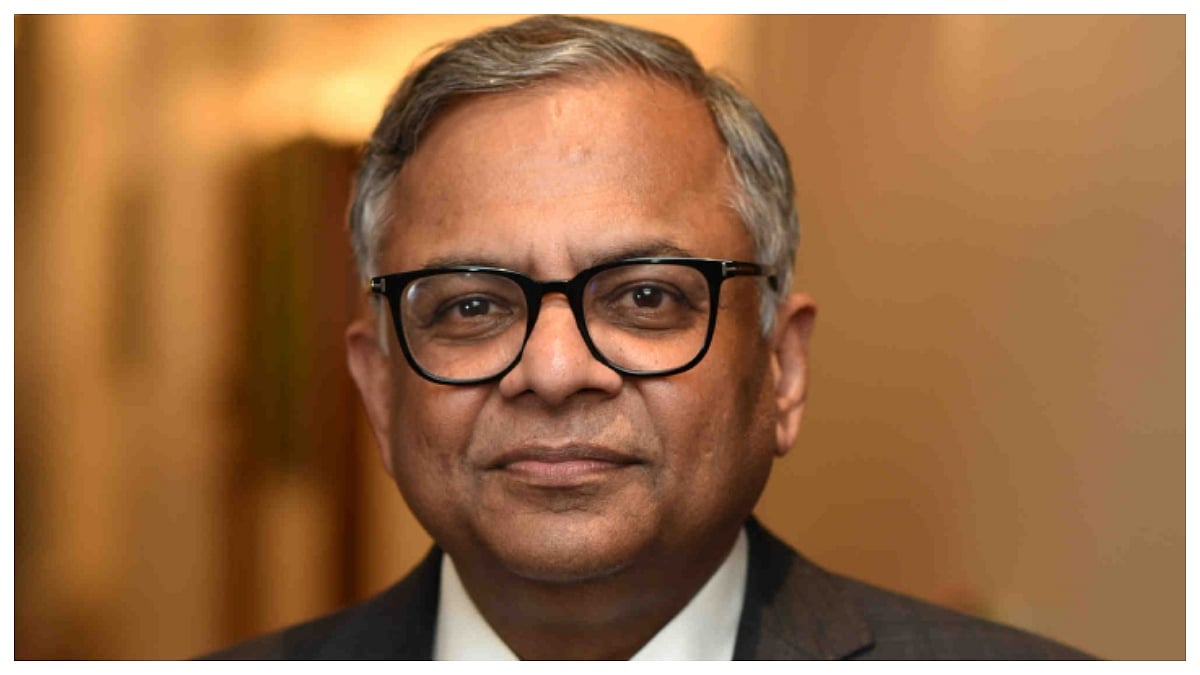
N Chandrasekaran has stepped down as the Chairman of Tata Sons, ahead of the company's annual general meeting (AGM) on August 18. This move comes amid uncertainty over his reappointment as a director and ongoing differences within the Tata Group.
Chandrasekaran's current term as Tata Sons chairman was due to end in February 2027. However, he has reportedly discussed the possibility of resigning with close associates rather than allowing his continuation as chairman to be decided during a potentially contentious shareholder meeting.
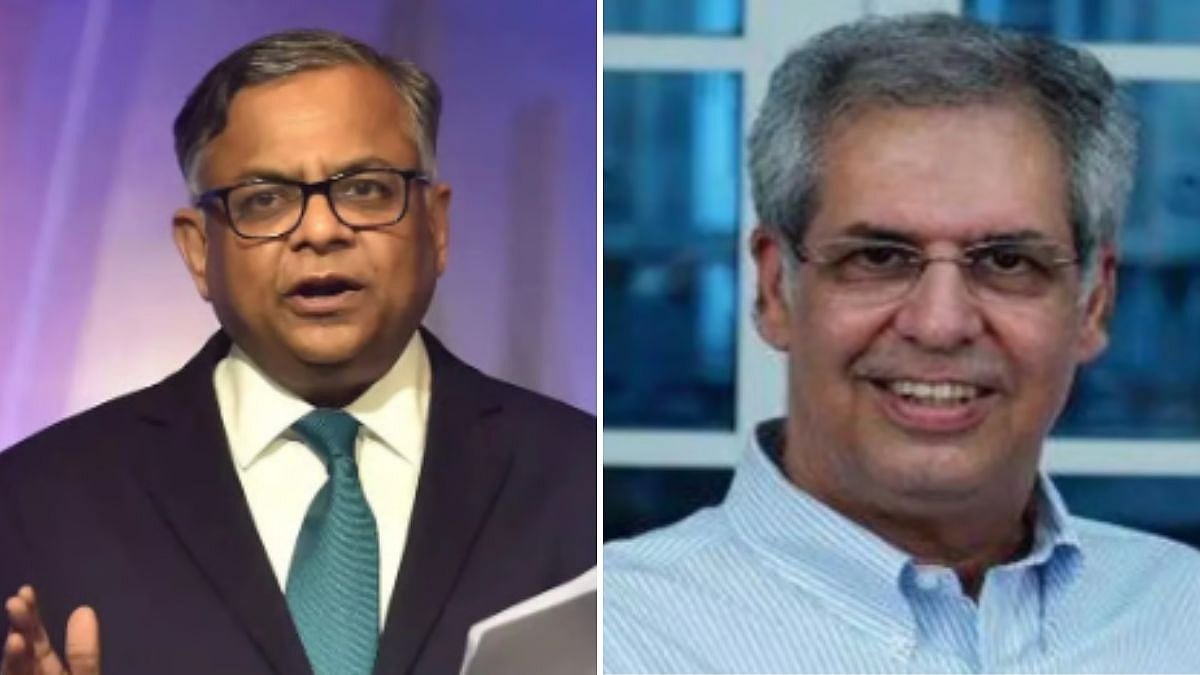
The uncertainty surrounding Chandrasekaran's reappointment stems from differences between Tata Sons and Tata Trusts, the charitable arm that holds around 66% stake in the holding company. Tata Trusts Chairman Noel Tata had raised concerns over the performance of some newer businesses of the group, leading to a deferral of the decision on Chandrasekaran's reappointment in February.
The disagreement between the two parties has expanded beyond Chandrasekaran's continuation, with issues including board representation, business strategy, and the proposed exit of minority shareholder Shapoorji Pallonji Group. The dispute has also led to the removal of a Tata Sons director.
Tata Sons is the principal holding company of the group, overseeing major businesses such as Tata Consultancy Services, Tata Motors, and Air India. The August 18 AGM had gained importance as shareholders were set to vote on Chandrasekaran's continuation as a director.
Chandrasekaran joined the Tata Group in 1987 and became the CEO of Tata Consultancy Services in 2009. He took charge as Tata Sons chairman in 2017, during which the group expanded significantly across sectors. However, the group has also faced challenges, including regulatory scrutiny involving Air India, pressure on TCS margins, and production disruptions at Jaguar Land Rover.
The leadership uncertainty comes at a crucial time for Tata Sons as it navigates internal governance issues and strategic decisions involving some of its largest businesses. The company's future direction and leadership will be closely watched by investors and stakeholders.
The resignation of Chandrasekaran has significant implications for the Tata Group, which is one of India's largest and most diversified conglomerates. The group's ability to navigate its internal differences and make strategic decisions will be crucial in determining its future success.
In conclusion, the resignation of N Chandrasekaran as Tata Sons Chairman has added to the uncertainty surrounding the company's leadership and future direction. The differences between Tata Sons and Tata Trusts will need to be addressed in order to ensure the long-term success of the group.
The Tata Group's expansion and challenges under Chandrasekaran's tenure have been significant, and his resignation will be closely watched by investors and stakeholders. The company's ability to navigate its internal governance issues and make strategic decisions will be crucial in determining its future success.
The resignation of Chandrasekaran has raised questions about the future leadership of the Tata Group and the potential impact on its businesses. The company's AGM on August 18 will be closely watched as shareholders vote on the reappointment of directors and the future direction of the company.
The leadership uncertainty at Tata Sons comes at a time when the company is facing significant challenges, including regulatory scrutiny and pressure on margins. The company's ability to navigate these challenges and make strategic decisions will be crucial in determining its future success.
In the end, the resignation of N Chandrasekaran as Tata Sons Chairman has significant implications for the company's future direction and leadership. The differences between Tata Sons and Tata Trusts will need to be addressed in order to ensure the long-term success of the group.
Frequently asked questions
Why did N Chandrasekaran step down as Tata Sons Chairman?
Chandrasekaran stepped down amid uncertainty over his reappointment as a director and ongoing differences within the Tata Group.
What are the implications of Chandrasekaran's resignation for the Tata Group?
The resignation has significant implications for the company's future direction and leadership, and raises questions about the potential impact on its businesses.