Co-owners Disagree on Rent or Sale of Joint Property
Disputes arise among co-owners, negotiations and buyouts ensue. Shared homeownership brings financial relief but also potential conflicts.
'%3E%3Crect%20width%3D'96'%20height%3D'96'%20fill%3D'%23B3261E'%2F%3E%3Ccircle%20cx%3D'30'%20cy%3D'24'%20r%3D'44'%20fill%3D'%23fff'%20opacity%3D'.12'%2F%3E%3Ccircle%20cx%3D'60'%20cy%3D'74'%20r%3D'40'%20fill%3D'%23000'%20opacity%3D'.10'%2F%3E%3C%2Fg%3E%3Cg%20fill%3D'%23fff'%3E%3Crect%20x%3D'29'%20y%3D'49'%20width%3D'8'%20height%3D'19'%20rx%3D'1'%2F%3E%3Crect%20x%3D'39'%20y%3D'40'%20width%3D'9'%20height%3D'28'%20rx%3D'1'%2F%3E%3Crect%20x%3D'50'%20y%3D'45'%20width%3D'8'%20height%3D'23'%20rx%3D'1'%2F%3E%3Crect%20x%3D'60'%20y%3D'53'%20width%3D'7'%20height%3D'15'%20rx%3D'1'%2F%3E%3Crect%20x%3D'41'%20y%3D'34'%20width%3D'5'%20height%3D'6'%2F%3E%3C%2Fg%3E%3C%2Fsvg%3E)
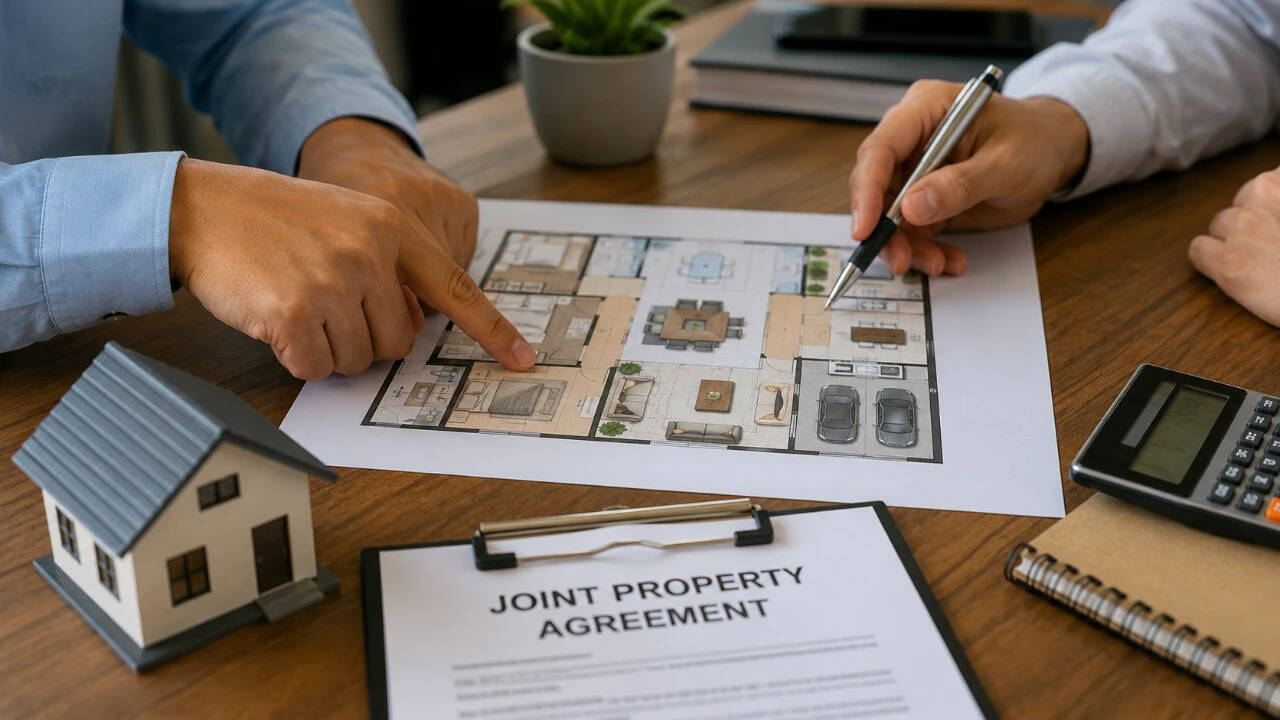
A rising trend in the real estate market is the adoption of jointly owned properties, where multiple buyers share the financial burden and loan obligations. This arrangement has become increasingly popular as it helps alleviate the strain of solo homeownership. In some states, including a woman as a co-owner can even lead to reductions in stamp duty, making it a more attractive option for many.
However, this shared ownership model also comes with its own set of challenges. One of the primary concerns is the requirement for mutual consent among co-owners when it comes to selling the property or making decisions related to loans. Each co-owner has the right to sell their portion of the property, which can lead to disputes and conflicts among the parties involved.
When co-owners disagree on matters such as rent or sale, the situation can become complicated. In such cases, the co-owners may need to engage in negotiations to reach a mutually acceptable decision. If negotiations fail, one co-owner may choose to buy out the other's share, or they may opt for a legal partition of the property.
The legal partition process involves dividing the property into separate units, allowing each co-owner to retain control over their respective portion. This can be a complex and time-consuming process, often requiring the involvement of legal professionals.
It is essential for co-owners to have a clear understanding of their rights and responsibilities before entering into a jointly owned property arrangement. Having a comprehensive agreement in place can help prevent disputes and ensure a smoother decision-making process.
In recent years, the number of disputes among co-owners has increased, highlighting the need for careful consideration and planning before opting for shared homeownership. Despite the potential challenges, many buyers continue to choose jointly owned properties due to the financial benefits and flexibility they offer.
As the real estate market continues to evolve, it is likely that the trend of jointly owned properties will persist. Therefore, it is crucial for co-owners to be aware of the potential risks and take steps to mitigate them, ensuring a harmonious and successful shared ownership experience.
The growth of jointly owned properties also underscores the importance of clear communication and mutual understanding among co-owners. By being aware of the potential pitfalls and taking proactive steps to address them, co-owners can navigate the complexities of shared homeownership and enjoy the benefits that come with it.
In conclusion, while jointly owned properties offer a viable solution for many buyers, they also require careful consideration and planning. By understanding the potential risks and taking steps to mitigate them, co-owners can ensure a successful and harmonious shared ownership experience.
Frequently asked questions
What happens when co-owners disagree on sale or rent
Co-owners may engage in negotiations, buyouts, or legal partitions to resolve the dispute.
Can a co-owner sell their portion of the property without consent
Yes, each co-owner has the right to sell their respective portion of the property.