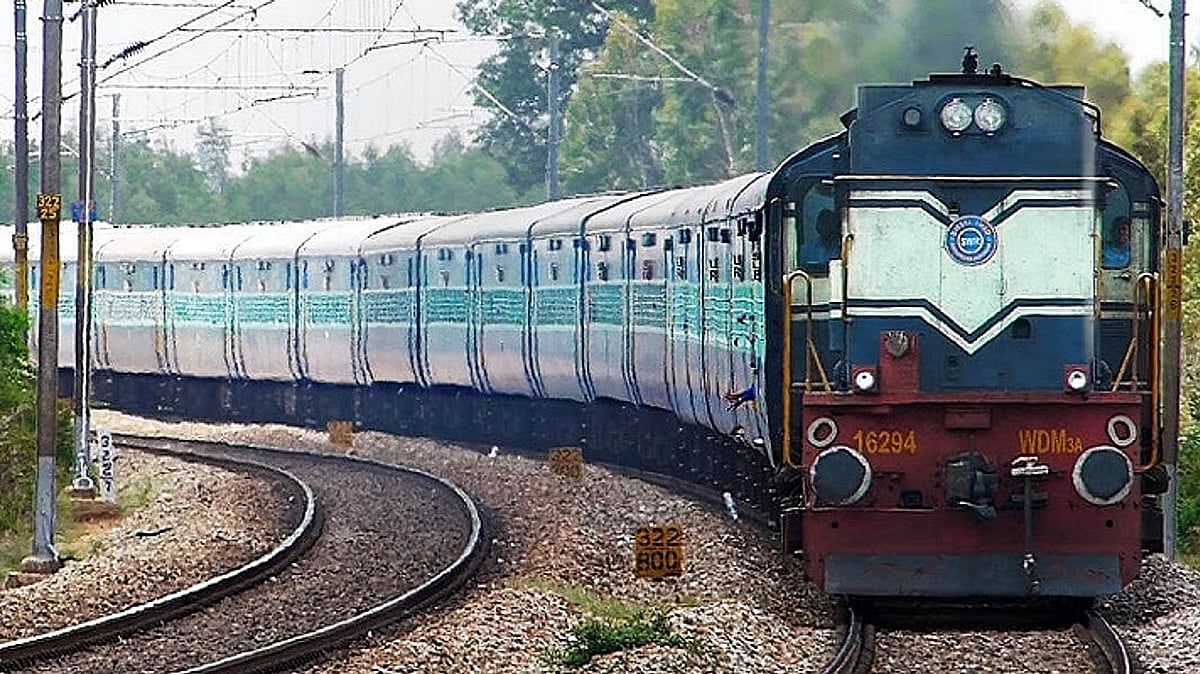
Central Railway Plants Vetiver Grass On Kasara-Igatpuri Route
Vetiver grass planted to curb soil erosion, enhance railway safety. Experimental project on 4,250 sqm area.
'%3E%3Crect%20width%3D'96'%20height%3D'96'%20fill%3D'%23B3261E'%2F%3E%3Ccircle%20cx%3D'30'%20cy%3D'24'%20r%3D'44'%20fill%3D'%23fff'%20opacity%3D'.12'%2F%3E%3Ccircle%20cx%3D'60'%20cy%3D'74'%20r%3D'40'%20fill%3D'%23000'%20opacity%3D'.10'%2F%3E%3C%2Fg%3E%3Cg%20fill%3D'%23fff'%3E%3Crect%20x%3D'29'%20y%3D'49'%20width%3D'8'%20height%3D'19'%20rx%3D'1'%2F%3E%3Crect%20x%3D'39'%20y%3D'40'%20width%3D'9'%20height%3D'28'%20rx%3D'1'%2F%3E%3Crect%20x%3D'50'%20y%3D'45'%20width%3D'8'%20height%3D'23'%20rx%3D'1'%2F%3E%3Crect%20x%3D'60'%20y%3D'53'%20width%3D'7'%20height%3D'15'%20rx%3D'1'%2F%3E%3Crect%20x%3D'41'%20y%3D'34'%20width%3D'5'%20height%3D'6'%2F%3E%3C%2Fg%3E%3C%2Fsvg%3E)
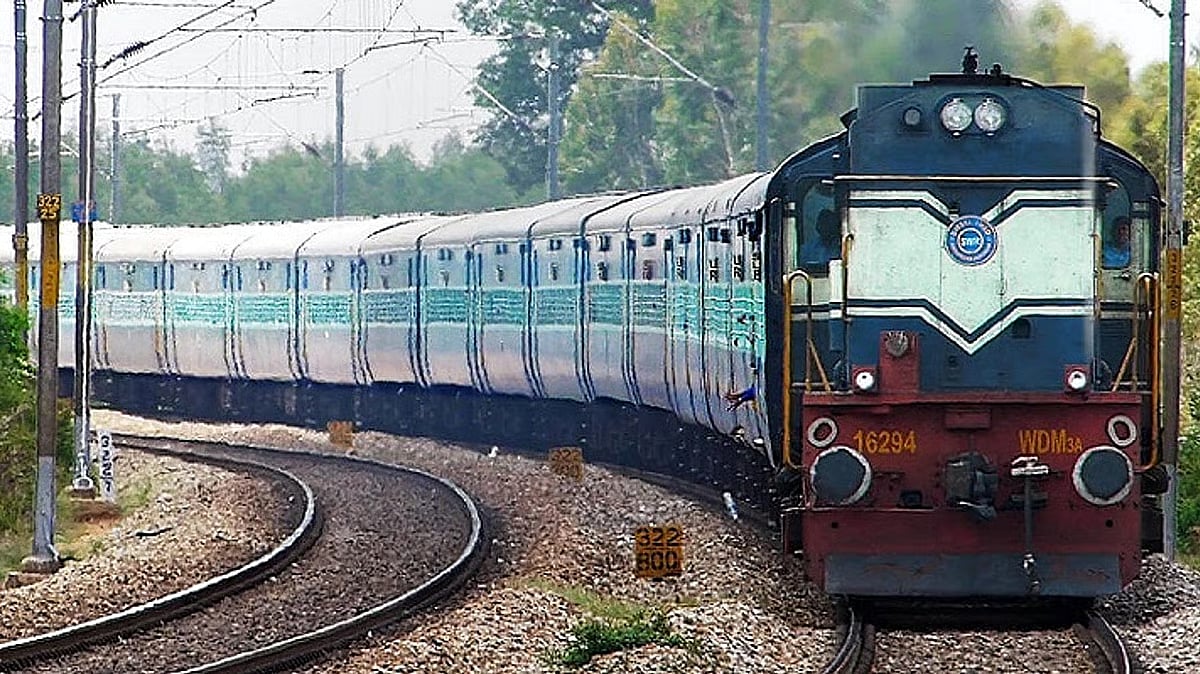
Central Railway has initiated an experimental project to plant vetiver grass along the Kasara-Igatpuri route to prevent soil erosion and enhance the safety of railway operations. The project, which covers an area of 4,250 square metres, aims to assess the effectiveness of vetiver bioengineering in improving slope stability.
The Kasara-Igatpuri section, located in the Thal Ghat, is prone to soil erosion, rapid water flow, and landslides during the monsoon season, posing significant challenges to railway operations. To address this issue, Central Railway is exploring the use of vetiver grass, a globally recognized bioengineering plant, to stabilize slopes naturally.
Vetiver grass has a deep root system that grows up to three to four metres within 12 to 24 months, binding and holding the soil together. The grass also slows down surface water flow, traps sediment, and helps prevent erosion on slopes. According to railway officials, the deep root system of vetiver grass can increase the soil's shear resistance by around 30% to 40%.
The plantation has been undertaken along the mid-line in the Thakurwadi Cabin-Palsdari section of the Kasara-Igatpuri route. Vetiver hedges are being planted along contour lines on slopes and embankments in the ghat section. The dense foliage of the grass reduces the speed of flowing water, preventing the formation of gullies and improving water infiltration into the soil.
The use of vetiver grass is a nature-based solution that is being assessed alongside conventional engineering measures to improve slope stability. The project's success could lead to the adoption of vetiver bioengineering as a cost-effective and environmentally friendly solution to prevent soil erosion and enhance railway safety.
The Thal Ghat section is a critical part of the Central Railway network, and the safety of railway operations is of paramount importance. The experimental project to plant vetiver grass is a significant step towards addressing the challenges posed by soil erosion and landslides in the region.
In the long term, the project could contribute to the stability of slopes and safer railway operations, reducing the risk of accidents and disruptions to train services. The use of vetiver grass could also serve as a model for other railway sections prone to soil erosion and landslides, promoting a more sustainable and environmentally friendly approach to railway maintenance.
The success of the project will depend on the effectiveness of vetiver grass in improving slope stability and preventing soil erosion. If successful, the project could lead to the widespread adoption of vetiver bioengineering in railway maintenance, enhancing the safety and reliability of train services.
In conclusion, the experimental project to plant vetiver grass along the Kasara-Igatpuri route is a significant initiative by Central Railway to address the challenges posed by soil erosion and landslides. The project's success could lead to the adoption of a cost-effective and environmentally friendly solution to enhance railway safety and promote sustainable railway maintenance.
The project is a testament to the railway's commitment to safety and sustainability, and its success could have far-reaching implications for railway maintenance and operations. As the project progresses, it will be important to monitor its effectiveness and assess its potential for widespread adoption.
The use of vetiver grass is a promising solution to prevent soil erosion and enhance railway safety. The project's success could lead to a significant reduction in the risk of accidents and disruptions to train services, promoting a safer and more reliable railway network.
In the context of railway safety, the project is a significant step towards addressing the challenges posed by soil erosion and landslides. The use of vetiver grass could serve as a model for other railway sections prone to soil erosion and landslides, promoting a more sustainable and environmentally friendly approach to railway maintenance.
The project's significance extends beyond the railway sector, highlighting the importance of sustainable and environmentally friendly solutions to address infrastructure challenges. The use of vetiver grass could serve as a model for other industries, promoting a more sustainable and environmentally friendly approach to maintenance and operations.
In the broader context of railway operations, the project is a significant initiative by Central Railway to enhance safety and promote sustainability. The project's success could lead to the widespread adoption of vetiver bioengineering in railway maintenance, enhancing the safety and reliability of train services.
The project is a testament to the railway's commitment to safety and sustainability, and its success could have far-reaching implications for railway maintenance and operations. As the project progresses, it will be important to monitor its effectiveness and assess its potential for widespread adoption.
The significance of the project lies in its potential to promote a more sustainable and environmentally friendly approach to railway maintenance. The use of vetiver grass could serve as a model for other railway sections prone to soil erosion and landslides, highlighting the importance of nature-based solutions to address infrastructure challenges.
In conclusion, the experimental project to plant vetiver grass along the Kasara-Igatpuri route is a significant initiative by Central Railway to address the challenges posed by soil erosion and landslides. The project's success could lead to the adoption of a cost-effective and environmentally friendly solution to enhance railway safety and promote sustainable railway maintenance.
What it means for Mumbai and India is that the project could lead to the widespread adoption of vetiver bioengineering in railway maintenance, enhancing the safety and reliability of train services. The project's success could also promote a more sustainable and environmentally friendly approach to railway maintenance, highlighting the importance of nature-based solutions to address infrastructure challenges.
Frequently asked questions
What is the purpose of planting vetiver grass on the Kasara-Igatpuri route?
The purpose is to prevent soil erosion and enhance railway safety.
How much area has been covered by the vetiver grass plantation?
The plantation covers an area of 4,250 square metres.