Ayodhya Ram Temple Donation Theft: Ex-Trust Member May Face Action
Dr Anil Mishra under scrutiny, SIT report pending. Alleged theft despite supervisory knowledge.
'%3E%3Crect%20width%3D'96'%20height%3D'96'%20fill%3D'%231A5276'%2F%3E%3Ccircle%20cx%3D'30'%20cy%3D'24'%20r%3D'44'%20fill%3D'%23fff'%20opacity%3D'.12'%2F%3E%3Ccircle%20cx%3D'60'%20cy%3D'74'%20r%3D'40'%20fill%3D'%23000'%20opacity%3D'.10'%2F%3E%3C%2Fg%3E%3Cg%20fill%3D'%23fff'%3E%3Cpath%20d%3D'M31%2041%20L48%2031%20L65%2041%20Z'%2F%3E%3Crect%20x%3D'33'%20y%3D'43'%20width%3D'4'%20height%3D'17'%2F%3E%3Crect%20x%3D'41'%20y%3D'43'%20width%3D'4'%20height%3D'17'%2F%3E%3Crect%20x%3D'51'%20y%3D'43'%20width%3D'4'%20height%3D'17'%2F%3E%3Crect%20x%3D'59'%20y%3D'43'%20width%3D'4'%20height%3D'17'%2F%3E%3Crect%20x%3D'30'%20y%3D'62'%20width%3D'36'%20height%3D'4'%20rx%3D'1'%2F%3E%3C%2Fg%3E%3C%2Fsvg%3E)

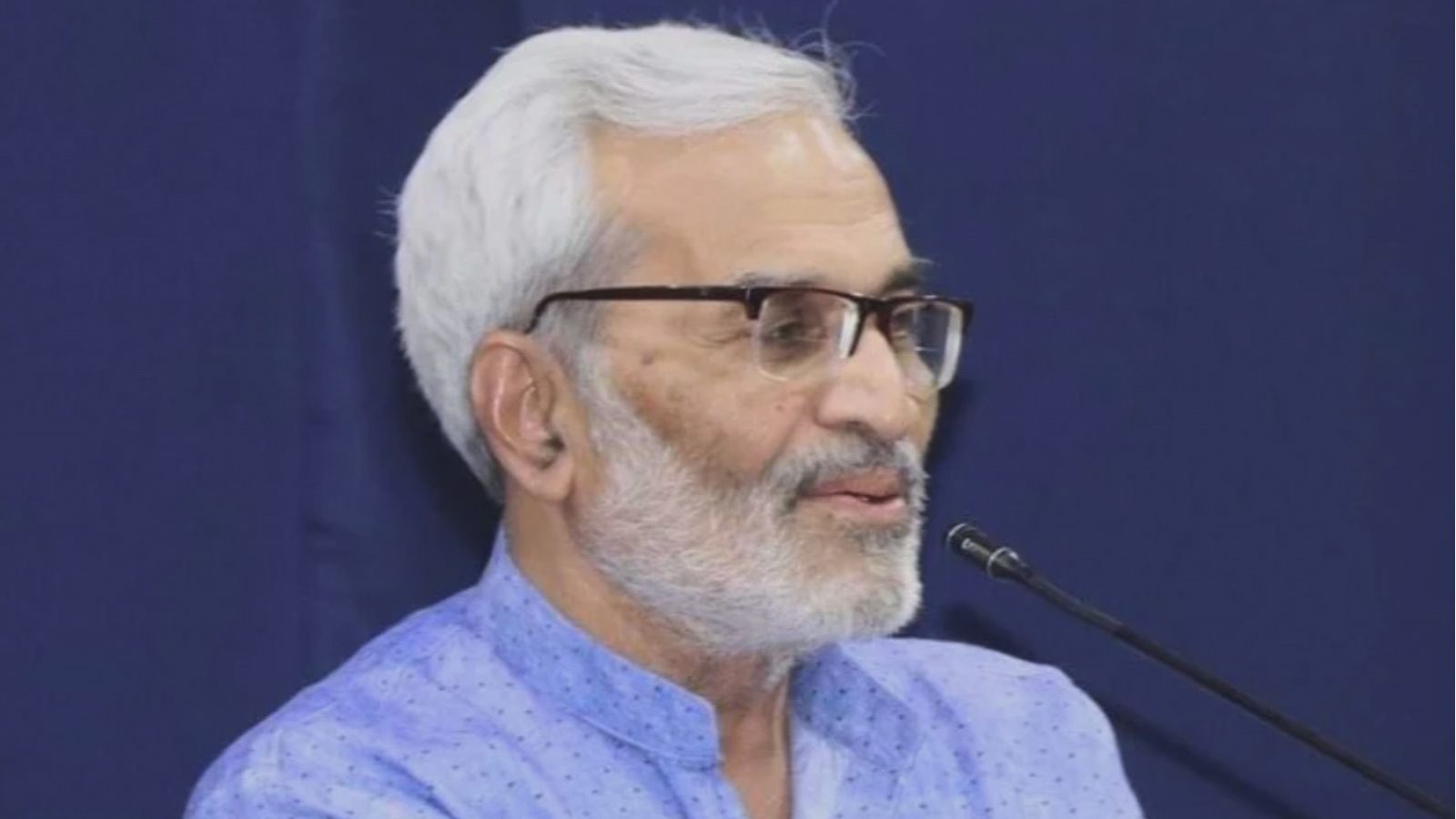
A significant development has emerged in the Ayodhya Ram Temple donation theft case, with former Shri Ram Janmabhoomi Teerth Kshetra Trust member Dr Anil Mishra likely to face legal action. This comes after the Special Investigation Team (SIT) conducted a detailed probe into the alleged irregularities.
According to sources associated with the investigation, the SIT has examined the role of several Trust functionaries, including Dr Mishra, and gathered material that has placed him under scrutiny. It is alleged that a large number of employees engaged at the temple were appointed on his recommendation.
The probe has also examined the alleged role of supervisory officials, with sources suggesting that the alleged theft continued despite the knowledge of those responsible for supervising the donation counting process. This has led the investigation team to examine Dr Mishra's alleged complicity in the matter.
However, the investigation has not found material warranting criminal action against former Trust General Secretary Champat Rai. Neither the preliminary inquiry nor the detailed investigation has indicated his involvement in the alleged theft. Instead, sources say that Champat Rai may face administrative action, with his resignation from the Trust already accepted.
The SIT was expected to complete its detailed investigation by July 15, but the report is yet to be submitted to the Uttar Pradesh government. There is speculation that the investigation team has sought additional time to complete the exercise.
The investigation has already led to the registration of an FIR, which named several individuals as accused, including Tinnu Yadav, Subhash Srivastava, and others. Although Dr Mishra's name surfaced during the inquiry, he was not named in the FIR. However, sources say that the list of accused could expand after the final report is submitted, with additional names, including those of Dr Mishra and some bank officials and employees, likely to be considered if the available evidence supports such action.
The SIT has also recommended significant changes to the donation counting system to improve transparency. These include deploying only regular bank employees for counting offerings, rotating their duties every 15 days, and appointing a bank official to oversee the process.
The Ayodhya Ram Temple donation theft case has sparked widespread concern and outrage, with many calling for greater transparency and accountability in the management of temple donations. The SIT's report is eagerly awaited, and its findings are likely to have significant implications for the Trust and its members.
In the context of the case, it is worth noting that the Shri Ram Janmabhoomi Teerth Kshetra Trust is responsible for the management and construction of the Ram Temple in Ayodhya. The Trust has been entrusted with the task of collecting donations for the temple's construction, and it is alleged that some of these donations have been misappropriated.
The case highlights the need for greater transparency and accountability in the management of religious institutions and their finances. It also underscores the importance of ensuring that donations are used for their intended purpose, rather than being misappropriated for personal gain.
In conclusion, the Ayodhya Ram Temple donation theft case is a significant development that has sparked widespread concern and outrage. The SIT's report is eagerly awaited, and its findings are likely to have significant implications for the Trust and its members. The case highlights the need for greater transparency and accountability in the management of religious institutions and their finances, and it is likely to have a lasting impact on the way in which temple donations are managed in the future.
The outcome of the case will be closely watched, and it is likely to have significant implications for the Trust and its members. The case is a reminder of the importance of ensuring that donations are used for their intended purpose, rather than being misappropriated for personal gain. It also highlights the need for greater transparency and accountability in the management of religious institutions and their finances.
The investigation into the Ayodhya Ram Temple donation theft case is ongoing, and it is likely to take some time before the final report is submitted. However, one thing is clear: the case has sparked widespread concern and outrage, and it is likely to have a lasting impact on the way in which temple donations are managed in the future.
The SIT's recommendations for improving transparency in the donation counting system are a step in the right direction. By deploying only regular bank employees for counting offerings, rotating their duties every 15 days, and appointing a bank official to oversee the process, the Trust can help to ensure that donations are used for their intended purpose.
In the end, the Ayodhya Ram Temple donation theft case is a reminder of the importance of transparency and accountability in the management of religious institutions and their finances. It is a significant development that has sparked widespread concern and outrage, and it is likely to have a lasting impact on the way in which temple donations are managed in the future.