Taslima Nasreen Returns To Kolkata After 19 Years
Exiled Bangladeshi writer Taslima Nasreen returns to Kolkata. She was forced to leave in 2003.
'%3E%3Crect%20width%3D'96'%20height%3D'96'%20fill%3D'%231A5276'%2F%3E%3Ccircle%20cx%3D'30'%20cy%3D'24'%20r%3D'44'%20fill%3D'%23fff'%20opacity%3D'.12'%2F%3E%3Ccircle%20cx%3D'60'%20cy%3D'74'%20r%3D'40'%20fill%3D'%23000'%20opacity%3D'.10'%2F%3E%3C%2Fg%3E%3Cg%20fill%3D'%23fff'%3E%3Cpath%20d%3D'M31%2041%20L48%2031%20L65%2041%20Z'%2F%3E%3Crect%20x%3D'33'%20y%3D'43'%20width%3D'4'%20height%3D'17'%2F%3E%3Crect%20x%3D'41'%20y%3D'43'%20width%3D'4'%20height%3D'17'%2F%3E%3Crect%20x%3D'51'%20y%3D'43'%20width%3D'4'%20height%3D'17'%2F%3E%3Crect%20x%3D'59'%20y%3D'43'%20width%3D'4'%20height%3D'17'%2F%3E%3Crect%20x%3D'30'%20y%3D'62'%20width%3D'36'%20height%3D'4'%20rx%3D'1'%2F%3E%3C%2Fg%3E%3C%2Fsvg%3E)
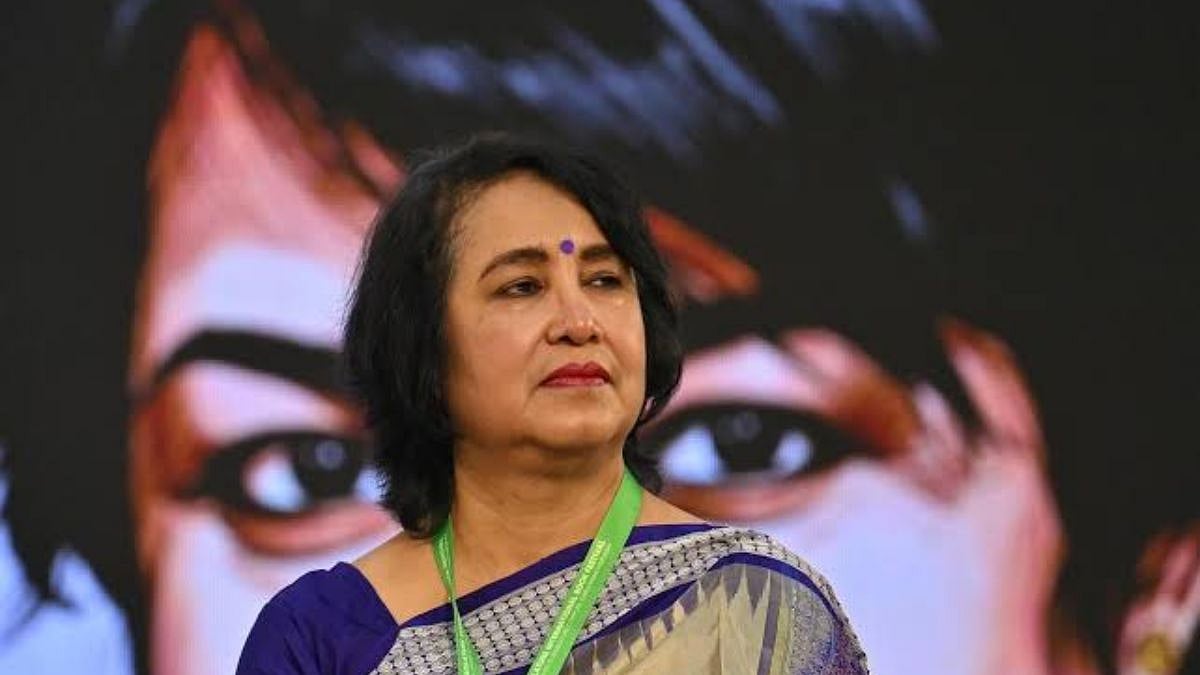
Taslima Nasreen, a prominent Bangladeshi writer, has made an emotional return to Kolkata after 19 years. She arrived at the Netaji Subhash Chandra Bose International Airport on Friday, marking a significant moment for the city and its literary community.
Nasreen was forced to leave Kolkata in 2003 due to protests over her memoir, Dwikhondito, which was banned by the then-ruling CPM government for allegedly hurting religious sentiments. The 63-year-old writer now lives in Delhi on a long-term residence permit.
During her visit, Nasreen will attend a programme protesting fundamentalism at Rabindra Sadan on Saturday, where she will recite some of her poems and take part in a discussion. The event is also expected to be attended by Bengal Chief Minister Suvendu Adhikari and renowned author Shirshendu Mukhopadhyay. A civic reception will be held in her honour, marking a significant gesture of respect and appreciation for her work.
The BJP has welcomed Nasreen's return, with MLA Saurav Sikdar stating that her visit is a testament to the city's commitment to free speech. He criticized the previous government's appeasement politics, which had prevented Nasreen from visiting the city earlier.
Nasreen's return to Kolkata has sparked hopes that she will be able to visit the city freely in the future. She expressed her desire to make this visit a regular occurrence, rather than a one-off event. Her presence in the city is seen as a significant moment for the literary community, and her participation in the programme protesting fundamentalism is expected to spark important discussions and debates.
The city's response to Nasreen's return has been overwhelmingly positive, with many hailing her as a symbol of free speech and intellectual freedom. Her visit is a reminder of the importance of protecting and promoting these values, and the city's literary community is eager to engage with her and her work.
As Nasreen settles into her visit, she has expressed her appreciation for the city and its people. She stated that she is enjoying her time in Kolkata and is looking forward to participating in the programme and engaging with the city's literary community.
The significance of Nasreen's return to Kolkata cannot be overstated. It marks a significant moment for the city and its literary community, and is a testament to the power of free speech and intellectual freedom. As the city looks to the future, it is clear that Nasreen's visit will have a lasting impact, and will inspire important discussions and debates about the importance of protecting and promoting these values.
In the context of India's rich literary history, Nasreen's return to Kolkata is a reminder of the importance of promoting and protecting intellectual freedom. The city has a long tradition of embracing writers and intellectuals, and Nasreen's visit is a testament to this tradition. As the city continues to evolve and grow, it is clear that her visit will play an important role in shaping its literary and intellectual landscape.
In conclusion, Taslima Nasreen's return to Kolkata after 19 years is a significant moment for the city and its literary community. Her participation in the programme protesting fundamentalism and her engagement with the city's literary community are expected to spark important discussions and debates, and her presence is a reminder of the importance of protecting and promoting free speech and intellectual freedom.
Frequently asked questions
Why was Taslima Nasreen forced to leave Kolkata in 2003
She was forced to leave due to protests over her memoir, Dwikhondito, which was banned by the then-ruling CPM government for allegedly hurting religious sentiments.
What is Taslima Nasreen's current residence
She currently lives in Delhi on a long-term residence permit.