Disasters Strike on 26th
Natural disasters hit India and Nepal on 26th. What's the connection?
'%3E%3Crect%20width%3D'96'%20height%3D'96'%20fill%3D'%23B3261E'%2F%3E%3Ccircle%20cx%3D'30'%20cy%3D'24'%20r%3D'44'%20fill%3D'%23fff'%20opacity%3D'.12'%2F%3E%3Ccircle%20cx%3D'60'%20cy%3D'74'%20r%3D'40'%20fill%3D'%23000'%20opacity%3D'.10'%2F%3E%3C%2Fg%3E%3Cg%20fill%3D'%23fff'%3E%3Crect%20x%3D'29'%20y%3D'49'%20width%3D'8'%20height%3D'19'%20rx%3D'1'%2F%3E%3Crect%20x%3D'39'%20y%3D'40'%20width%3D'9'%20height%3D'28'%20rx%3D'1'%2F%3E%3Crect%20x%3D'50'%20y%3D'45'%20width%3D'8'%20height%3D'23'%20rx%3D'1'%2F%3E%3Crect%20x%3D'60'%20y%3D'53'%20width%3D'7'%20height%3D'15'%20rx%3D'1'%2F%3E%3Crect%20x%3D'41'%20y%3D'34'%20width%3D'5'%20height%3D'6'%2F%3E%3C%2Fg%3E%3C%2Fsvg%3E)
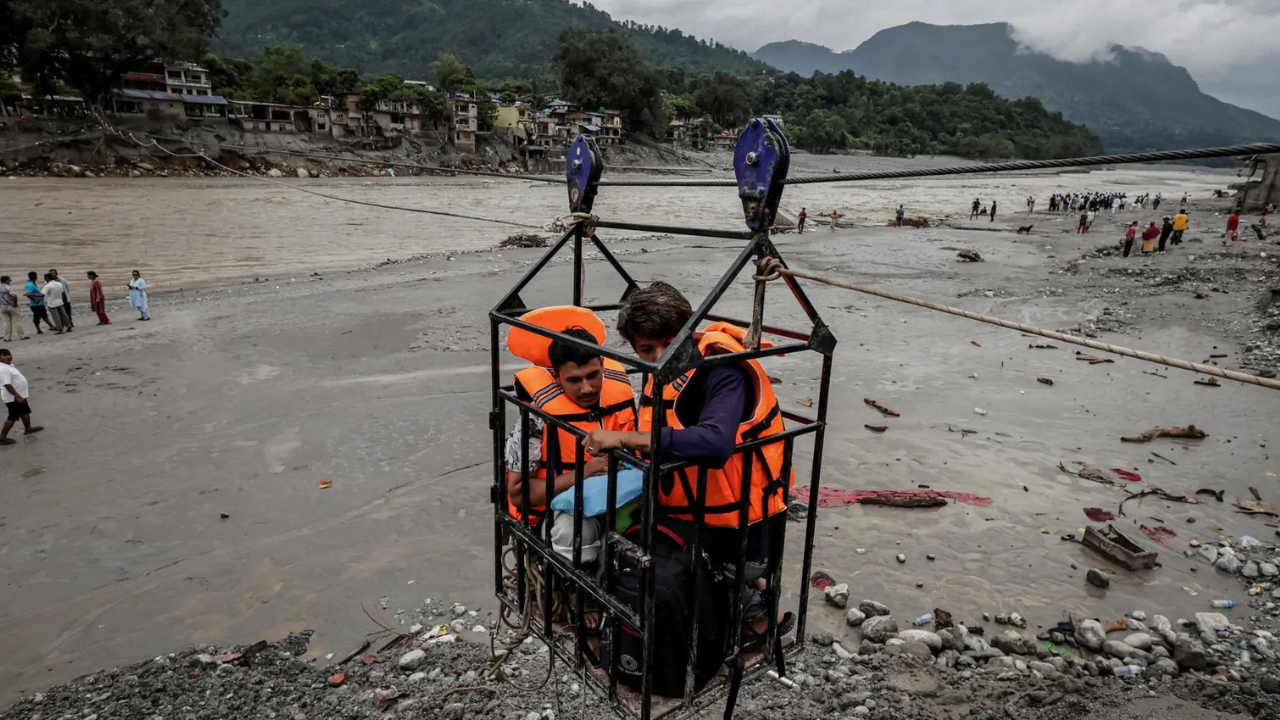
A pattern has emerged where several natural disasters have occurred on the 26th of a month. The Gujarat earthquake, which struck on January 26, 2001, is one such example. Similarly, Nepal experienced severe floods on August 26, 2017. Other disasters like the Indian Ocean tsunami on December 26, 2004, and Cyclone Ockhi on December 26, 2017, have also occurred on this date.
The Gujarat earthquake, which had a magnitude of 7.7, resulted in widespread destruction and loss of life. The Nepal floods, on the other hand, affected several districts and caused significant damage to infrastructure.
While the connection between these disasters and the date 26 is unclear, it is worth noting that natural disasters can occur at any time and are often unpredictable. The Indian Ocean tsunami, which affected several countries in Southeast Asia, is another example of a disaster that occurred on December 26.
In recent years, India has experienced several natural disasters, including floods, droughts, and cyclones. The country's geographical location makes it prone to such disasters, and it is essential for the government and citizens to be prepared.
The significance of the date 26 in relation to natural disasters is still a topic of discussion among experts. Some believe that it may be a coincidence, while others think that there could be a underlying pattern.
As India and other countries in the region continue to experience natural disasters, it is crucial to focus on disaster preparedness and mitigation. This includes implementing early warning systems, conducting evacuation drills, and providing support to affected communities.
In conclusion, the occurrence of natural disasters on the 26th of a month is a phenomenon that warrants further study and discussion. While the connection between these disasters and the date is unclear, it is essential to prioritize disaster preparedness and mitigation to minimize the impact of such events.
The pattern of disasters on the 26th is a reminder of the importance of being prepared for natural calamities. It is crucial for governments and citizens to work together to reduce the risk of disasters and provide support to affected communities.
The date 26 has become a significant one in the context of natural disasters in India and Nepal. As the region continues to experience such events, it is essential to focus on disaster management and mitigation.
The impact of natural disasters on communities can be devastating, and it is crucial to provide support to those affected. The occurrence of disasters on the 26th is a reminder of the importance of being prepared and taking proactive measures to mitigate the impact of such events.
In the end, the connection between natural disasters and the date 26 remains a mystery. However, one thing is clear - disaster preparedness and mitigation are essential to reducing the impact of such events.
Frequently asked questions
What is the significance of the date 26 in relation to natural disasters?
The significance of the date 26 is still a topic of discussion among experts, with some believing it may be a coincidence and others thinking there could be an underlying pattern.
What are some examples of natural disasters that occurred on the 26th?
Examples include the Gujarat earthquake, Nepal floods, Indian Ocean tsunami, and Cyclone Ockhi.