Dogs Travelled with Humans Across Eurasia
Dogs accompanied humans for thousands of years, DNA reveals. Ancient canine migration traced.
'%3E%3Crect%20width%3D'96'%20height%3D'96'%20fill%3D'%23B3261E'%2F%3E%3Ccircle%20cx%3D'30'%20cy%3D'24'%20r%3D'44'%20fill%3D'%23fff'%20opacity%3D'.12'%2F%3E%3Ccircle%20cx%3D'60'%20cy%3D'74'%20r%3D'40'%20fill%3D'%23000'%20opacity%3D'.10'%2F%3E%3C%2Fg%3E%3Cg%20fill%3D'%23fff'%3E%3Crect%20x%3D'29'%20y%3D'49'%20width%3D'8'%20height%3D'19'%20rx%3D'1'%2F%3E%3Crect%20x%3D'39'%20y%3D'40'%20width%3D'9'%20height%3D'28'%20rx%3D'1'%2F%3E%3Crect%20x%3D'50'%20y%3D'45'%20width%3D'8'%20height%3D'23'%20rx%3D'1'%2F%3E%3Crect%20x%3D'60'%20y%3D'53'%20width%3D'7'%20height%3D'15'%20rx%3D'1'%2F%3E%3Crect%20x%3D'41'%20y%3D'34'%20width%3D'5'%20height%3D'6'%2F%3E%3C%2Fg%3E%3C%2Fsvg%3E)
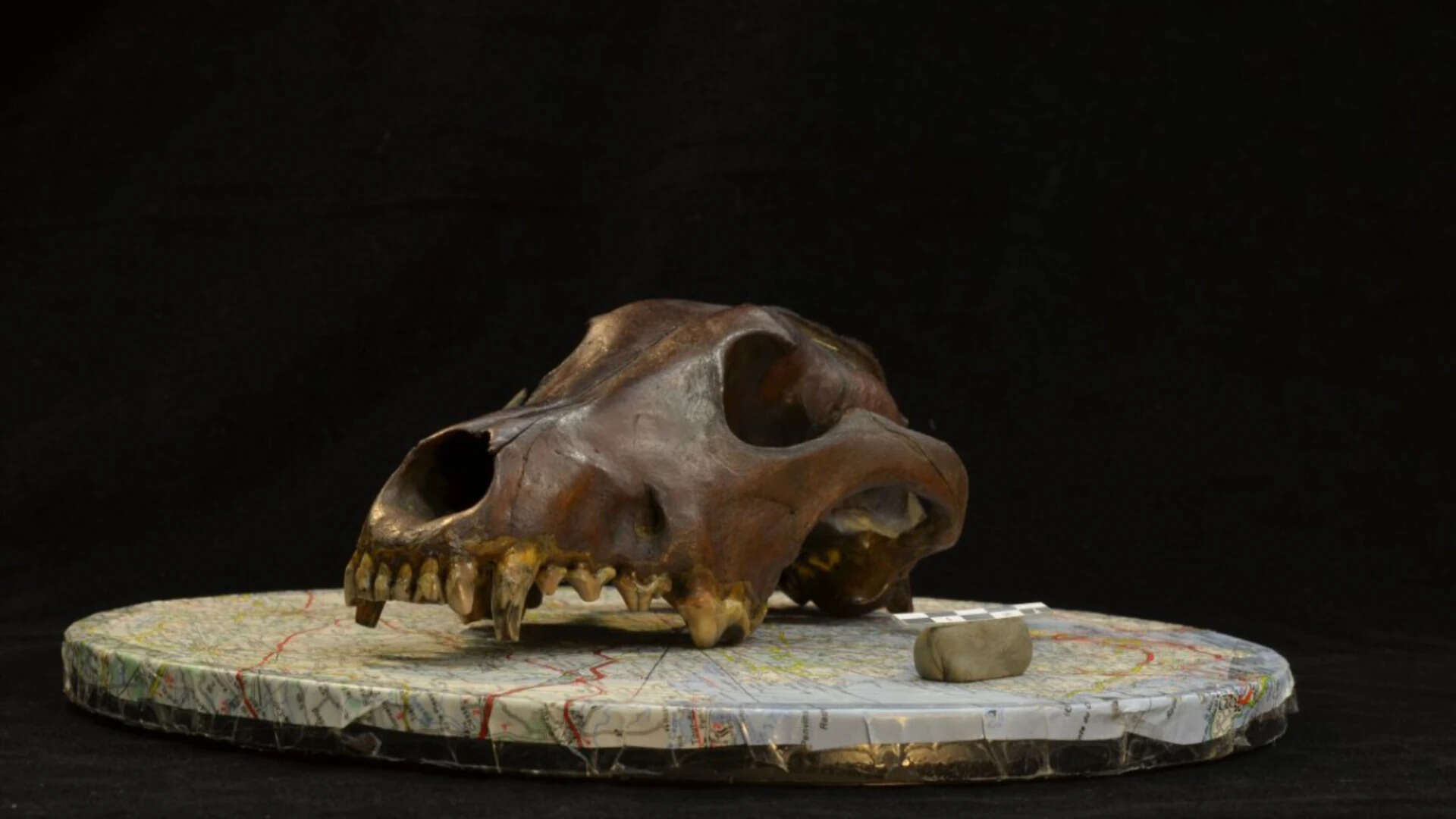
A recent study on dog DNA has shed light on the ancient migration patterns of dogs alongside humans across Eurasia. The research suggests that dogs have been travelling with humans for thousands of years, playing a significant role in human history.
The study analyzed dog DNA from various regions across Eurasia, tracing the migration patterns of ancient dogs. The findings indicate that dogs migrated with humans from the Middle East to Europe and Asia, forming a strong bond between the two species.
This ancient canine migration is believed to have occurred around 15,000 to 30,000 years ago, during the Late Pleistocene era. The dogs that migrated with humans were likely attracted to human camps and settlements, where they could scavenge for food and find shelter.
As humans migrated to new regions, dogs followed, adapting to new environments and forming new populations. The study found that modern dog breeds retain a significant amount of genetic diversity from their ancient ancestors, highlighting the complex history of dog domestication.
The research also suggests that dogs may have played a crucial role in human migration, serving as companions, hunters, and guardians. The bond between humans and dogs has been a long-standing one, with dogs providing loyalty and protection to their human counterparts.
The study's findings have significant implications for our understanding of human history and the role of dogs in shaping human societies. By analyzing dog DNA, researchers can gain insights into ancient human migration patterns, cultural exchange, and the development of human civilizations.
In conclusion, the study of dog DNA has revealed a fascinating story of ancient canine migration and the strong bond between humans and dogs. As we continue to explore the history of our species, the role of dogs in shaping human societies will remain an important area of research and study.
The findings of this study highlight the importance of dogs in human history and their continued presence in our lives today. As we move forward, it is essential to recognize the significance of dogs in our societies and to continue studying their role in shaping human cultures and civilizations.
The study's results have far-reaching implications for various fields, including anthropology, archaeology, and genetics. By examining the genetic history of dogs, researchers can gain a deeper understanding of human migration patterns, cultural exchange, and the development of human societies.
The research on dog DNA has opened up new avenues for exploration, and future studies will likely continue to uncover the complex and fascinating history of dogs and their relationship with humans.
The story of dogs and their migration with humans across Eurasia is a testament to the enduring bond between our species. As we continue to learn more about the history of dogs, we are reminded of the significant role they have played in shaping human societies and cultures.
The study of dog DNA has provided a unique window into the past, allowing us to glimpse the ancient migration patterns of dogs and their human counterparts. As we move forward, it is essential to continue exploring the history of dogs and their relationship with humans, recognizing the significant contributions they have made to our societies and cultures.
In the end, the story of dogs and their migration with humans serves as a reminder of the complex and fascinating history of our species. By continuing to study the genetic history of dogs, we can gain a deeper understanding of human migration patterns, cultural exchange, and the development of human societies, ultimately enriching our knowledge of the past and its significance for our present and future.
Frequently asked questions
When did dogs start migrating with humans?
The study suggests that dogs migrated with humans around 15,000 to 30,000 years ago, during the Late Pleistocene era.
What role did dogs play in human migration?
Dogs likely served as companions, hunters, and guardians, and may have played a crucial role in human migration and the development of human societies.