SC Rejects Abu Salem's Release Plea
Abu Salem's release plea rejected, maths error found
'%3E%3Crect%20width%3D'96'%20height%3D'96'%20fill%3D'%23B3261E'%2F%3E%3Ccircle%20cx%3D'30'%20cy%3D'24'%20r%3D'44'%20fill%3D'%23fff'%20opacity%3D'.12'%2F%3E%3Ccircle%20cx%3D'60'%20cy%3D'74'%20r%3D'40'%20fill%3D'%23000'%20opacity%3D'.10'%2F%3E%3C%2Fg%3E%3Cg%20fill%3D'%23fff'%3E%3Crect%20x%3D'29'%20y%3D'49'%20width%3D'8'%20height%3D'19'%20rx%3D'1'%2F%3E%3Crect%20x%3D'39'%20y%3D'40'%20width%3D'9'%20height%3D'28'%20rx%3D'1'%2F%3E%3Crect%20x%3D'50'%20y%3D'45'%20width%3D'8'%20height%3D'23'%20rx%3D'1'%2F%3E%3Crect%20x%3D'60'%20y%3D'53'%20width%3D'7'%20height%3D'15'%20rx%3D'1'%2F%3E%3Crect%20x%3D'41'%20y%3D'34'%20width%3D'5'%20height%3D'6'%2F%3E%3C%2Fg%3E%3C%2Fsvg%3E)
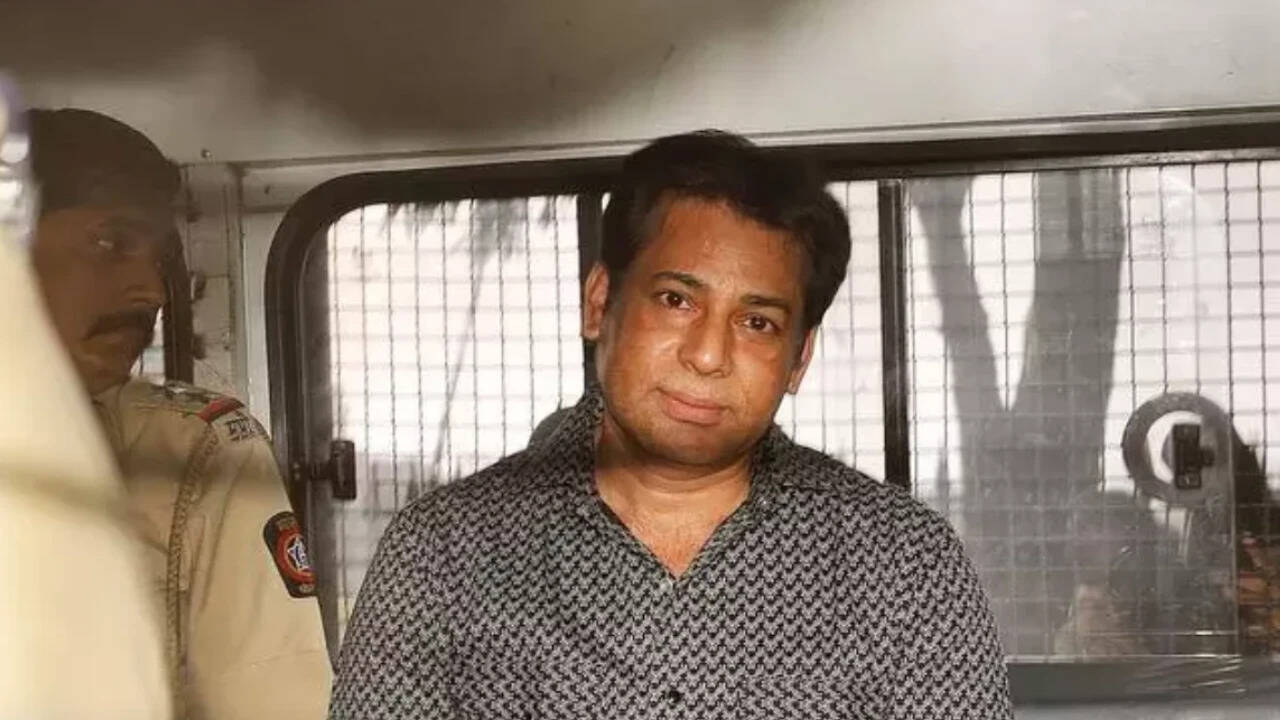
The Supreme Court has rejected Abu Salem's plea for release, citing an error in his calculation of the sentence served.
Abu Salem, a convicted gangster, had filed a plea seeking his release from prison, claiming that he had completed his sentence. However, the Supreme Court found that his maths was incorrect, and he had not served the full term of his sentence.
The court's decision was based on a thorough review of Salem's sentence and the time he had spent in prison. The judges found that Salem's calculation of his sentence was flawed, and he still had to serve a significant amount of time.
Abu Salem was convicted in 2017 for his role in the 1993 Mumbai blasts, which killed over 250 people and injured many more. He was sentenced to life imprisonment, but his lawyers had argued that he should be released due to the time he had already spent in prison.
The Supreme Court's decision is a significant setback for Salem, who had hoped to be released from prison after serving over two decades. The court's ruling is also a reminder that the justice system will not tolerate errors or inaccuracies in calculations, especially when it comes to the sentencing of convicted criminals.
The 1993 Mumbai blasts were a series of coordinated bombings that targeted various locations in the city, including the Bombay Stock Exchange and the Air India building. The blasts were carried out by a group of terrorists, including Abu Salem, who were linked to the underworld don Dawood Ibrahim.
The investigation and trial of the Mumbai blasts case were complex and involved multiple agencies, including the Central Bureau of Investigation (CBI) and the Mumbai Police. The case was widely reported in the media, and the verdict was seen as a significant milestone in the fight against terrorism.
The Supreme Court's decision to reject Abu Salem's release plea is a testament to the court's commitment to upholding the law and ensuring that justice is served. The decision is also a reminder that the justice system is designed to protect the rights of all individuals, including those who have been convicted of crimes.
In conclusion, the Supreme Court's rejection of Abu Salem's release plea is a significant development in the Mumbai blasts case. The decision is a reminder that the justice system will not tolerate errors or inaccuracies, and that convicted criminals will be held accountable for their actions.
Frequently asked questions
Why was Abu Salem's release plea rejected?
Abu Salem's release plea was rejected due to an error in his calculation of the sentence served.
What was Abu Salem convicted of?
Abu Salem was convicted for his role in the 1993 Mumbai blasts.