Jamia Millia Islamia Relaxes Exam Rules
Final-year students with backlogs can now appear for compartment exams directly.

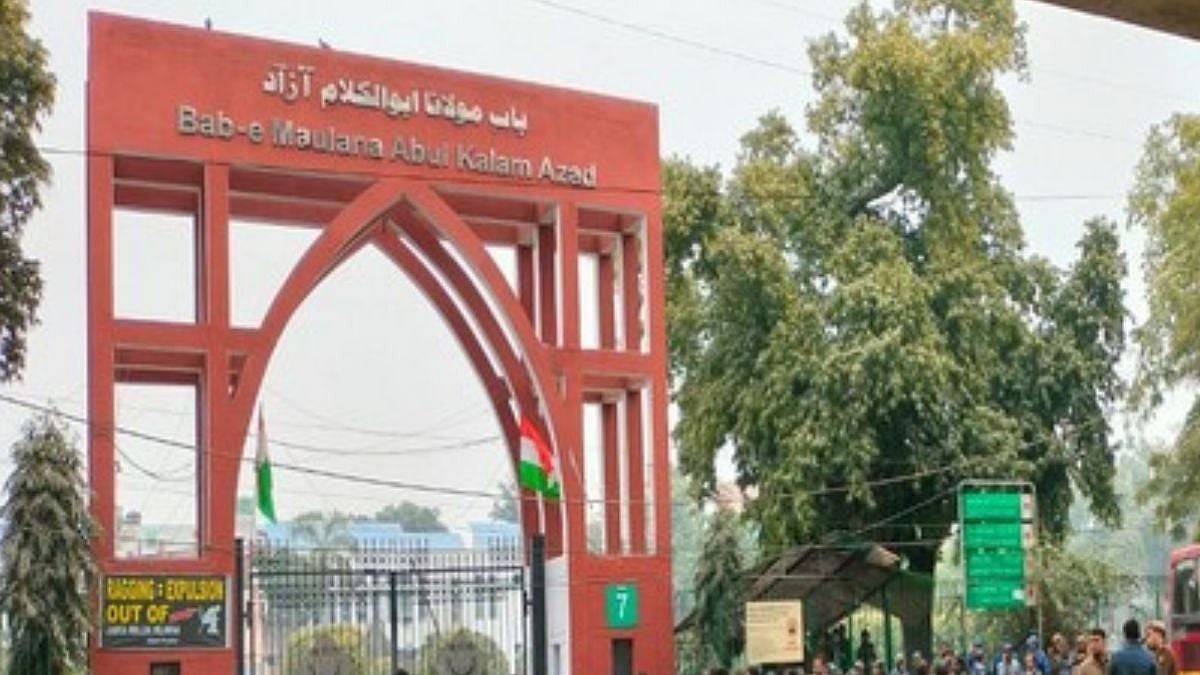
Jamia Millia Islamia has made a significant change to its examination rules, allowing final-year students with pending backlog papers to appear directly for compartment examinations. This decision, approved by the university's Executive Council, enables these students to complete their degrees without waiting for the next regular examination cycle.
The revised rules apply to final-semester or final-year students under the annual system who have backlog papers from any previous semester or year. These students will be eligible to appear in a compartment examination conducted after the final semester or final annual examination. The university will notify the dates for the compartment examination separately.
It's worth noting that this provision only applies to students enrolled in regular courses at the university. Students pursuing programmes through distance education will not be eligible for this facility. The university has also clarified that compartment examinations will generally not be conducted for courses operating under the carry-over system.
However, final-semester or final-year students will be allowed to appear in compartment examinations for backlog papers from any semester or year. This change is part of the amendment to Clause 24.4 of Ordinance-15. The Executive Council has also approved changes to the provisions relating to re-evaluation.
According to the amended Clause 23.1 of Ordinance-15, final-year students will have the option of appearing directly in the compartment examination instead of applying for re-evaluation of their answer scripts. This gives them more flexibility and options to complete their degrees. Students in other years will continue to be eligible to seek re-evaluation within 15 days of the declaration of results, in accordance with the existing procedure.
The decision to relax the exam rules is a significant development for final-year students at Jamia Millia Islamia. It acknowledges the challenges that students with backlogs face and provides them with an opportunity to complete their degrees in a timely manner. The university's move is expected to benefit a large number of students who were previously required to wait for the next regular examination cycle to clear their backlogs.
In the context of Indian higher education, this decision is notable. Many universities in India have strict exam rules that can make it difficult for students with backlogs to complete their degrees. By relaxing its exam rules, Jamia Millia Islamia is taking a student-friendly approach that prioritizes their needs and well-being.
The change in exam rules also reflects the university's commitment to providing its students with a supportive and flexible learning environment. By giving final-year students the option to appear directly in compartment examinations, the university is recognizing the importance of timely degree completion and the need to provide students with multiple pathways to success.
In conclusion, the decision by Jamia Millia Islamia to relax its exam rules is a significant development that is expected to benefit a large number of final-year students. The change in rules acknowledges the challenges that students with backlogs face and provides them with an opportunity to complete their degrees in a timely manner. This move is a positive step towards creating a more student-friendly and flexible learning environment at the university.
The implications of this decision are far-reaching, and it is likely to have a positive impact on the academic outcomes of final-year students at Jamia Millia Islamia. By providing students with more options and flexibility, the university is taking a significant step towards improving the overall quality of education and student experience.
Overall, the decision to relax the exam rules at Jamia Millia Islamia is a welcome move that is expected to benefit a large number of students. It reflects the university's commitment to providing a supportive and flexible learning environment and acknowledges the importance of timely degree completion.
This development is significant for students and educators alike, as it highlights the need for flexible and student-friendly exam rules in Indian higher education. By prioritizing the needs and well-being of its students, Jamia Millia Islamia is setting a positive example for other universities to follow.
In the broader context of Indian education, this decision is a reminder of the importance of creating a supportive and inclusive learning environment. By providing students with multiple pathways to success and acknowledging the challenges that they face, universities can play a critical role in promoting academic success and student well-being.
The decision by Jamia Millia Islamia to relax its exam rules is a significant step towards creating a more student-friendly and flexible learning environment. It is expected to have a positive impact on the academic outcomes of final-year students and highlights the need for universities to prioritize the needs and well-being of their students.
What this means for students and educators is that there is a growing recognition of the importance of flexible and student-friendly exam rules in Indian higher education. By providing students with more options and flexibility, universities can promote academic success and student well-being, and create a more supportive and inclusive learning environment.
In conclusion, the decision by Jamia Millia Islamia to relax its exam rules is a significant development that is expected to benefit a large number of final-year students. It reflects the university's commitment to providing a supportive and flexible learning environment and acknowledges the importance of timely degree completion. This move is a positive step towards creating a more student-friendly and flexible learning environment at the university, and highlights the need for universities to prioritize the needs and well-being of their students.
The significance of this decision cannot be overstated, as it has the potential to improve the academic outcomes of final-year students and promote a more supportive and inclusive learning environment. By providing students with more options and flexibility, Jamia Millia Islamia is taking a significant step towards creating a more student-friendly university.
This development is a reminder that universities have a critical role to play in promoting academic success and student well-being. By prioritizing the needs and well-being of their students, universities can create a more supportive and inclusive learning environment that promotes academic success and student well-being.
In the end, the decision by Jamia Millia Islamia to relax its exam rules is a welcome move that is expected to benefit a large number of students. It reflects the university's commitment to providing a supportive and flexible learning environment and acknowledges the importance of timely degree completion. This move is a positive step towards creating a more student-friendly and flexible learning environment at the university, and highlights the need for universities to prioritize the needs and well-being of their students.
What it means for Mumbai or India is that there is a growing recognition of the importance of flexible and student-friendly exam rules in Indian higher education. By providing students with more options and flexibility, universities can promote academic success and student well-being, and create a more supportive and inclusive learning environment.