Pilot Whale Found with 35,543 Plastic Pieces in Stomach
A pilot whale had massive plastic ingestion, thousands of fragments found, grave health risks
'%3E%3Crect%20width%3D'96'%20height%3D'96'%20fill%3D'%23B3261E'%2F%3E%3Ccircle%20cx%3D'30'%20cy%3D'24'%20r%3D'44'%20fill%3D'%23fff'%20opacity%3D'.12'%2F%3E%3Ccircle%20cx%3D'60'%20cy%3D'74'%20r%3D'40'%20fill%3D'%23000'%20opacity%3D'.10'%2F%3E%3C%2Fg%3E%3Cg%20fill%3D'%23fff'%3E%3Crect%20x%3D'29'%20y%3D'49'%20width%3D'8'%20height%3D'19'%20rx%3D'1'%2F%3E%3Crect%20x%3D'39'%20y%3D'40'%20width%3D'9'%20height%3D'28'%20rx%3D'1'%2F%3E%3Crect%20x%3D'50'%20y%3D'45'%20width%3D'8'%20height%3D'23'%20rx%3D'1'%2F%3E%3Crect%20x%3D'60'%20y%3D'53'%20width%3D'7'%20height%3D'15'%20rx%3D'1'%2F%3E%3Crect%20x%3D'41'%20y%3D'34'%20width%3D'5'%20height%3D'6'%2F%3E%3C%2Fg%3E%3C%2Fsvg%3E)
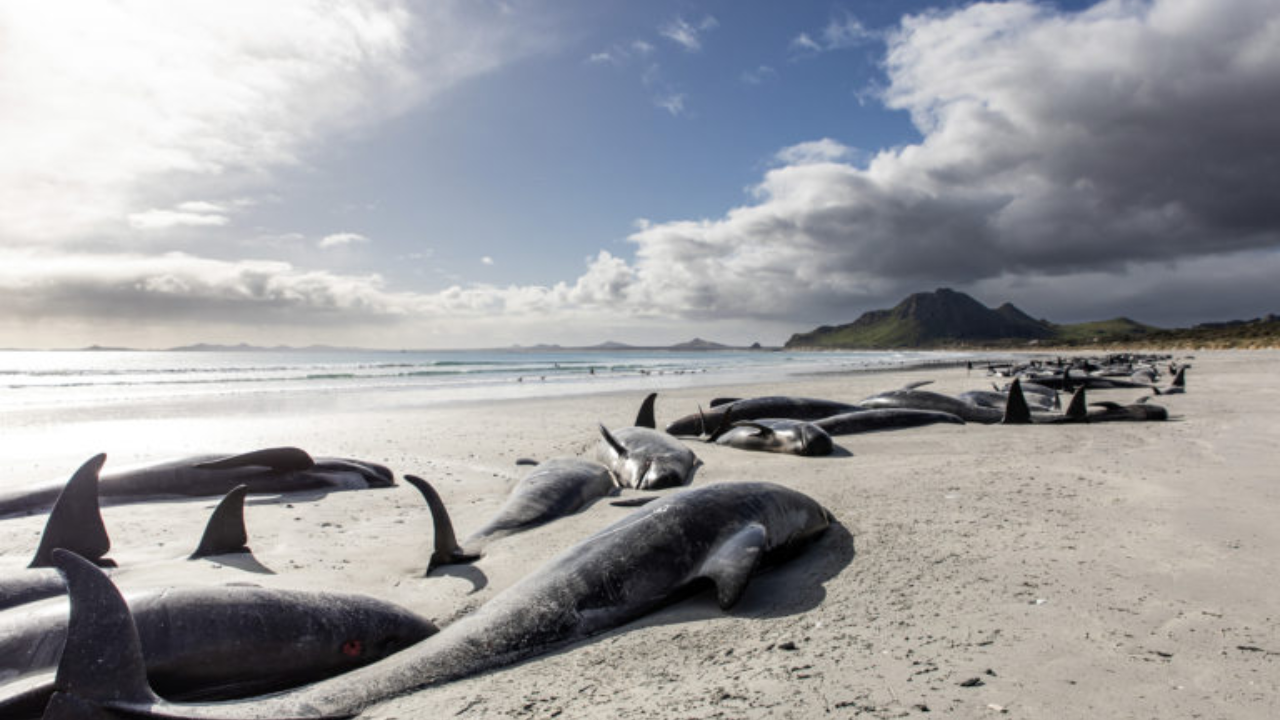
A recent study has revealed the devastating impact of plastic pollution on marine life in the Pacific. Researchers conducted a comprehensive thirteen-year study on pilot whales and found alarming amounts of synthetic debris in their stomachs. One pilot whale was found to have ingested a staggering 35,543 pieces of plastic, including discarded fishing nets and plastic bags.
The study highlights the grave long-term health risks that plastic pollution poses to these mammals. The ingestion of plastic fragments can cause blockages, nutrient deficiencies, and even death. The findings of the study underscore the critical need to combat ocean waste and reduce plastic pollution in marine ecosystems.
The Pacific Ocean is particularly vulnerable to plastic pollution due to its unique geography and ocean currents. The region is home to a vast array of marine life, including pilot whales, which are apex predators and play a crucial role in maintaining the balance of the ecosystem.
The study's findings are a wake-up call for governments, organizations, and individuals to take immediate action to reduce plastic waste and protect marine life. This can be achieved through measures such as reducing plastic use, increasing recycling, and implementing policies to prevent plastic pollution.
The impact of plastic pollution on marine life is not limited to pilot whales. Many other species, including sea turtles, fish, and seabirds, are also affected by the ingestion of plastic debris. The study's findings highlight the need for a comprehensive approach to addressing plastic pollution, including reducing plastic use, improving waste management, and promoting sustainable practices.
The study's authors emphasize the importance of international cooperation and collective action to address the global problem of plastic pollution. They call on governments, organizations, and individuals to work together to reduce plastic waste and protect marine life.
In conclusion, the study's findings are a stark reminder of the devastating impact of plastic pollution on marine life. The ingestion of thousands of plastic fragments by pilot whales is a grave concern that requires immediate attention and action. It is essential that we take collective action to reduce plastic waste and protect marine life, including pilot whales, to ensure the long-term health and sustainability of our oceans.
The study's results have significant implications for conservation efforts and highlight the need for continued research and monitoring of plastic pollution in marine ecosystems. By working together, we can reduce plastic waste and protect marine life, preserving the beauty and diversity of our oceans for future generations.
The critical need to combat ocean waste and reduce plastic pollution is a global concern that requires immediate attention and action. The study's findings serve as a reminder of the importance of protecting marine life and preserving the health of our oceans.
Frequently asked questions
What was found in the stomach of the pilot whale?
The pilot whale was found to have ingested 35,543 pieces of plastic, including discarded fishing nets and plastic bags.
What are the health risks associated with plastic pollution in pilot whales?
The ingestion of plastic fragments can cause blockages, nutrient deficiencies, and even death, posing grave long-term health risks to pilot whales.