India Launches Guide To Grasslands At UNCCD COP17
India's first guide on grasslands and open ecosystems launched. Highlights ecological significance.
'%3E%3Crect%20width%3D'96'%20height%3D'96'%20fill%3D'%23B3261E'%2F%3E%3Ccircle%20cx%3D'30'%20cy%3D'24'%20r%3D'44'%20fill%3D'%23fff'%20opacity%3D'.12'%2F%3E%3Ccircle%20cx%3D'60'%20cy%3D'74'%20r%3D'40'%20fill%3D'%23000'%20opacity%3D'.10'%2F%3E%3C%2Fg%3E%3Cg%20fill%3D'%23fff'%3E%3Crect%20x%3D'29'%20y%3D'49'%20width%3D'8'%20height%3D'19'%20rx%3D'1'%2F%3E%3Crect%20x%3D'39'%20y%3D'40'%20width%3D'9'%20height%3D'28'%20rx%3D'1'%2F%3E%3Crect%20x%3D'50'%20y%3D'45'%20width%3D'8'%20height%3D'23'%20rx%3D'1'%2F%3E%3Crect%20x%3D'60'%20y%3D'53'%20width%3D'7'%20height%3D'15'%20rx%3D'1'%2F%3E%3Crect%20x%3D'41'%20y%3D'34'%20width%3D'5'%20height%3D'6'%2F%3E%3C%2Fg%3E%3C%2Fsvg%3E)

India has launched its first comprehensive guide on grasslands and open natural ecosystems at the 17th Conference of the Parties (COP17) of the United Nations Convention to Combat Desertification (UNCCD) on August 17, 2026. The guide aims to improve understanding of grasslands and other open ecosystems, which cover large areas across India and support a diverse range of plants, animals and communities.
The guide highlights the ecological, economic and cultural importance of these often-overlooked landscapes. It includes information on savannas, scrublands, semi-arid regions, meadows and other naturally open habitats.
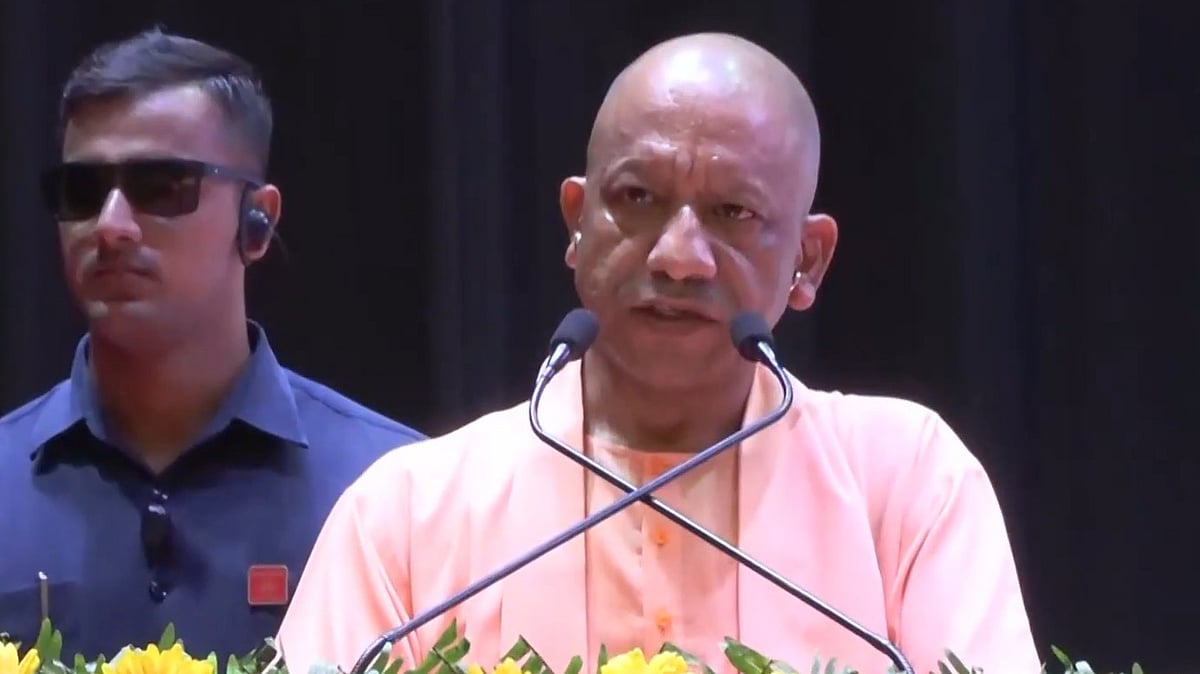
Union Cabinet Minister for Environment, Forest and Climate Change Bhupender Yadav virtually addressed the launch event and described the guide as an important step towards recognising India’s open natural ecosystems. He highlighted the diversity and distribution of India’s grasslands and open natural ecosystems, their ecological importance, and the role of their restoration in achieving India’s Land Degradation Neutrality targets.
Grasslands are often mistakenly viewed as degraded forests or wastelands. However, ecologists have emphasised that many open ecosystems are naturally occurring habitats with their own distinct biodiversity. They provide important ecosystem services, including carbon storage, soil conservation, groundwater recharge and support for pollinators and wildlife.
The guide also draws attention to species that depend on grassland habitats. Several threatened and specialised animals and birds rely on these ecosystems for food, shelter and breeding. The launch of the guide reaffirmed India’s commitment to a science-informed and landscape-based approach to land restoration and sustainable land management.
The guide is a significant step towards raising awareness about the importance of grasslands and open ecosystems in India. It will help to improve conservation efforts and promote sustainable management of these ecosystems.
The launch of the guide is also significant in the context of India’s commitment to achieving Land Degradation Neutrality. The country has set a target to restore 26 million hectares of degraded land by 2030. The guide will provide valuable information and guidance for policymakers, conservationists and communities working towards this goal.
In conclusion, the launch of India’s first comprehensive guide on grasslands and open natural ecosystems is a significant step towards promoting conservation and sustainable management of these ecosystems. It highlights the ecological significance of grasslands and the importance of preserving them for future generations.
The guide will be useful for a wide range of stakeholders, including policymakers, conservationists, researchers and communities. It will provide valuable information and guidance for promoting sustainable land management and achieving Land Degradation Neutrality in India.
Overall, the launch of the guide is a positive step towards raising awareness about the importance of grasslands and open ecosystems in India. It will help to promote conservation efforts and sustainable management of these ecosystems, and contribute to achieving India’s environmental goals.
The guide is a significant contribution to the global effort to combat desertification and land degradation. It will provide valuable insights and lessons for other countries working towards similar goals.
In the context of India’s environmental challenges, the guide is a timely and important initiative. It will help to promote sustainable land management and conservation of grasslands and open ecosystems, and contribute to achieving India’s environmental goals.
The launch of the guide is a significant milestone in India’s journey towards achieving environmental sustainability. It will provide valuable guidance and information for policymakers, conservationists and communities working towards this goal.
In conclusion, the launch of India’s first comprehensive guide on grasslands and open natural ecosystems is a significant step towards promoting conservation and sustainable management of these ecosystems. It highlights the ecological significance of grasslands and the importance of preserving them for future generations.
Frequently asked questions
What is the significance of grasslands in India?
Grasslands provide important ecosystem services, including carbon storage, soil conservation, groundwater recharge and support for pollinators and wildlife.
What is the goal of the guide on grasslands?
The guide aims to improve understanding of grasslands and other open ecosystems, and promote conservation and sustainable management of these ecosystems.