India Bets Rs 5,070 Crore on Floating Solar Power
India invests in floating solar power, a new renewable energy source. Can it power the next leap?
'%3E%3Crect%20width%3D'96'%20height%3D'96'%20fill%3D'%23B3261E'%2F%3E%3Ccircle%20cx%3D'30'%20cy%3D'24'%20r%3D'44'%20fill%3D'%23fff'%20opacity%3D'.12'%2F%3E%3Ccircle%20cx%3D'60'%20cy%3D'74'%20r%3D'40'%20fill%3D'%23000'%20opacity%3D'.10'%2F%3E%3C%2Fg%3E%3Cg%20fill%3D'%23fff'%3E%3Crect%20x%3D'29'%20y%3D'49'%20width%3D'8'%20height%3D'19'%20rx%3D'1'%2F%3E%3Crect%20x%3D'39'%20y%3D'40'%20width%3D'9'%20height%3D'28'%20rx%3D'1'%2F%3E%3Crect%20x%3D'50'%20y%3D'45'%20width%3D'8'%20height%3D'23'%20rx%3D'1'%2F%3E%3Crect%20x%3D'60'%20y%3D'53'%20width%3D'7'%20height%3D'15'%20rx%3D'1'%2F%3E%3Crect%20x%3D'41'%20y%3D'34'%20width%3D'5'%20height%3D'6'%2F%3E%3C%2Fg%3E%3C%2Fsvg%3E)
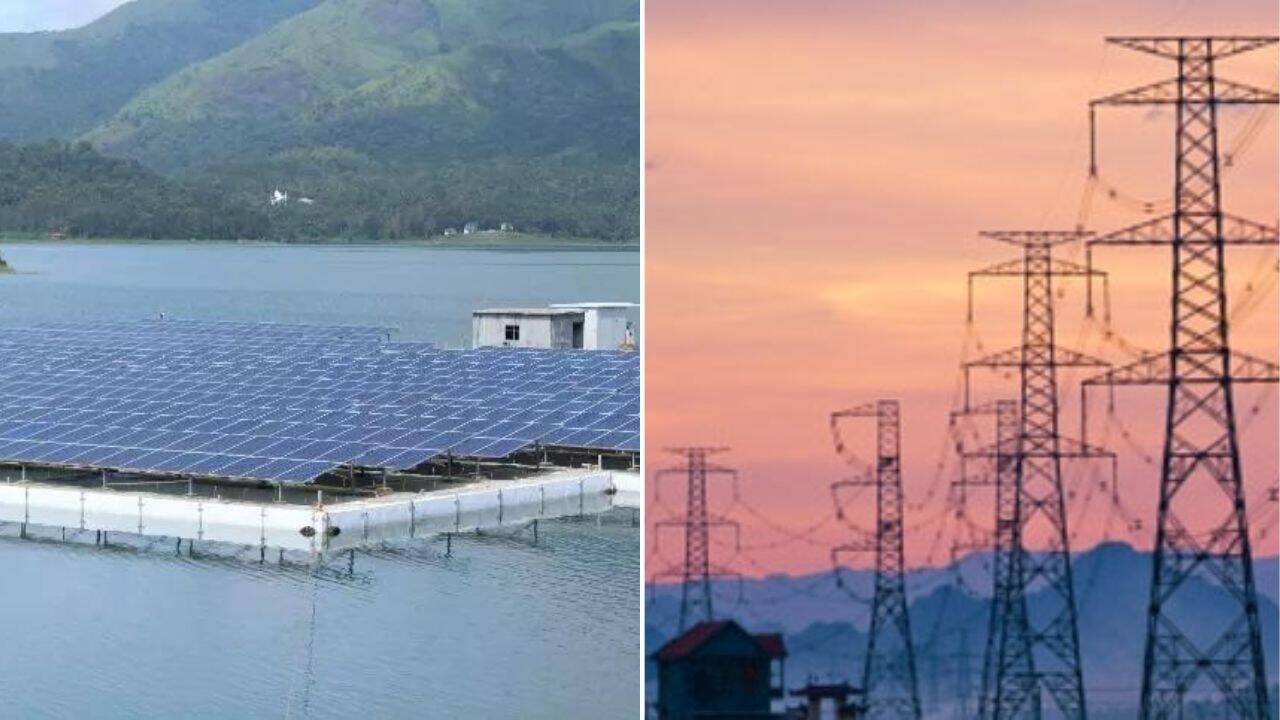
India has made a significant investment of Rs 5,070 crore in floating solar power, a relatively new and innovative source of renewable energy. This move is expected to play a crucial role in the country's transition to cleaner and more sustainable energy sources.
The concept of floating solar power involves installing solar panels on floating structures on water bodies, such as lakes, reservoirs, and rivers. This approach has several advantages, including the ability to utilize unused water surfaces and reduce land acquisition costs.
The Indian government has set ambitious targets for renewable energy, aiming to generate 40% of its power from non-fossil fuels by 2030. Floating solar power is expected to contribute significantly to this goal, with several projects already underway across the country.
One of the key benefits of floating solar power is its potential to reduce water evaporation from reservoirs, which can help conserve water and reduce the strain on the country's water resources. Additionally, floating solar panels can also help to reduce algae growth in water bodies, which can improve water quality.
However, the development of floating solar power also poses several challenges, including the need for specialized equipment and technology. The cost of installing and maintaining floating solar panels is also higher compared to traditional solar panels.
Despite these challenges, several companies and organizations are already investing in floating solar power in India. The country's largest power generator, NTPC, has announced plans to develop 10 GW of floating solar capacity in the next few years.
The growth of floating solar power in India is also expected to create new job opportunities and stimulate local economies. As the country continues to transition to cleaner energy sources, floating solar power is likely to play an increasingly important role in the years to come.
In conclusion, India's investment in floating solar power is a significant step towards achieving its renewable energy targets. While there are challenges to be addressed, the potential benefits of this technology make it an exciting and promising area of development for the country's energy sector.
The success of floating solar power in India will depend on several factors, including the development of cost-effective technologies and the creation of favorable policies and regulations. However, with the right support and investment, floating solar power could help power India's next renewable leap and contribute to a more sustainable energy future.
As the world's third-largest energy consumer, India's energy choices have significant implications for the global environment. The country's transition to cleaner energy sources is not only important for its own development but also for the health of the planet.
In the coming years, India's energy sector is expected to undergo significant changes, with a growing focus on renewable energy sources like solar and wind power. Floating solar power is likely to be an important part of this transition, and its success will be closely watched by the global energy community.
The Indian government's commitment to renewable energy is evident in its policies and investments, and the country is making rapid progress towards its energy goals. With the right technologies and investments, India can achieve its renewable energy targets and become a leader in the global clean energy market.
The potential of floating solar power to contribute to India's energy transition is significant, and the country's investment in this technology is a positive step towards a more sustainable energy future. As the country continues to grow and develop, its energy choices will play a critical role in shaping its future and the future of the planet.
In the end, India's bet on floating solar power is a significant one, and its success will depend on several factors, including technology, policy, and investment. However, with the right support and commitment, floating solar power could help power India's next renewable leap and contribute to a more sustainable energy future for the country and the world.
Frequently asked questions
What is floating solar power?
Floating solar power involves installing solar panels on floating structures on water bodies, such as lakes, reservoirs, and rivers.
What are the benefits of floating solar power?
Floating solar power can help reduce water evaporation from reservoirs, conserve water, and improve water quality by reducing algae growth.