Madhya Pradesh Starts Monsoon Patrolling In Tiger Reserves
Forest officials begin foot patrolling to prevent poaching and protect wildlife during monsoon season.

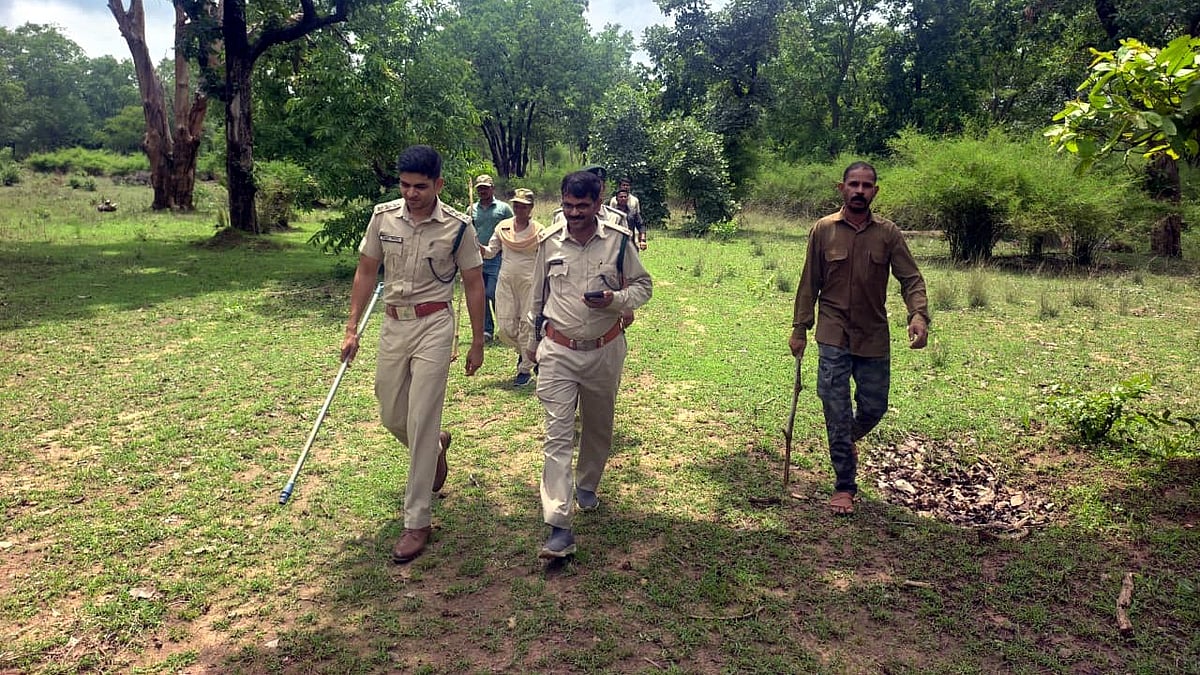
In a bid to strengthen wildlife protection, forest officials in Madhya Pradesh's tiger reserves and sanctuaries have initiated monsoon patrolling. This move comes after the closure of gates to tourists due to the monsoon season. The primary objective of this exercise is to prevent poaching and ensure the safety of wildlife in the reserves.
During the monsoon, all entry roads to the reserves are closed, and the tall grass reduces visibility, making it an ideal time for poachers to attempt unauthorized access. To counter this, forest officials have started foot patrolling to prevent unauthorized entry and protect the wildlife. Under the monsoon patrolling program, each team is tasked with covering at least 25 km on foot every month.
According to Principal Chief Conservator of Forests (Wildlife) Samita Rajora, foot patrolling has been intensified in tiger reserves during the monsoon. An officer from the Bandhavgarh Tiger Reserve explained that if they become complacent during the monsoon, poachers will likely become active. Hence, monsoon patrolling is a crucial part of management activities, providing an opportunity to monitor forest areas more closely.
During these patrols, officials also monitor areas where tigers are feeding and check for any animal fatalities. The deputy director of the Sanjay Tiger Reserve revealed that elephants are also being utilized for monsoon patrolling. The duty of forest officials has been assigned, with a minimum of 25 km to be covered on foot every month.
The monsoon patrolling program is a proactive measure to safeguard the wildlife in Madhya Pradesh's tiger reserves. By intensifying foot patrolling and utilizing elephants, forest officials aim to prevent poaching and protect the wildlife during the vulnerable monsoon season. This initiative demonstrates the commitment of the forest department to conserve and protect the state's rich wildlife heritage.
As the monsoon season progresses, the forest officials will continue to monitor the situation and take necessary measures to ensure the safety of the wildlife. The success of this program will depend on the diligent efforts of the forest officials and the support of the local community. With the monsoon patrolling program in place, the tiger reserves in Madhya Pradesh are better equipped to handle the challenges posed by the monsoon season and protect the precious wildlife.
In the coming months, the forest department will assess the effectiveness of the monsoon patrolling program and make necessary adjustments to improve its efficiency. The program's success will have a positive impact on the conservation of wildlife in Madhya Pradesh, and its implementation serves as a model for other states to follow.
The conservation of wildlife is a collective responsibility, and the efforts of the forest department in Madhya Pradesh are a step in the right direction. As the state continues to work towards protecting its wildlife, the monsoon patrolling program will play a vital role in safeguarding the tiger reserves and sanctuaries during the monsoon season.