Delhi Court Restores Umar Khalid's Family Video Meetings
Umar Khalid to have 2 video meetings with family weekly, court reverses jail decision.
'%3E%3Crect%20width%3D'96'%20height%3D'96'%20fill%3D'%231A5276'%2F%3E%3Ccircle%20cx%3D'30'%20cy%3D'24'%20r%3D'44'%20fill%3D'%23fff'%20opacity%3D'.12'%2F%3E%3Ccircle%20cx%3D'60'%20cy%3D'74'%20r%3D'40'%20fill%3D'%23000'%20opacity%3D'.10'%2F%3E%3C%2Fg%3E%3Cg%20fill%3D'%23fff'%3E%3Cpath%20d%3D'M31%2041%20L48%2031%20L65%2041%20Z'%2F%3E%3Crect%20x%3D'33'%20y%3D'43'%20width%3D'4'%20height%3D'17'%2F%3E%3Crect%20x%3D'41'%20y%3D'43'%20width%3D'4'%20height%3D'17'%2F%3E%3Crect%20x%3D'51'%20y%3D'43'%20width%3D'4'%20height%3D'17'%2F%3E%3Crect%20x%3D'59'%20y%3D'43'%20width%3D'4'%20height%3D'17'%2F%3E%3Crect%20x%3D'30'%20y%3D'62'%20width%3D'36'%20height%3D'4'%20rx%3D'1'%2F%3E%3C%2Fg%3E%3C%2Fsvg%3E)
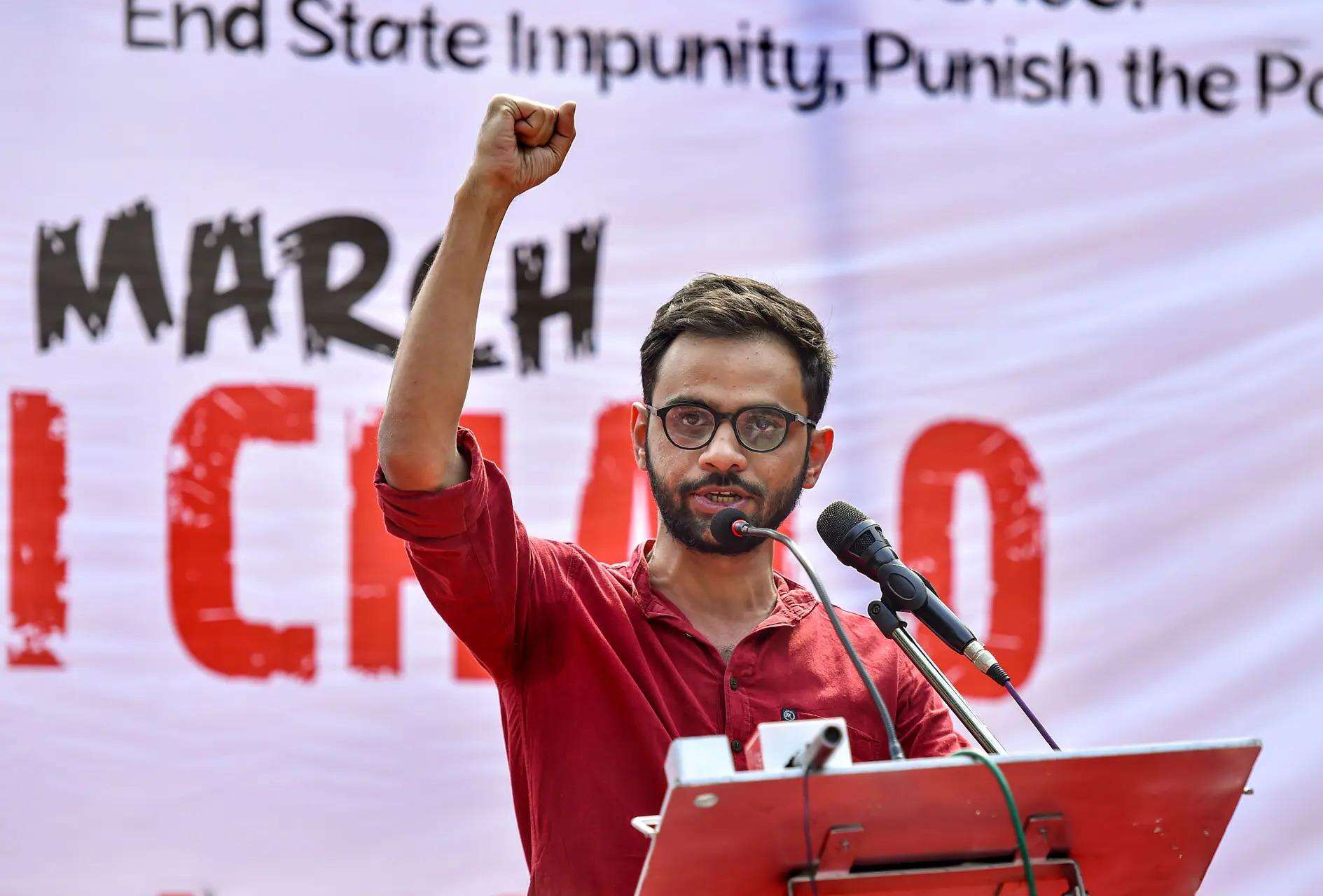
A Delhi court has ruled in favor of activist Umar Khalid, allowing him to have two video meetings with his family every week. This decision comes after jail authorities had reduced the number of meetings from two to one per week.
The court found that there was no valid reason for reducing the number of video meetings, thus restoring the original arrangement. Umar Khalid has been in jail since his arrest in connection with the 2020 northeast Delhi riots conspiracy case.
Khalid's legal team had approached the court to challenge the reduction in video meetings, arguing that it was unfair and unjustified. The court's decision is seen as a positive development for Khalid, who has been denied bail multiple times in the past.
The 2020 northeast Delhi riots were a series of violent clashes that broke out in the northeastern part of the city, resulting in the loss of several lives and widespread property damage. The riots were sparked by protests against the Citizenship Amendment Act, which had been introduced by the government earlier that year.
Umar Khalid, a prominent activist and former Jawaharlal Nehru University student leader, was arrested in September 2020 under the Unlawful Activities (Prevention) Act for his alleged role in the riots. He has been in jail ever since, with his bail pleas being rejected by the court on multiple occasions.
The court's decision to restore Khalid's video meetings with his family is a significant development in his case, which has been ongoing for several years. The case has sparked widespread debate and discussion, with many arguing that the charges against Khalid are politically motivated.
The northeast Delhi riots case has been a major challenge for the Delhi Police, who have been working to investigate and prosecute those responsible for the violence. The case has also raised questions about the role of social media and online platforms in spreading hate speech and inciting violence.
In recent months, there have been several developments in the case, including the arrest of several other activists and the filing of chargesheets against those accused of involvement in the riots. The case is expected to continue for several more months, with the court set to hear arguments from both the prosecution and the defense.
The decision to restore Umar Khalid's video meetings with his family is a small but significant victory for his legal team, who have been working to secure his release from jail. However, the larger question of his involvement in the 2020 northeast Delhi riots conspiracy case remains unresolved, and it is likely that the case will continue to be a major point of contention in the coming months.
The court's ruling is also a reminder of the importance of ensuring that the rights of prisoners are protected, even in cases where they are accused of serious crimes. The decision to restore Khalid's video meetings with his family is a recognition of the need to balance the requirements of justice with the need to protect the human rights of those in custody.
In conclusion, the Delhi court's decision to restore Umar Khalid's family video meetings is a significant development in his case, and highlights the ongoing challenges and complexities of the 2020 northeast Delhi riots conspiracy case. The case is likely to continue to be a major point of discussion and debate in the coming months, with significant implications for the accused, the police, and the wider community.