Mumbai Sees Rise in Malaria, H1N1 Cases
Malaria and H1N1 cases surge in Mumbai, BMC comments on trend
'%3E%3Crect%20width%3D'96'%20height%3D'96'%20fill%3D'%23B3261E'%2F%3E%3Ccircle%20cx%3D'30'%20cy%3D'24'%20r%3D'44'%20fill%3D'%23fff'%20opacity%3D'.12'%2F%3E%3Ccircle%20cx%3D'60'%20cy%3D'74'%20r%3D'40'%20fill%3D'%23000'%20opacity%3D'.10'%2F%3E%3C%2Fg%3E%3Cg%20fill%3D'%23fff'%3E%3Crect%20x%3D'29'%20y%3D'49'%20width%3D'8'%20height%3D'19'%20rx%3D'1'%2F%3E%3Crect%20x%3D'39'%20y%3D'40'%20width%3D'9'%20height%3D'28'%20rx%3D'1'%2F%3E%3Crect%20x%3D'50'%20y%3D'45'%20width%3D'8'%20height%3D'23'%20rx%3D'1'%2F%3E%3Crect%20x%3D'60'%20y%3D'53'%20width%3D'7'%20height%3D'15'%20rx%3D'1'%2F%3E%3Crect%20x%3D'41'%20y%3D'34'%20width%3D'5'%20height%3D'6'%2F%3E%3C%2Fg%3E%3C%2Fsvg%3E)

Mumbai has seen a significant rise in malaria and H1N1 cases in August, adding to the city's monsoon-related health concerns. According to the BMC's executive health officer, Daksha Shah, the number of malaria cases is expected to continue rising until September.
The BMC has been working to control the spread of these diseases, but the monsoon season has created an ideal breeding ground for mosquitoes that carry malaria and other diseases.
Daksha Shah stated that the malaria cases will decrease from September onwards, but this will be followed by an expected rise in dengue cases. This trend is consistent with previous years, where the city has seen a shift in disease patterns as the monsoon season progresses.
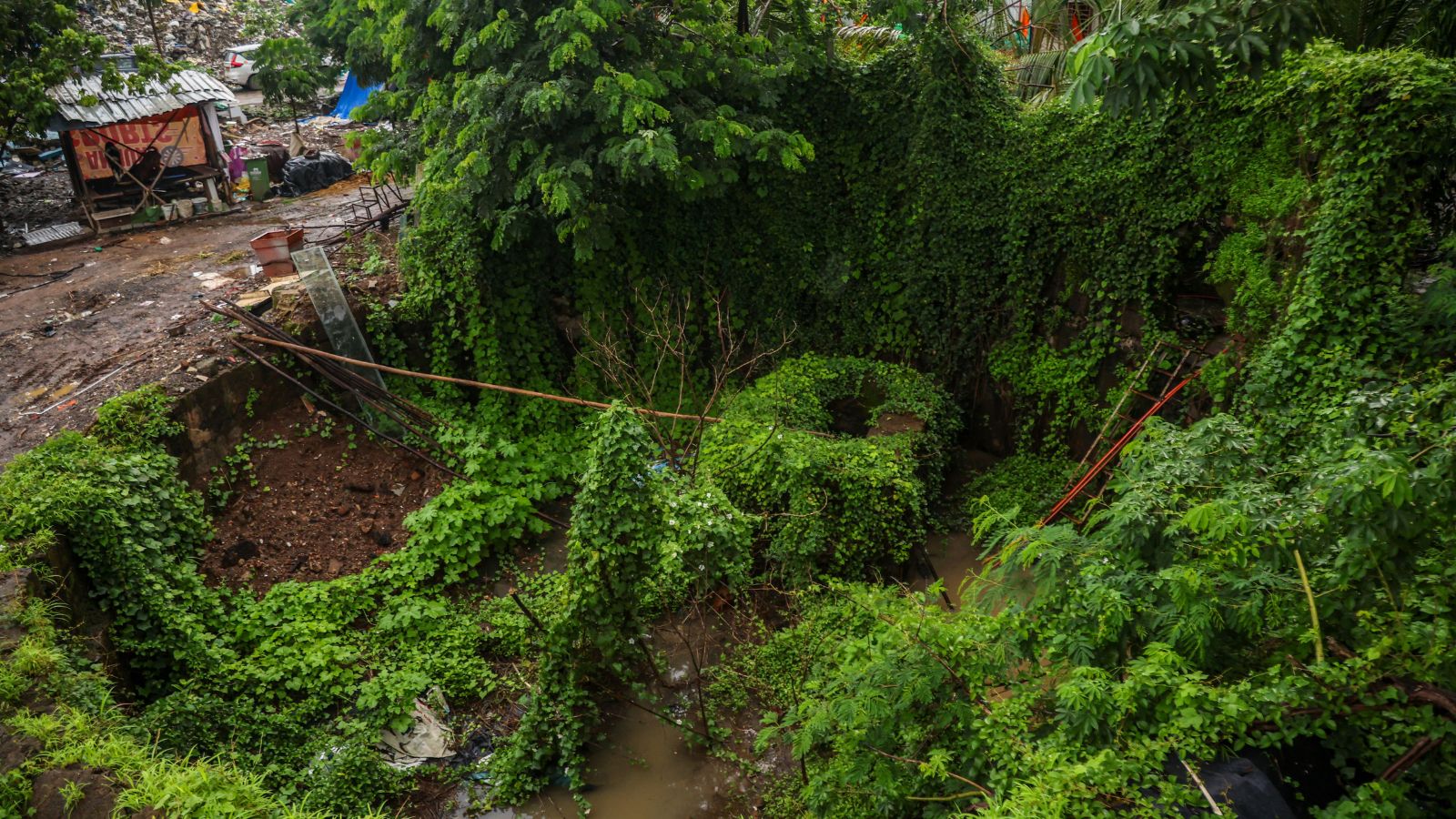
Mumbai's monsoon season typically lasts from June to September, with the highest rainfall occurring in July and August. During this time, the city's waterlogged areas and stagnant water create a perfect environment for mosquitoes to breed, leading to an increase in mosquito-borne diseases.
The BMC has been taking measures to prevent the spread of these diseases, including fogging and spraying insecticides in affected areas. However, the civic body has also emphasized the need for citizens to take precautions, such as using mosquito repellents and wearing protective clothing.
As the monsoon season continues, Mumbai residents are advised to remain vigilant and take necessary precautions to prevent the spread of diseases. The BMC will continue to monitor the situation and take necessary measures to control the spread of malaria, H1N1, and other diseases.
The rise in malaria and H1N1 cases is a concern for the city's health authorities, and efforts are being made to educate the public on the importance of prevention and early treatment. By working together, the BMC and citizens can help reduce the incidence of these diseases and keep the city healthy.
In terms of significance, the surge in malaria and H1N1 cases in Mumbai highlights the need for continued vigilance and cooperation between the civic authorities and citizens to prevent the spread of diseases during the monsoon season.
Frequently asked questions
What is the expected trend for malaria cases in Mumbai?
Malaria cases are expected to decrease from September onwards.
What measures is the BMC taking to prevent the spread of diseases?
The BMC is taking measures such as fogging and spraying insecticides in affected areas, and educating the public on prevention and early treatment.