El Nino Hits India's Energy System
India faces significant energy impact from El Nino, with decreased renewable generation and increased cooling demand.

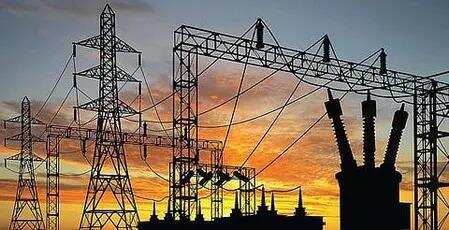
India is bracing for a significant impact on its energy system due to the arrival of El Nino, a weather phenomenon that is expected to bring higher temperatures and altered weather patterns. The country's renewable electricity generation is likely to decrease, while the demand for cooling is expected to rise, creating an electricity generation gap of nearly eighteen terawatt-hours.
According to experts, the decreased renewable energy output and increased cooling demand will put a strain on the country's energy system. As a result, India may have to rely more heavily on coal-fired power generation to meet the increased demand, which could have negative environmental implications. However, experts also suggest that expanding solar power and battery storage can help mitigate the impact of El Nino on the energy system and improve grid resilience.
The potential energy gap of eighteen terawatt-hours is a significant concern, as it could lead to power outages and disruptions to industries and households. The increased reliance on coal-fired power generation could also exacerbate air pollution and contribute to climate change. On the other hand, expanding solar power and battery storage can help reduce the country's dependence on fossil fuels and promote a cleaner and more sustainable energy mix.
The impact of El Nino on India's energy system is not limited to the power sector. The increased temperatures and altered weather patterns could also affect the country's agriculture, water resources, and human health. Therefore, it is essential for policymakers and industry stakeholders to take proactive measures to mitigate the impact of El Nino and promote a more resilient and sustainable energy system.
In the coming months, India's energy sector will be closely watched as the country navigates the challenges posed by El Nino. The government and industry stakeholders will need to work together to ensure a stable and reliable energy supply, while also promoting a transition to a cleaner and more sustainable energy mix. This could involve investing in solar power and battery storage, improving energy efficiency, and promoting demand-side management.
As the world's third-largest energy consumer, India's energy system is critical to the country's economic growth and development. The impact of El Nino on the energy system highlights the need for a more resilient and sustainable energy mix, one that can withstand the challenges posed by climate change and promote a cleaner and more sustainable future for all.