BJP MLA Questions Own Govt on Savarkar Bharat Ratna Delay
BJP MLA criticizes own government, Bharat Ratna award for Savarkar delayed.

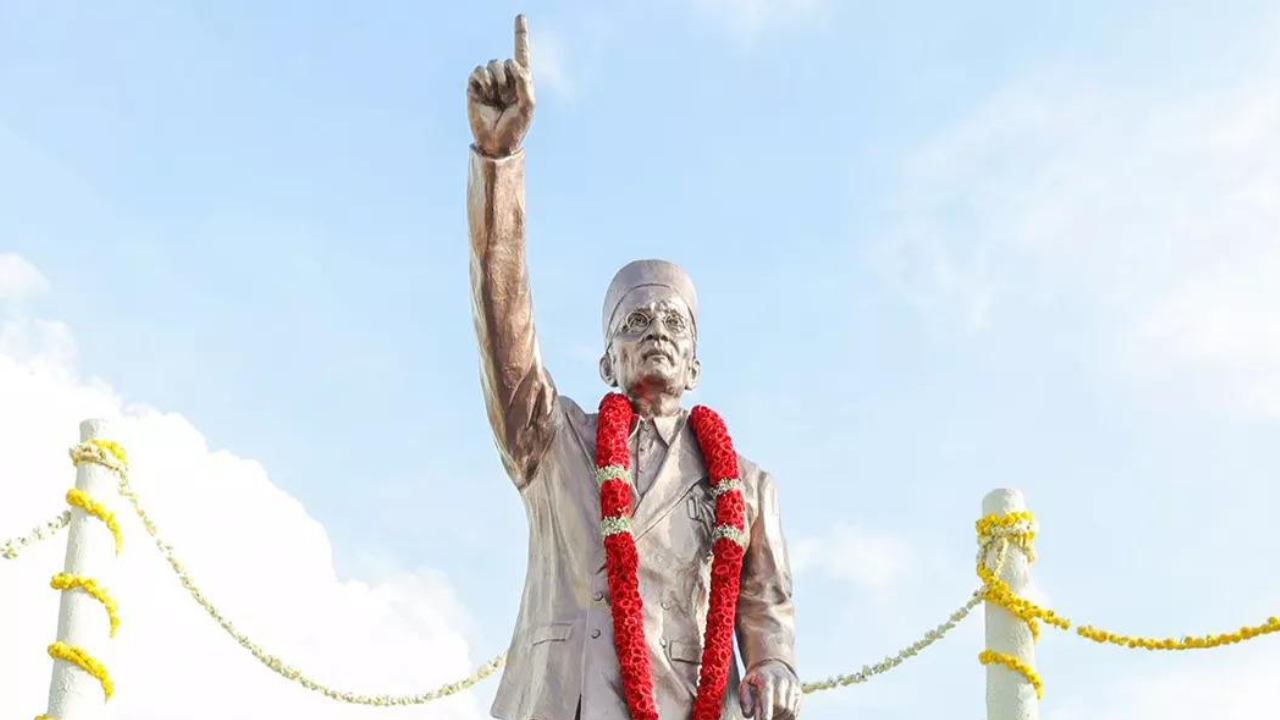
A Bharatiya Janata Party (BJP) MLA has questioned the delay in conferring the Bharat Ratna award on Vinayak Damodar Savarkar, a prominent figure in Indian history. The MLA expressed disappointment that the government's actions do not match its ideology, given the importance of Savarkar to the party's values.
The MLA's comments highlight the significance of Savarkar to the BJP's ideology and the party's long-standing demand for him to be awarded the Bharat Ratna. The award is India's highest civilian honor, and the BJP has consistently pushed for Savarkar to receive it.
Savarkar was a key figure in the Indian independence movement and is revered by the BJP for his contributions to the country's freedom struggle. However, his legacy is also controversial, with some critics accusing him of promoting divisive ideologies.
The BJP MLA's criticism of the government's delay in awarding the Bharat Ratna to Savarkar reflects the party's internal dynamics and the tensions between different factions. The MLA's comments may also be seen as a way to pressure the government into taking action on the issue.
The demand for Savarkar to be awarded the Bharat Ratna has been a long-standing one, with the BJP repeatedly raising the issue in parliament and elsewhere. The party's supporters argue that Savarkar's contributions to the country's independence movement and his commitment to nationalist ideals make him an ideal candidate for the award.
In recent years, the BJP has faced criticism for its attempts to promote Savarkar's legacy and ideology, with some accusing the party of trying to rewrite history and promote a divisive agenda. However, for the BJP and its supporters, Savarkar remains a hero and a symbol of nationalist pride.
The delay in awarding the Bharat Ratna to Savarkar has sparked debate and discussion within the party and beyond. While some have criticized the government for not taking action sooner, others have argued that the award should not be politicized and that Savarkar's legacy is more complex than the BJP's narrative suggests.
The BJP MLA's comments are likely to add to the debate and may put pressure on the government to reconsider its position on the issue. However, it remains to be seen whether the government will take action and award the Bharat Ratna to Savarkar.
The controversy surrounding Savarkar's legacy and the demand for him to be awarded the Bharat Ratna reflects the complexities of Indian history and the ongoing debates about the country's past and its future. As the BJP continues to push for Savarkar to be recognized with the Bharat Ratna, the issue is likely to remain a contentious one, with different perspectives and opinions on the matter.
In conclusion, the BJP MLA's criticism of the government's delay in awarding the Bharat Ratna to Savarkar highlights the ongoing debates and tensions within the party and beyond. The issue reflects the complexities of Indian history and the challenges of promoting a unified narrative about the country's past and its future.
The significance of the issue extends beyond the BJP and its ideology, as it touches on broader questions about Indian history, nationalism, and the country's identity. As the debate continues, it is likely to remain a contentious and emotive issue, with different perspectives and opinions on the matter.
Ultimately, the decision to award the Bharat Ratna to Savarkar will depend on the government's assessment of his legacy and contributions to the country. While the BJP and its supporters continue to push for the award, others may argue that Savarkar's legacy is more complex and nuanced than the party's narrative suggests.
The government's response to the BJP MLA's criticism will be closely watched, as it may indicate whether the issue will be revisited and whether Savarkar will eventually be awarded the Bharat Ratna. For now, the debate continues, with different perspectives and opinions on the matter reflecting the complexities of Indian history and the challenges of promoting a unified narrative about the country's past and its future.
The issue also raises questions about the role of the government in promoting and recognizing historical figures and their contributions to the country. As the debate surrounding Savarkar's legacy continues, it is likely to touch on broader questions about the government's responsibilities and priorities in this regard.
In the context of Indian politics, the demand for Savarkar to be awarded the Bharat Ratna reflects the ongoing tensions between different parties and ideologies. The issue has been used by the BJP to promote its nationalist agenda and to criticize its opponents for their perceived lack of commitment to Indian values.
However, the issue also highlights the challenges of promoting a unified narrative about Indian history and the country's identity. As different parties and ideologies continue to debate and discuss the issue, it is likely to remain a contentious and emotive one, with different perspectives and opinions on the matter.
The BJP MLA's criticism of the government's delay in awarding the Bharat Ratna to Savarkar is a significant development in the ongoing debate surrounding the issue. As the party continues to push for the award, it is likely to face opposition and criticism from its opponents, who may argue that Savarkar's legacy is more complex and nuanced than the BJP's narrative suggests.
In the end, the decision to award the Bharat Ratna to Savarkar will depend on the government's assessment of his legacy and contributions to the country. While the BJP and its supporters continue to push for the award, others may argue that Savarkar's legacy is more complex and nuanced than the party's narrative suggests.
The issue is likely to remain a contentious and emotive one, with different perspectives and opinions on the matter reflecting the complexities of Indian history and the challenges of promoting a unified narrative about the country's past and its future. As the debate continues, it is likely to touch on broader questions about Indian history, nationalism, and the country's identity.
For Mumbai residents, the issue may seem distant, but it has implications for the city's political landscape and the ongoing debates about Indian history and identity. As the BJP continues to push for Savarkar to be recognized with the Bharat Ratna, the issue is likely to remain a significant one in the city's political discourse.
In conclusion, the BJP MLA's criticism of the government's delay in awarding the Bharat Ratna to Savarkar is a significant development in the ongoing debate surrounding the issue. The issue reflects the complexities of Indian history and the challenges of promoting a unified narrative about the country's past and its future. As the debate continues, it is likely to remain a contentious and emotive one, with different perspectives and opinions on the matter.
The significance of the issue extends beyond the BJP and its ideology, as it touches on broader questions about Indian history, nationalism, and the country's identity. As the government considers the demand for Savarkar to be awarded the Bharat Ratna, it is likely to face opposition and criticism from its opponents, who may argue that Savarkar's legacy is more complex and nuanced than the BJP's narrative suggests.
Ultimately, the decision to award the Bharat Ratna to Savarkar will depend on the government's assessment of his legacy and contributions to the country. While the BJP and its supporters continue to push for the award, others may argue that Savarkar's legacy is more complex and nuanced than the party's narrative suggests.
The issue is likely to remain a contentious and emotive one, with different perspectives and opinions on the matter reflecting the complexities of Indian history and the challenges of promoting a unified narrative about the country's past and its future. As the debate continues, it is likely to touch on broader questions about Indian history, nationalism, and the country's identity.
For India as a whole, the issue has significant implications, as it reflects the ongoing debates and tensions surrounding the country's history and identity. The demand for Savarkar to be awarded the Bharat Ratna is a symbol of the BJP's commitment to its nationalist agenda, but it also highlights the challenges of promoting a unified narrative about the country's past and its future.
In the end, the decision to award the Bharat Ratna to Savarkar will depend on the government's assessment of his legacy and contributions to the country. While the BJP and its supporters continue to push for the award, others may argue that Savarkar's legacy is more complex and nuanced than the party's narrative suggests.
The issue is likely to remain a contentious and emotive one, with different perspectives and opinions on the matter reflecting the complexities of Indian history and the challenges of promoting a unified narrative about the country's past and its future. As the debate continues, it is likely to touch on broader questions about Indian history, nationalism, and the country's identity.
The significance of the issue extends beyond the BJP and its ideology, as it touches on broader questions about Indian history, nationalism, and the country's identity. As the government considers the demand for Savarkar to be awarded the Bharat Ratna, it is likely to face opposition and criticism from its opponents, who may argue that Savarkar's legacy is more complex and nuanced than the BJP's narrative suggests.
Ultimately, the decision to award the Bharat Ratna to Savarkar will depend on the government's assessment of his legacy and contributions to the country. While the BJP and its supporters continue to push for the award, others may argue that Savarkar's legacy is more complex and nuanced than the party's narrative suggests.
The issue is likely to remain a contentious and emotive one, with different perspectives and opinions on the matter reflecting the complexities of Indian history and the challenges of promoting a unified narrative about the country's past and its future. As the debate continues, it is likely to touch on broader questions about Indian history, nationalism, and the country's identity.