Maratha Quota Protest Denied Permission in Mumbai
Mumbai Police denies permission for protest, cites Ganeshotsav demands
'%3E%3Crect%20width%3D'96'%20height%3D'96'%20fill%3D'%23B3261E'%2F%3E%3Ccircle%20cx%3D'30'%20cy%3D'24'%20r%3D'44'%20fill%3D'%23fff'%20opacity%3D'.12'%2F%3E%3Ccircle%20cx%3D'60'%20cy%3D'74'%20r%3D'40'%20fill%3D'%23000'%20opacity%3D'.10'%2F%3E%3C%2Fg%3E%3Cg%20fill%3D'%23fff'%3E%3Crect%20x%3D'29'%20y%3D'49'%20width%3D'8'%20height%3D'19'%20rx%3D'1'%2F%3E%3Crect%20x%3D'39'%20y%3D'40'%20width%3D'9'%20height%3D'28'%20rx%3D'1'%2F%3E%3Crect%20x%3D'50'%20y%3D'45'%20width%3D'8'%20height%3D'23'%20rx%3D'1'%2F%3E%3Crect%20x%3D'60'%20y%3D'53'%20width%3D'7'%20height%3D'15'%20rx%3D'1'%2F%3E%3Crect%20x%3D'41'%20y%3D'34'%20width%3D'5'%20height%3D'6'%2F%3E%3C%2Fg%3E%3C%2Fsvg%3E)
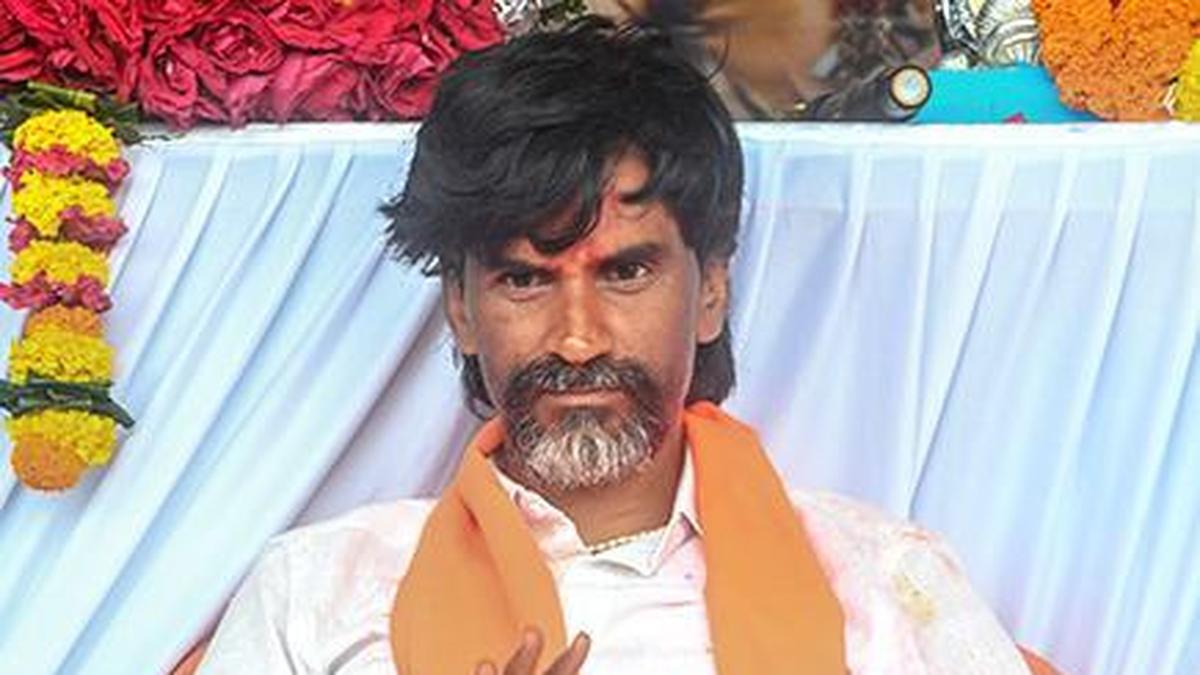
A protest march in Mumbai for the Maratha quota has been denied permission by the Mumbai Police, citing restrictions and the upcoming Ganeshotsav period. The march, which was scheduled to start on September 19, has been denied due to the substantial demands it would place on the city's police force during the festive season.
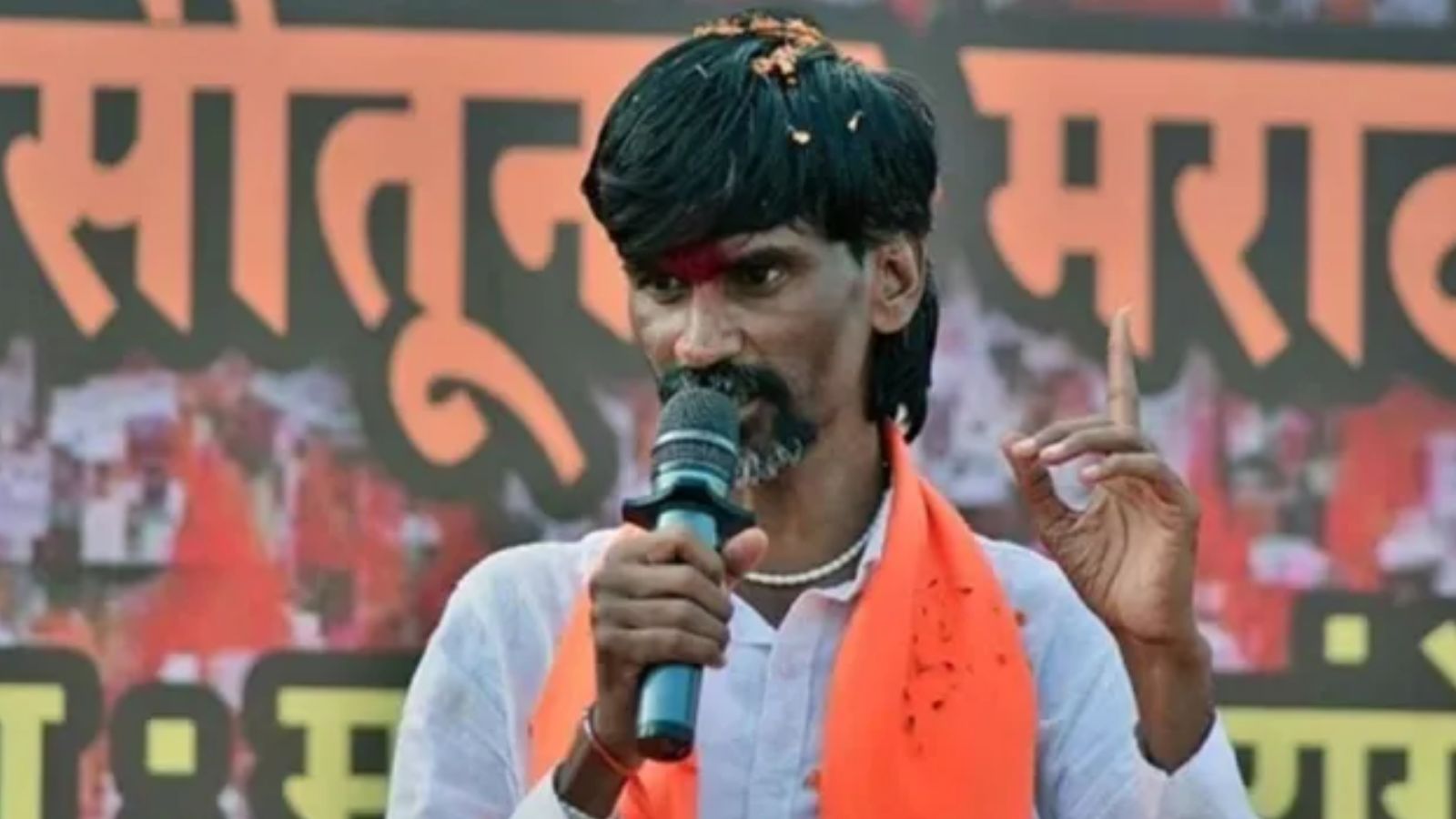
The protest, led by Jarange, aimed to highlight the demand for reservations for the Maratha community. However, Jarange has alleged that there is a conspiracy to kill him during the protest march. The Mumbai Police has denied permission for the indefinite hunger strike at Azad Maidan, citing restrictions governing demonstrations at the venue.
The Ganeshotsav period is a significant festival in Mumbai, and the police force is expected to be busy managing the crowds and maintaining law and order. The police have stated that granting permission for the protest would put a strain on the resources available to them.
The Maratha quota protest has been a long-standing issue, with the community demanding reservations in education and employment. The protest march was expected to draw large crowds, and the police had concerns about maintaining law and order.
The denial of permission has sparked controversy, with some questioning the police's decision. The Maratha community has been protesting for several years, and the denial of permission is seen as a setback to their demands.
The Mumbai Police has a responsibility to maintain law and order in the city, and their decision to deny permission is likely aimed at preventing any potential disruptions during the festive season. However, the denial of permission has raised concerns about the freedom to protest and the rights of the Maratha community.
The issue of reservations for the Maratha community is a complex one, with various stakeholders involved. The protest march was seen as an opportunity for the community to voice their demands and bring attention to their cause. The denial of permission has put a damper on these efforts, and it remains to be seen how the community will respond.
In the context of Mumbai, the denial of permission for the protest march highlights the challenges of balancing the right to protest with the need to maintain law and order. The city has a long history of protests and demonstrations, and the police have a responsibility to ensure that these events do not disrupt the normal functioning of the city.
The Maratha quota protest is a significant issue in Maharashtra, and the denial of permission for the protest march in Mumbai is likely to have implications for the community's demands. The issue is expected to continue to be a topic of debate and discussion in the coming days and weeks.
In conclusion, the denial of permission for the Maratha quota protest march in Mumbai is a significant development, with implications for the community's demands and the right to protest in the city. The issue highlights the challenges of balancing competing interests and the need for the police to maintain law and order during festive seasons.
Frequently asked questions
Why was the Maratha quota protest denied permission in Mumbai?
The Mumbai Police denied permission due to restrictions and the upcoming Ganeshotsav period, which would place substantial demands on the city's police force.
What is the Maratha quota protest about?
The protest is about the demand for reservations for the Maratha community in education and employment.