India Bans Seafarers From Strait Of Hormuz Amid US-Iran Tensions
India directs shipowners to keep Indian seafarers off Strait of Hormuz. Two Indian seafarers killed in attacks.
'%3E%3Crect%20width%3D'96'%20height%3D'96'%20fill%3D'%234A235A'%2F%3E%3Ccircle%20cx%3D'30'%20cy%3D'24'%20r%3D'44'%20fill%3D'%23fff'%20opacity%3D'.12'%2F%3E%3Ccircle%20cx%3D'60'%20cy%3D'74'%20r%3D'40'%20fill%3D'%23000'%20opacity%3D'.10'%2F%3E%3C%2Fg%3E%3Cg%20fill%3D'none'%20stroke%3D'%23fff'%20stroke-width%3D'3'%3E%3Ccircle%20cx%3D'48'%20cy%3D'48'%20r%3D'16'%2F%3E%3Cellipse%20cx%3D'48'%20cy%3D'48'%20rx%3D'6.5'%20ry%3D'16'%2F%3E%3Cline%20x1%3D'32'%20y1%3D'42'%20x2%3D'64'%20y2%3D'42'%2F%3E%3Cline%20x1%3D'32'%20y1%3D'54'%20x2%3D'64'%20y2%3D'54'%2F%3E%3C%2Fg%3E%3C%2Fsvg%3E)
India has directed shipowners, ship managers, and recruitment companies to refrain from deploying Indian seafarers on vessels passing through the Strait of Hormuz until further notice. This decision comes amid heightened security risks due to renewed tensions between the United States and Iran.
The directive was issued by the Directorate General of Maritime Administration (DGMA) on Wednesday, following the deaths of two Indian seafarers in separate attacks on commercial vessels in the region. India is the world's third-largest supplier of seafarers, with over 300,000 sailors working on ships globally.
According to the DGMA's order, shipping companies have been instructed to avoid deploying Indian seafarers on vessels undertaking voyages through the Strait of Hormuz. The regulator cited recent attacks on commercial vessels, which have significantly increased the risks for seafarers operating in the conflict-hit region.
The DGMA also advised masters of vessels to remain alert to the evolving security situation in the Persian Gulf, the Strait of Hormuz, and nearby waters. They have been instructed to continuously monitor navigational warnings to ensure the safety of Indian seafarers serving on ships operating in the area.
The deaths of the two Indian seafarers have triggered a diplomatic response. Rohan Kumar, 31, from Bihar's Gopalganj district, was killed in missile attacks on two Emirati oil tankers in the Strait of Hormuz. Herambh Karmarkar, 30, from Pune, went missing after an attack on the cargo vessel MV GFS Galaxy off the coast of Oman and was later confirmed dead.
The Indian government has expressed its deepest condolences to the families of the deceased seafarers. The Ministry of External Affairs summoned Iranian Deputy Chief of Mission Mohammad Javad Hosseini on Tuesday to discuss the incidents.
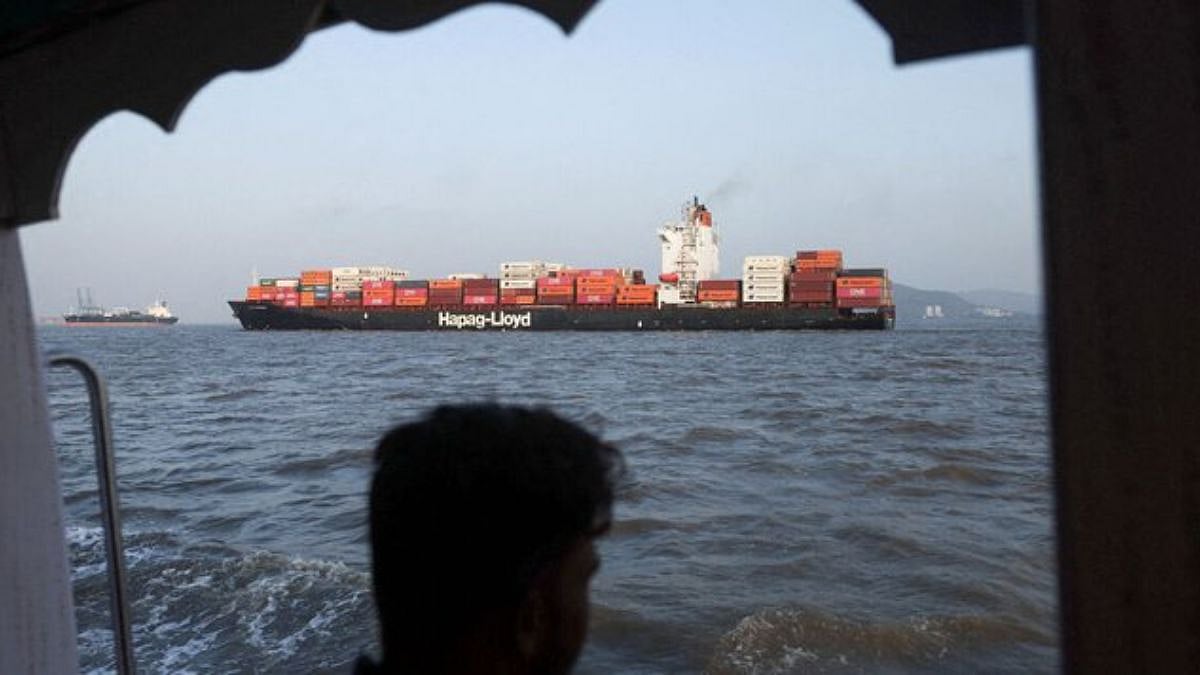
The Strait of Hormuz is one of the world's busiest shipping lanes, with a significant portion of global oil trade passing through it. The recent attacks on commercial vessels have highlighted the growing dangers in the region, prompting India to take measures to protect its seafarers.
The DGMA will continue to closely monitor developments in the region and remains committed to protecting the safety, security, and welfare of Indian seafarers. The directive to avoid deploying Indian seafarers in the Strait of Hormuz will remain in place until further notice.
This decision is significant for India, as it highlights the country's concerns about the safety of its citizens working abroad. The Indian government's response to the incidents also underscores its commitment to protecting the interests of its nationals.
In the broader context, the tensions between the United States and Iran have significant implications for global trade and security. The Strait of Hormuz is a critical waterway, and any disruptions to shipping in the region can have far-reaching consequences for the global economy.
Overall, India's decision to ban its seafarers from the Strait of Hormuz is a precautionary measure aimed at protecting its citizens from the growing risks in the region. As the situation continues to evolve, it is likely that the Indian government will remain vigilant and take further measures to ensure the safety and security of its seafarers.