
Ethanol May Enter Kitchen Use
Ethanol could soon be used in kitchens, government to examine subsidy and supply chain measures.
'%3E%3Crect%20width%3D'96'%20height%3D'96'%20fill%3D'%230B6E4F'%2F%3E%3Ccircle%20cx%3D'30'%20cy%3D'24'%20r%3D'44'%20fill%3D'%23fff'%20opacity%3D'.12'%2F%3E%3Ccircle%20cx%3D'60'%20cy%3D'74'%20r%3D'40'%20fill%3D'%23000'%20opacity%3D'.10'%2F%3E%3C%2Fg%3E%3Cg%20fill%3D'none'%20stroke%3D'%23fff'%20stroke-width%3D'3.2'%20stroke-linecap%3D'round'%20stroke-linejoin%3D'round'%3E%3Cpolyline%20points%3D'31%2C59%2041%2C49%2049%2C54%2063%2C37'%2F%3E%3Cpolyline%20points%3D'55%2C37%2063%2C37%2063%2C45'%2F%3E%3C%2Fg%3E%3C%2Fsvg%3E)
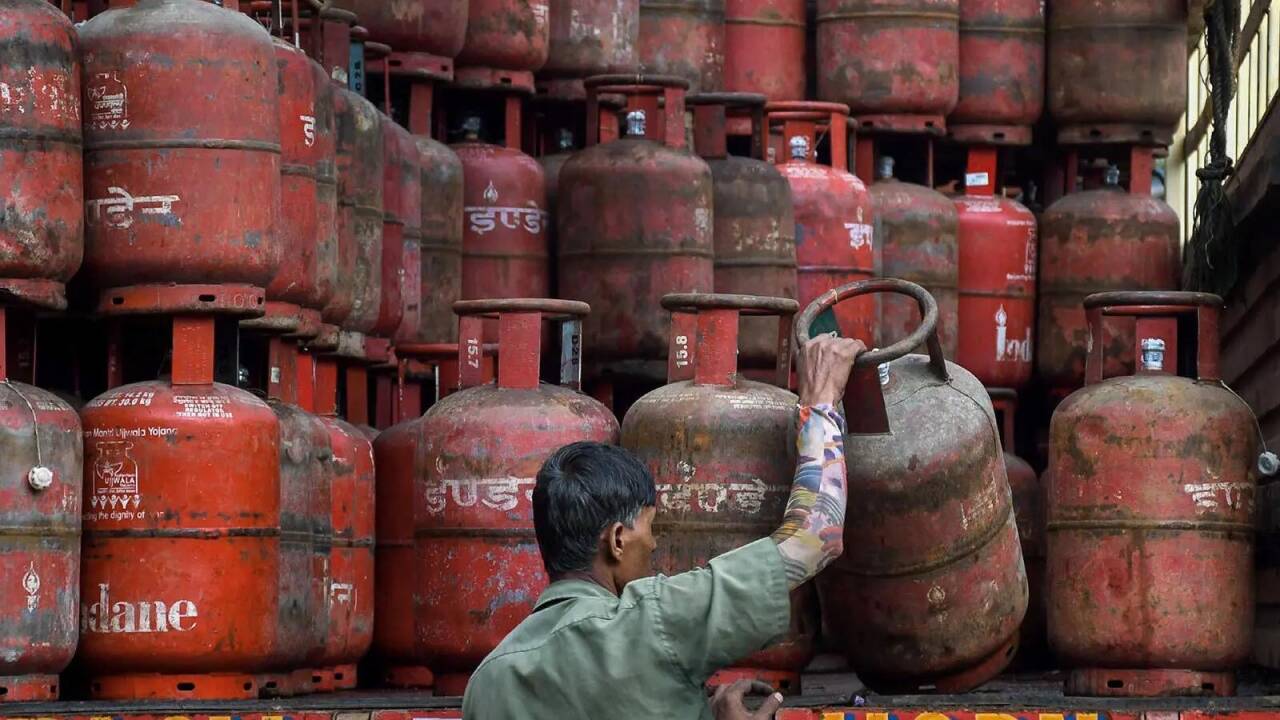
The government is considering a new proposal that could lead to the use of ethanol in kitchens across the country. This development comes as part of a broader framework to promote the adoption of ethanol.
The proposal is expected to involve an examination of subsidy mechanisms that could make ethanol more affordable for widespread use. Additionally, the government will look into measures to develop the necessary supply chain for ethanol, ensuring its availability and accessibility.
The use of ethanol in kitchens is not a new concept, but it has been limited due to various factors, including cost and availability. However, with the government's potential backing, ethanol could become a more viable option for cooking fuel.
Ethanol is a renewable energy source that can be produced from various biomass sources, including sugarcane, corn, and other crops. Its use as a cooking fuel could help reduce the country's dependence on fossil fuels and mitigate climate change.
The government's initiative to promote ethanol use is part of a larger effort to increase the share of renewable energy in the country's energy mix. This move is expected to have a positive impact on the environment and public health.
In recent years, the government has taken several steps to promote the use of ethanol as a fuel for vehicles. Now, with the proposed framework, it seems that the focus is shifting to exploring its potential in other areas, including kitchen use.
The development of a supply chain for ethanol will be crucial to its successful adoption in kitchens. This will involve creating a network of producers, distributors, and retailers that can ensure a steady supply of ethanol to meet the demand.
As the government moves forward with the proposal, it will be important to consider the potential impact on the environment, public health, and the economy. A thorough examination of the subsidy mechanisms and supply chain measures will be necessary to ensure that the adoption of ethanol in kitchens is successful and sustainable.
The potential use of ethanol in kitchens is a significant development that could have far-reaching implications for the country. As the government continues to explore this option, it will be important to monitor the progress and assess the impact on the environment, public health, and the economy.
In conclusion, the government's proposal to examine the use of ethanol in kitchens is a positive step towards promoting renewable energy and reducing dependence on fossil fuels. With careful planning and implementation, ethanol could become a viable option for cooking fuel, contributing to a more sustainable and environmentally friendly future.