Phillip Island Sees Native Habitat Return
Phillip Island revives native flora, seabirds thrive. Restoration efforts continue.
'%3E%3Crect%20width%3D'96'%20height%3D'96'%20fill%3D'%231B5E20'%2F%3E%3Ccircle%20cx%3D'30'%20cy%3D'24'%20r%3D'44'%20fill%3D'%23fff'%20opacity%3D'.12'%2F%3E%3Ccircle%20cx%3D'60'%20cy%3D'74'%20r%3D'40'%20fill%3D'%23000'%20opacity%3D'.10'%2F%3E%3C%2Fg%3E%3Cg%3E%3Ccircle%20cx%3D'48'%20cy%3D'48'%20r%3D'15'%20fill%3D'%23fff'%2F%3E%3Cpath%20d%3D'M43%2034%20Q50%2048%2043%2062'%20fill%3D'none'%20stroke%3D'%238a94a6'%20stroke-width%3D'2.4'%2F%3E%3Cpath%20d%3D'M47%2033%20Q54%2048%2047%2063'%20fill%3D'none'%20stroke%3D'%238a94a6'%20stroke-width%3D'1.8'%20stroke-dasharray%3D'1.5%203'%2F%3E%3C%2Fg%3E%3C%2Fsvg%3E)
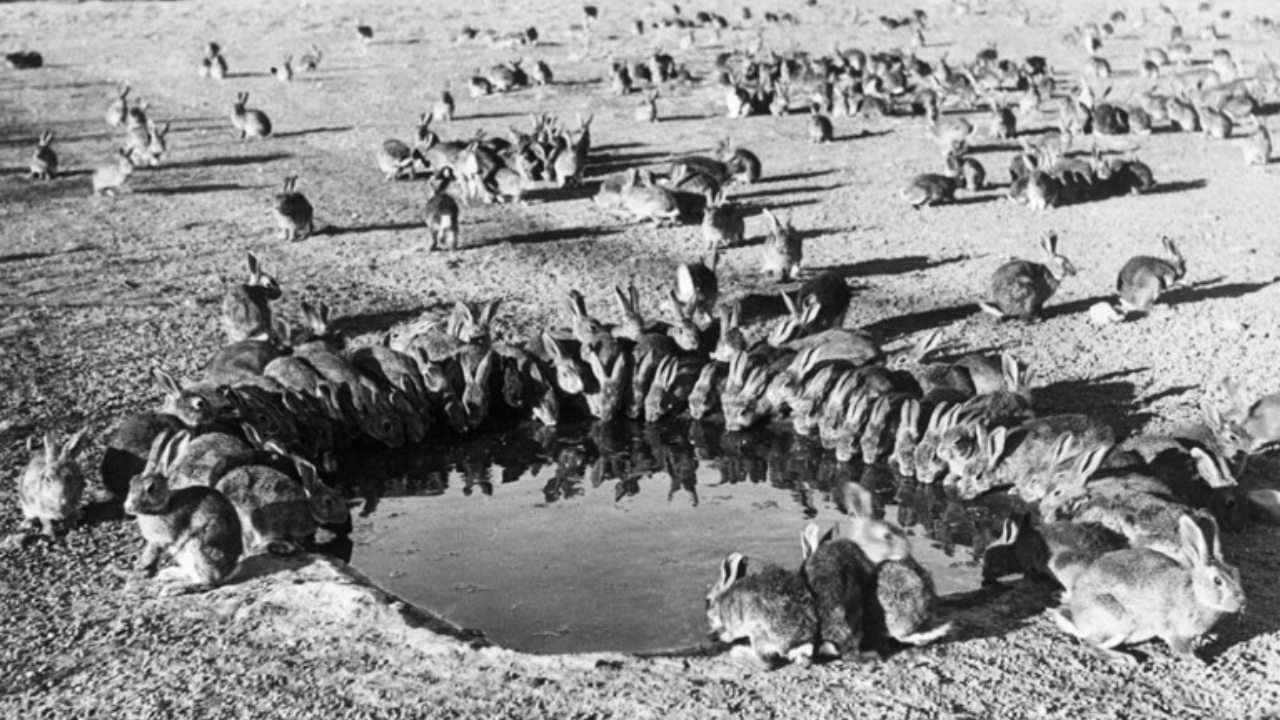
Phillip Island has undergone a significant environmental transformation after a pest eradication initiative in 1986. The island, once overrun with introduced species, is now witnessing a resurgence of native flora.
The eradication of island rabbits in 1986 has allowed the native habitat to return, and the island is now a safe haven for thousands of migratory seabirds to breed each year.
The removal of the rabbits has had a positive impact on the island's ecosystem, allowing native plants to regrow and thrive. This, in turn, has supported the growth of thriving colonies of seabirds.
The island's restoration efforts are ongoing, with a focus on safeguarding native wildlife and reinforcing vulnerable soil ecosystems. This is crucial for reptiles that have vanished from other regions, making Phillip Island a vital sanctuary.
Phillip Island's transformation is a testament to the power of conservation efforts. The island's native flora and fauna are now flourishing, and it has become a crucial habitat for many species.
The restoration of Phillip Island is also important for the local ecosystem, as it provides a safe haven for seabirds and other native species. The island's unique ecosystem is now being protected and preserved for future generations.
The success of the pest eradication initiative on Phillip Island is an example of what can be achieved through concerted conservation efforts. It highlights the importance of protecting native habitats and preserving biodiversity.
In conclusion, Phillip Island's environmental turnaround is a remarkable achievement, and its native habitat is now returning. The island's restoration efforts will continue to safeguard native wildlife and reinforce vulnerable soil ecosystems, making it a crucial sanctuary for many species.
Frequently asked questions
What was the main reason for Phillip Island's environmental turnaround?
The removal of introduced rabbits in 1986 allowed the native habitat to return.
What is the current state of Phillip Island's ecosystem?
The island's native flora and fauna are now flourishing, and it has become a crucial habitat for many species.