Cuba's National Grid Collapses
Cuba faces massive blackout, 10 million affected. Economic crisis worsens.

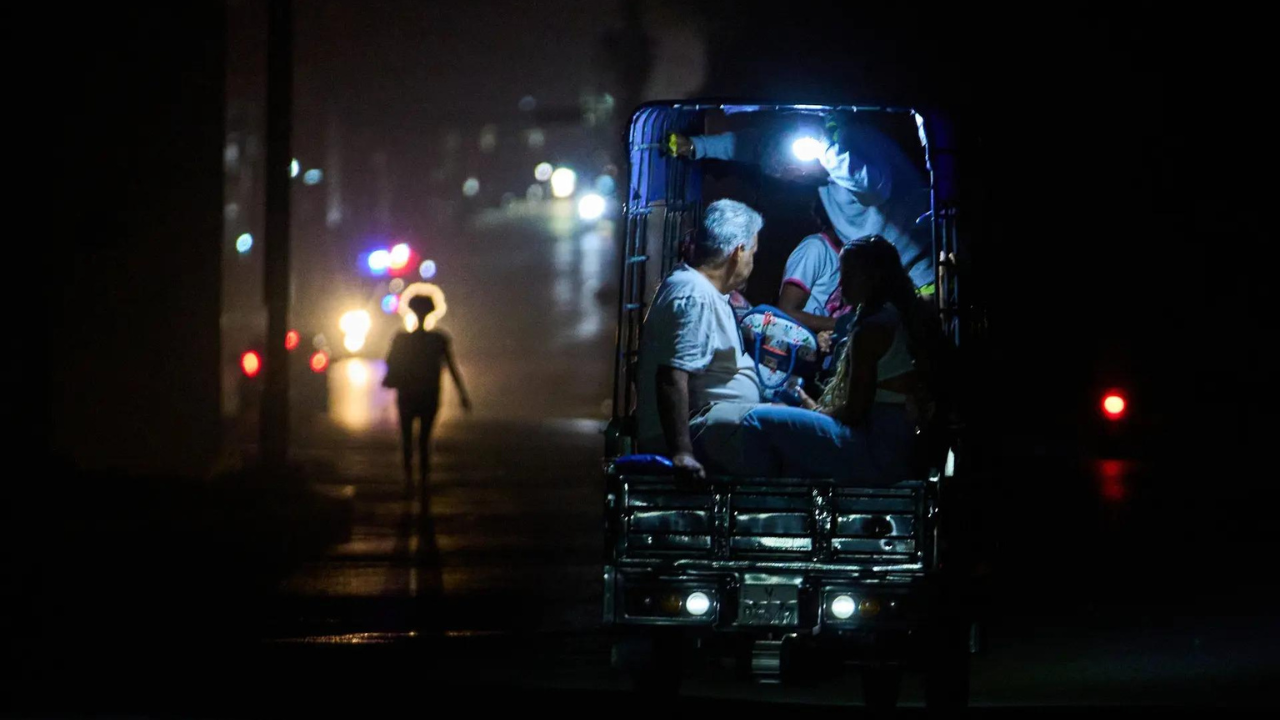
A massive blackout has hit Cuba, leaving nearly 10 million people without electricity after the country's national power grid completely collapsed. This widespread power outage has deepened the island's ongoing energy crisis, which has been exacerbated by ageing infrastructure and fuel shortages. The grid collapse has resulted in a nationwide blackout, affecting the entire population of the island.
The Cuban government has been dealing with frequent power outages for months, and the situation has been blamed on US sanctions that limit fuel imports. The government claims that these sanctions have restricted their ability to import the necessary fuel to generate electricity, leading to the current crisis.
The energy crisis in Cuba has been worsening over time, with the country's infrastructure struggling to keep up with demand. The lack of investment in the power grid, combined with the shortage of fuel, has resulted in a perfect storm that has led to the collapse of the national grid. The economic crisis on the island has also played a significant role in the worsening situation, as the country struggles to import the necessary resources to keep its power plants running.
The impact of the blackout is being felt across the island, with residents and businesses affected by the lack of electricity. The Cuban government is working to restore power, but it is unclear when the situation will be resolved. The economic crisis has already taken a toll on the island, and the blackout is only making things worse.
As the situation continues to unfold, the Cuban government is facing increased pressure to find a solution to the energy crisis. The US sanctions are seen as a major obstacle, and the government is calling for their removal to help alleviate the situation. The international community is watching the situation closely, and it remains to be seen how the crisis will be resolved.
In the meantime, the people of Cuba are left to deal with the consequences of the blackout, with many struggling to access basic necessities like food and water. The situation is a stark reminder of the challenges faced by the island nation, and the need for a long-term solution to the energy crisis.