MP, Chhattisgarh Scrap Mutual Consent For DR Hikes
Madhya Pradesh and Chhattisgarh end mutual consent rule, pensioners to get DR hikes faster.
'%3E%3Crect%20width%3D'96'%20height%3D'96'%20fill%3D'%231B5E20'%2F%3E%3Ccircle%20cx%3D'30'%20cy%3D'24'%20r%3D'44'%20fill%3D'%23fff'%20opacity%3D'.12'%2F%3E%3Ccircle%20cx%3D'60'%20cy%3D'74'%20r%3D'40'%20fill%3D'%23000'%20opacity%3D'.10'%2F%3E%3C%2Fg%3E%3Cg%3E%3Ccircle%20cx%3D'48'%20cy%3D'48'%20r%3D'15'%20fill%3D'%23fff'%2F%3E%3Cpath%20d%3D'M43%2034%20Q50%2048%2043%2062'%20fill%3D'none'%20stroke%3D'%238a94a6'%20stroke-width%3D'2.4'%2F%3E%3Cpath%20d%3D'M47%2033%20Q54%2048%2047%2063'%20fill%3D'none'%20stroke%3D'%238a94a6'%20stroke-width%3D'1.8'%20stroke-dasharray%3D'1.5%203'%2F%3E%3C%2Fg%3E%3C%2Fsvg%3E)
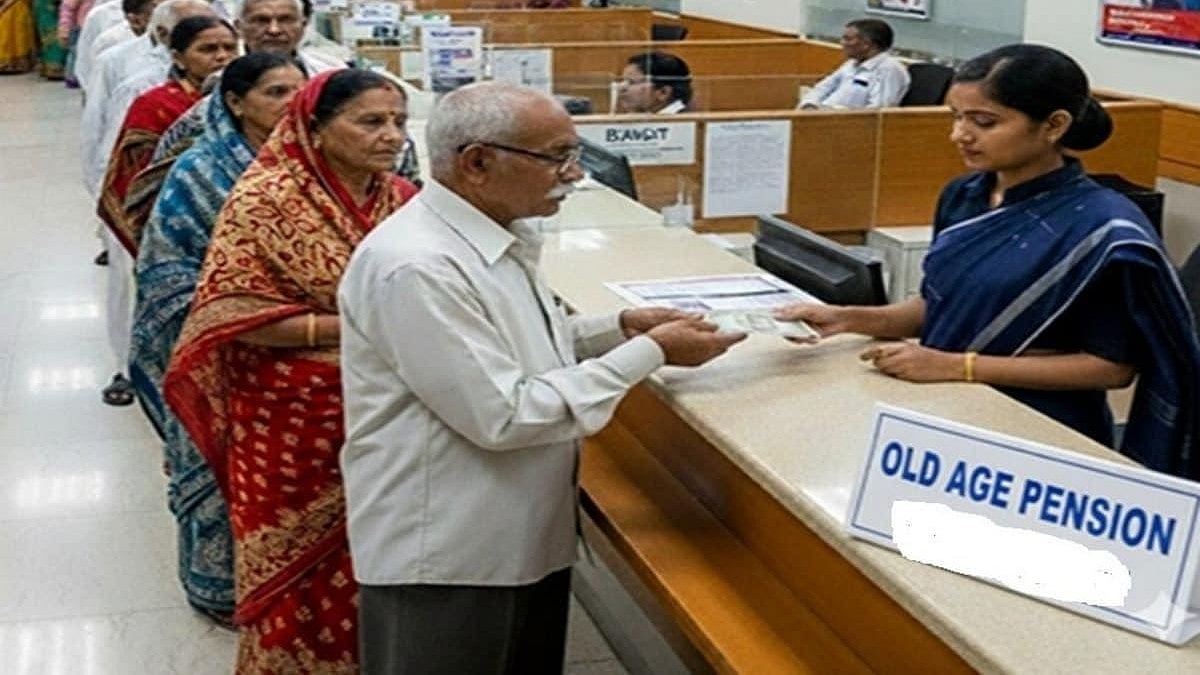
Madhya Pradesh and Chhattisgarh have decided to do away with the mandatory mutual consent process for increasing Dearness Relief (DR) for pensioners. This decision, which took effect immediately, means that pensioners in Madhya Pradesh will no longer have to wait for Chhattisgarh's approval for enhanced DR rates.
The previous arrangement required both states to obtain each other's consent before issuing revised DR rates, often resulting in delays. However, after reviewing the process, the two governments have decided to discontinue this requirement. Instead, executive orders will be issued to implement DR revisions for pensioners.
In cases where a DR hike results in additional financial liability, the concerned state will inform the other through an official communication. Nevertheless, neither state will announce a DR rate higher than that notified by the Central Government.
This decision is expected to benefit pensioners in both states, who will now receive their enhanced DR rates in a more timely manner. The move is seen as a positive step towards streamlining the process and reducing delays.
The practice of granting Dearness Relief to pensioners is an important aspect of ensuring that they keep pace with the rising cost of living. By doing away with the mutual consent requirement, Madhya Pradesh and Chhattisgarh are taking a significant step towards simplifying the process and providing relief to pensioners more efficiently.
The decision to use executive orders instead of legislative amendments to implement DR revisions will also help to speed up the process. This approach will enable the states to respond more quickly to changes in the cost of living and ensure that pensioners receive their enhanced DR rates without unnecessary delays.
Overall, the decision by Madhya Pradesh and Chhattisgarh to scrap the mutual consent rule for DR hikes is a welcome move that will benefit pensioners in both states. It is expected to improve the efficiency of the process and provide relief to those who need it most.
The development is also significant in the context of the broader efforts to simplify and streamline the process of granting Dearness Relief to pensioners. By taking this step, Madhya Pradesh and Chhattisgarh are setting an example for other states to follow, and it is likely that other states will also consider similar measures in the future.
In conclusion, the decision by Madhya Pradesh and Chhattisgarh to do away with the mutual consent rule for DR hikes is a positive step towards providing relief to pensioners in a more timely and efficient manner. It is expected to have a significant impact on the lives of pensioners in both states and is a welcome move in the context of the broader efforts to simplify and streamline the process of granting Dearness Relief.
This move is likely to be seen as a significant development in the context of pensioners' rights and the efforts to ensure that they receive the relief they need in a timely and efficient manner. It is also expected to have implications for the broader discussion around pensioners' rights and the role of state governments in providing relief to those who need it most.
The decision by Madhya Pradesh and Chhattisgarh to scrap the mutual consent rule for DR hikes is a significant step towards providing relief to pensioners in a more timely and efficient manner. It is expected to have a positive impact on the lives of pensioners in both states and is a welcome move in the context of the broader efforts to simplify and streamline the process of granting Dearness Relief.