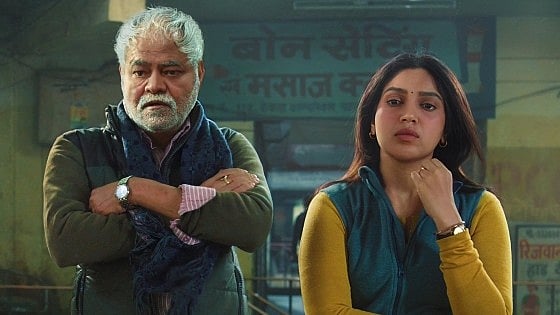
Writer Reveals Inspiration Behind Partition Drama
Screenwriter Nayanika Mahtani shares personal connection to film. Grandparents were refugees during Partition.
'%3E%3Crect%20width%3D'96'%20height%3D'96'%20fill%3D'%23C2185B'%2F%3E%3Ccircle%20cx%3D'30'%20cy%3D'24'%20r%3D'44'%20fill%3D'%23fff'%20opacity%3D'.12'%2F%3E%3Ccircle%20cx%3D'60'%20cy%3D'74'%20r%3D'40'%20fill%3D'%23000'%20opacity%3D'.10'%2F%3E%3C%2Fg%3E%3Cpath%20fill%3D'%23fff'%20d%3D'M48%2031%20l4.6%2010.2%2011.2%201%20-8.4%207.5%202.5%2011%20-9.9%20-5.8%20-9.9%205.8%202.5%20-11%20-8.4%20-7.5%2011.2%20-1%20z'%2F%3E%3C%2Fsvg%3E)
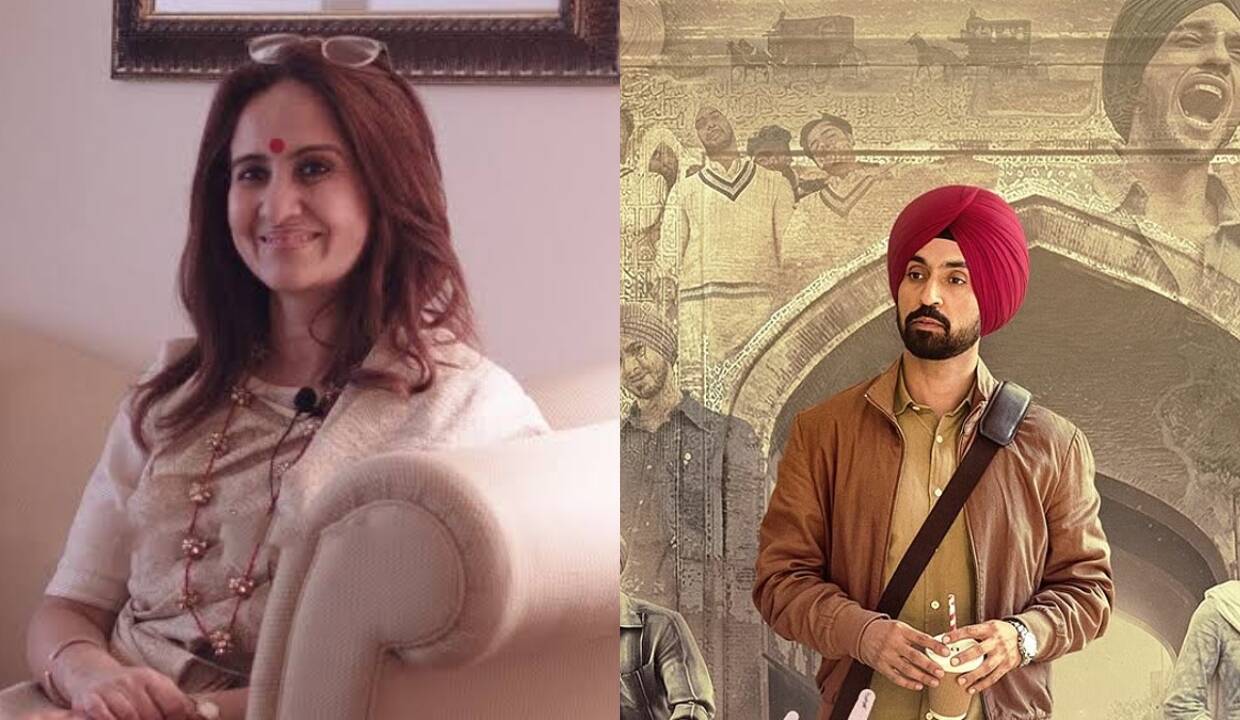
Screenwriter Nayanika Mahtani has revealed the real story behind the partition drama 'Main Vaapas Aaunga'. Mahtani's personal connection to the film stems from her grandparents, who were refugees during India's Partition. This experience inspired her writing and played a significant role in shaping the film's narrative.
The film's director, Imtiaz Ali, developed the core idea from a real-life encounter. The story centers around an elderly man's unfinished business in his ancestral village, exploring themes of identity, belonging, and redemption.
Mahtani's involvement in the project was deeply personal, given her family's history. Her grandparents' experiences as refugees during Partition had a profound impact on her, and she drew upon these stories to craft the film's emotional and poignant storyline.
In addition to Mahtani's personal connection, the film also incorporates other real-life elements. For instance, the 'Chaand Baali' element in the story originated from a real incident involving a friend. This attention to detail and commitment to authenticity have helped to create a compelling and moving narrative.
The Partition of India was a traumatic event in the country's history, resulting in the displacement of millions of people. The experiences of those who lived through this period continue to shape the nation's identity and inform its cultural heritage. Films like 'Main Vaapas Aaunga' serve as a reminder of the importance of remembering and learning from the past.
By exploring the human cost of Partition, the film provides a powerful and thought-provoking commentary on the consequences of conflict and division. The story of an elderly man's journey to resolve his unfinished business in his ancestral village is a testament to the enduring power of love, family, and community.
The film's release is likely to resonate with audiences, particularly those who have been affected by the Partition or have a personal connection to the event. As India continues to grapple with its complex history and cultural identity, films like 'Main Vaapas Aaunga' offer a unique perspective on the nation's past and its ongoing impact on the present.
In conclusion, 'Main Vaapas Aaunga' is a film that is deeply rooted in the personal experiences of its writer and the historical context of India's Partition. The story is a powerful exploration of the human condition, and its themes of identity, belonging, and redemption are likely to resonate with audiences. As a work of fiction, the film offers a unique perspective on a pivotal moment in India's history, and its release is likely to contribute to ongoing conversations about the nation's past and its cultural heritage.
The significance of 'Main Vaapas Aaunga' extends beyond the film itself, as it highlights the importance of storytelling in preserving history and cultural heritage. By sharing personal stories and experiences, individuals like Nayanika Mahtani help to keep the memories of the past alive, ensuring that future generations can learn from and appreciate the complexities of India's history.