N Chandrasekaran Resigns As Tata Sons Chairman
Tata Sons Chairman N Chandrasekaran steps down, uncertainty over leadership, trust dispute
'%3E%3Crect%20width%3D'96'%20height%3D'96'%20fill%3D'%230B6E4F'%2F%3E%3Ccircle%20cx%3D'30'%20cy%3D'24'%20r%3D'44'%20fill%3D'%23fff'%20opacity%3D'.12'%2F%3E%3Ccircle%20cx%3D'60'%20cy%3D'74'%20r%3D'40'%20fill%3D'%23000'%20opacity%3D'.10'%2F%3E%3C%2Fg%3E%3Cg%20fill%3D'none'%20stroke%3D'%23fff'%20stroke-width%3D'3.2'%20stroke-linecap%3D'round'%20stroke-linejoin%3D'round'%3E%3Cpolyline%20points%3D'31%2C59%2041%2C49%2049%2C54%2063%2C37'%2F%3E%3Cpolyline%20points%3D'55%2C37%2063%2C37%2063%2C45'%2F%3E%3C%2Fg%3E%3C%2Fsvg%3E)
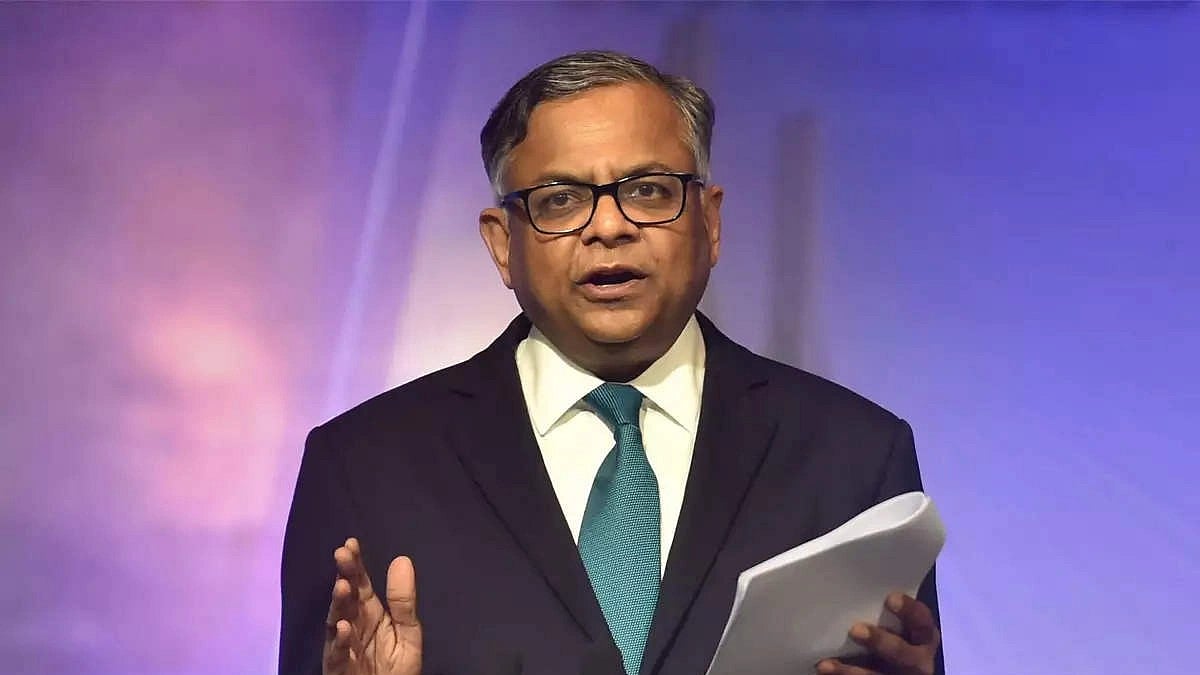
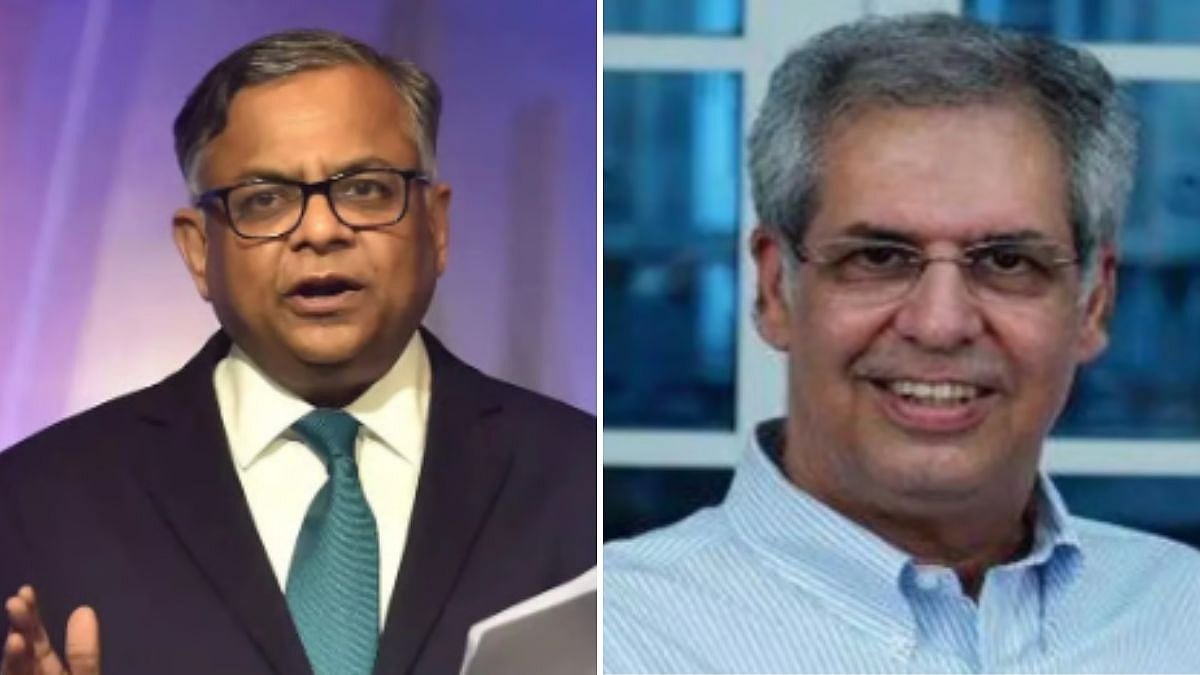
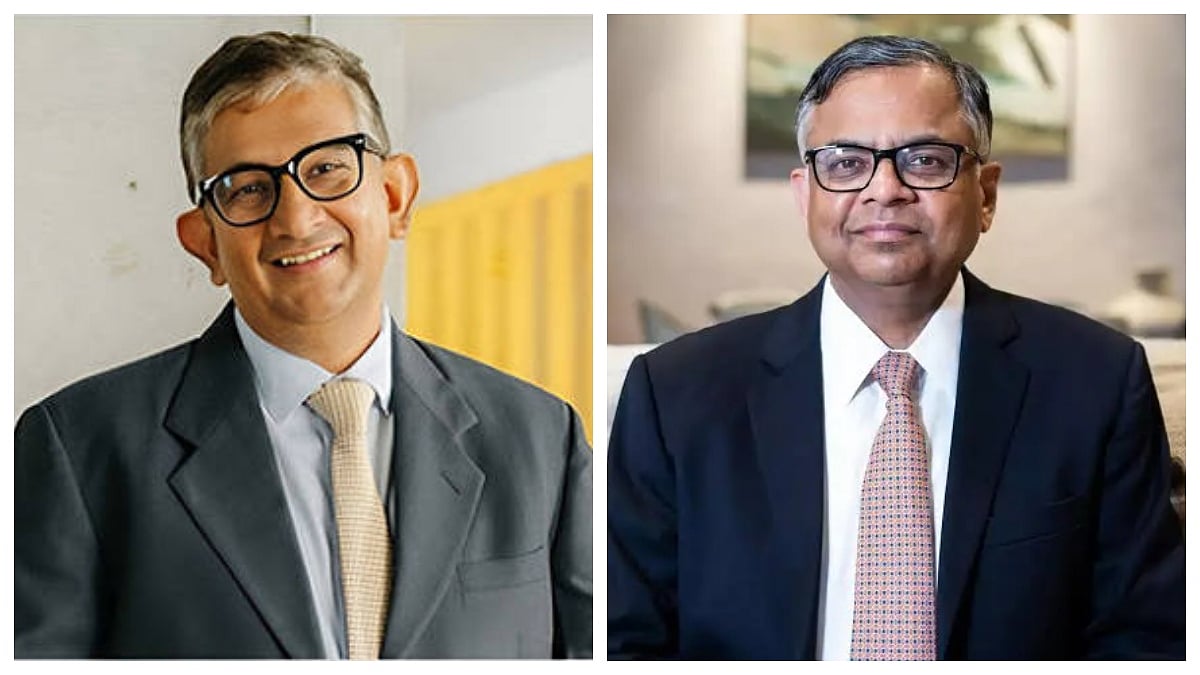
N Chandrasekaran, the Chairman of Tata Sons, has resigned from his position, marking the end of his nearly decade-long association with the organisation. He will complete his existing term but will not seek reappointment, bringing uncertainty to the leadership of Tata Sons, the principal holding company of one of India’s largest business groups.
The development comes ahead of the company’s August 18 annual general meeting, where shareholders were scheduled to vote on his continuation as a director. Chandrasekaran’s exit follows differences between Tata Sons and Tata Trusts over several governance and strategic issues.
The two sides have disagreed on matters including board representation, business strategy and the proposed exit of minority shareholder Shapoorji Pallonji Group. Earlier, Tata Sons had deferred a decision on Chandrasekaran’s reappointment after Tata Trusts Chairman Noel Tata raised concerns over issues including debt levels, a possible public listing of Tata Sons and the resolution of matters involving the Shapoorji Pallonji Group.
Chandrasekaran had reportedly suggested delaying the decision to maintain consensus between the company and Tata Trusts. During his tenure, Tata Group expanded into several new areas, including semiconductor manufacturing, electric vehicles and aviation. However, the group also faced challenges involving regulatory scrutiny, business restructuring and strategic decisions.
Chandrasekaran joined the Tata Group in 1987 and rose through the ranks to become chief executive officer of Tata Consultancy Services (TCS) in 2009. He took charge as Tata Sons chairman in 2017, becoming the first person outside the founder family to lead the conglomerate. He was chosen by late Tata Group chairman Ratan Tata to lead the group during a period of significant transformation.
The leadership transition at Tata Sons is expected to be closely watched, given the company’s significant presence in various sectors. The uncertainty over Chandrasekaran’s replacement may have implications for the group’s future strategy and direction.
In recent years, Tata Group has faced several challenges, including regulatory scrutiny and business restructuring. The company has also been exploring new areas of growth, including electric vehicles and semiconductor manufacturing. The exit of Chandrasekaran may lead to a change in the company’s approach to these areas.
The resignation of Chandrasekaran is a significant development in the Indian business landscape. It highlights the challenges faced by large business groups in navigating complex governance and strategic issues. The outcome of the leadership transition at Tata Sons will be closely watched, given the company’s significant presence in various sectors.
The news of Chandrasekaran’s resignation has sent shockwaves in the business community, with many analysts and experts weighing in on the implications of the move. The future of Tata Sons and the Tata Group remains uncertain, with many questions still unanswered.
In conclusion, the resignation of N Chandrasekaran as Tata Sons Chairman marks a significant turning point for the company. The uncertainty over the leadership transition and the implications for the company’s future strategy and direction will be closely watched in the coming days and weeks.
The development is also significant for the Indian economy, given the Tata Group’s significant presence in various sectors. The outcome of the leadership transition will have implications for the company’s approach to areas such as electric vehicles and semiconductor manufacturing.
Overall, the resignation of Chandrasekaran is a major development in the Indian business landscape, with significant implications for the Tata Group and the Indian economy.
Frequently asked questions
Why did N Chandrasekaran resign as Tata Sons Chairman?
Chandrasekaran resigned due to differences between Tata Sons and Tata Trusts over governance and strategic issues.
What are the implications of Chandrasekaran’s resignation?
The resignation may lead to a change in the company’s approach to areas such as electric vehicles and semiconductor manufacturing, and may have implications for the company’s future strategy and direction.