Government May Levy Fee on UPI Payments Over Rs 2k
UPI payments above Rs 2k may incur a fee, affecting 5% of transactions.
'%3E%3Crect%20width%3D'96'%20height%3D'96'%20fill%3D'%23B3261E'%2F%3E%3Ccircle%20cx%3D'30'%20cy%3D'24'%20r%3D'44'%20fill%3D'%23fff'%20opacity%3D'.12'%2F%3E%3Ccircle%20cx%3D'60'%20cy%3D'74'%20r%3D'40'%20fill%3D'%23000'%20opacity%3D'.10'%2F%3E%3C%2Fg%3E%3Cg%20fill%3D'%23fff'%3E%3Crect%20x%3D'29'%20y%3D'49'%20width%3D'8'%20height%3D'19'%20rx%3D'1'%2F%3E%3Crect%20x%3D'39'%20y%3D'40'%20width%3D'9'%20height%3D'28'%20rx%3D'1'%2F%3E%3Crect%20x%3D'50'%20y%3D'45'%20width%3D'8'%20height%3D'23'%20rx%3D'1'%2F%3E%3Crect%20x%3D'60'%20y%3D'53'%20width%3D'7'%20height%3D'15'%20rx%3D'1'%2F%3E%3Crect%20x%3D'41'%20y%3D'34'%20width%3D'5'%20height%3D'6'%2F%3E%3C%2Fg%3E%3C%2Fsvg%3E)
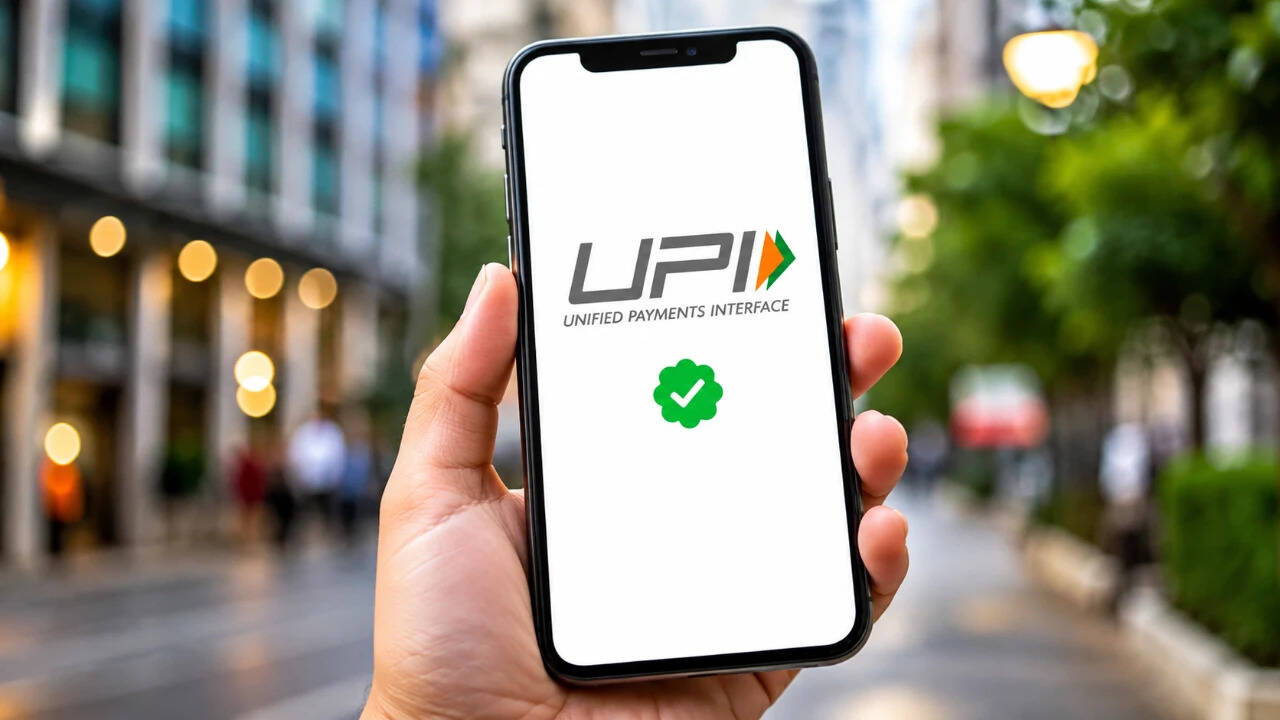
The Indian government is considering introducing a small fee on UPI payments exceeding Rs 2,000. This potential levy would apply to transactions made to businesses, but not to individuals. According to official estimates, this change would impact only about 5% of all UPI transactions, leaving most daily purchases, such as groceries and taxi fares, unaffected.
The proposed fee is expected to be a small amount, and industry experts anticipate that there may be a ceiling on the absolute amount that can be charged for these transactions. This means that even if the fee is introduced, it would likely be a minimal amount, and not a significant burden on consumers.
UPI, or Unified Payments Interface, has become a widely used payment method in India, with millions of transactions taking place every day. The government's consideration of a fee on larger transactions may be an attempt to encourage the use of other payment methods, such as credit or debit cards, for bigger purchases.
However, it's worth noting that the majority of UPI transactions are for small amounts, and the proposed fee would not affect these transactions. Most people use UPI for daily purchases, such as buying groceries or paying for taxi fares, and these transactions would remain free.
The introduction of a fee on larger UPI transactions could have some implications for businesses, particularly those that rely heavily on UPI payments. However, it's likely that the impact would be minimal, as the fee would only apply to transactions above Rs 2,000.
The government's decision on whether to introduce a fee on UPI payments is still pending, and it's unclear when a final decision would be made. However, if the fee is introduced, it's likely to be a small amount, and would not significantly impact the majority of UPI users.
In the context of India's digital payments landscape, the proposed fee on UPI transactions is a significant development. The government has been promoting the use of digital payments, and the introduction of a fee on larger transactions could be seen as a way to encourage the use of other payment methods.
Overall, the potential introduction of a fee on UPI payments above Rs 2,000 is a significant development, but it's likely to have a minimal impact on most consumers. The majority of UPI transactions would remain unaffected, and the proposed fee would only apply to larger transactions made to businesses.
The implications of this potential fee are still being considered, and it's unclear how it would affect the wider digital payments landscape in India. However, one thing is certain - the government's decision on this matter would be closely watched by consumers, businesses, and industry experts alike.
In conclusion, the government's consideration of a fee on UPI payments above Rs 2,000 is a significant development, but it's likely to have a minimal impact on most consumers. The proposed fee would only apply to larger transactions made to businesses, and would not affect the majority of UPI transactions. As the government continues to promote the use of digital payments, the introduction of a fee on larger transactions could be seen as a way to encourage the use of other payment methods.
What this means for Mumbai and India is that the digital payments landscape is continuing to evolve, with the government exploring new ways to promote the use of digital payments. The potential introduction of a fee on UPI payments above Rs 2,000 is just one part of this larger trend, and it will be interesting to see how it plays out in the coming months and years.
Frequently asked questions
Will the proposed fee on UPI payments affect all transactions?
No, the proposed fee would only apply to transactions exceeding Rs 2,000 and made to businesses, not individuals.
What percentage of UPI transactions would be affected by the proposed fee?
According to official estimates, only about 5% of all UPI transactions would be affected by the proposed fee.