PSU Lenders Challenge NCLT Order on Subhash Chandra's ₹6.5-Crore Repayment Plan
PSU lenders oppose Subhash Chandra's repayment plan, to challenge NCLT order. Plan approved despite opposition.
'%3E%3Crect%20width%3D'96'%20height%3D'96'%20fill%3D'%230B6E4F'%2F%3E%3Ccircle%20cx%3D'30'%20cy%3D'24'%20r%3D'44'%20fill%3D'%23fff'%20opacity%3D'.12'%2F%3E%3Ccircle%20cx%3D'60'%20cy%3D'74'%20r%3D'40'%20fill%3D'%23000'%20opacity%3D'.10'%2F%3E%3C%2Fg%3E%3Cg%20fill%3D'none'%20stroke%3D'%23fff'%20stroke-width%3D'3.2'%20stroke-linecap%3D'round'%20stroke-linejoin%3D'round'%3E%3Cpolyline%20points%3D'31%2C59%2041%2C49%2049%2C54%2063%2C37'%2F%3E%3Cpolyline%20points%3D'55%2C37%2063%2C37%2063%2C45'%2F%3E%3C%2Fg%3E%3C%2Fsvg%3E)
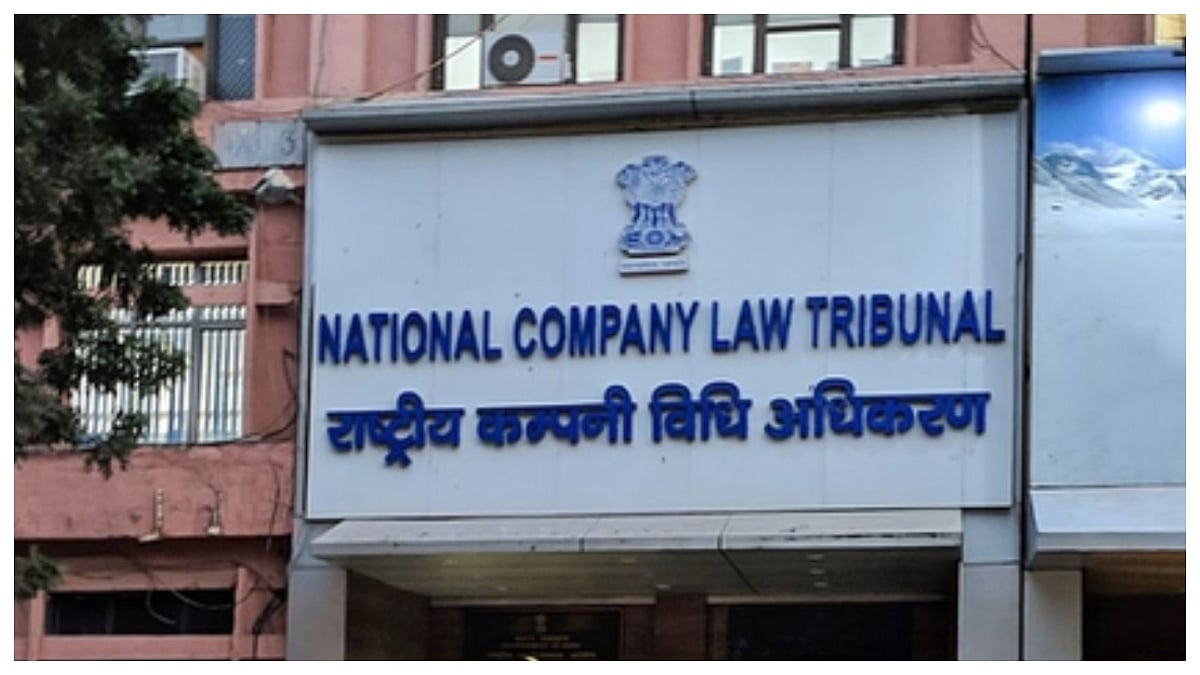
Public sector lenders LIC Housing Finance, Canara Bank, and Union Bank of India are set to challenge the National Company Law Tribunal's (NCLT) approval of Essel Group Chairman Subhash Chandra's repayment plan in his personal insolvency case.
The three lenders, which together held an 8.45 per cent voting share in the insolvency proceedings, had opposed and voted against the repayment proposal. Despite their opposition, the plan was approved after other financial creditors, collectively holding an 80.81 per cent voting share, voted in its favour.
LIC Housing Finance, which held a 6.09 per cent voting share, said it would immediately approach the National Company Law Appellate Tribunal (NCLAT) to challenge the NCLT order. Canara Bank, with a 1.60 per cent voting share, also opposed Chandra's repayment proposal and would challenge the tribunal's decision before the NCLAT.
Union Bank of India, which held a 0.76 per cent voting share, rejected the repayment plan along with other public sector entities. The lender opposed the proposal before the NCLT but said it was eventually approved because of the majority vote of certain private creditors.
The NCLT's approval of Chandra's repayment plan came in the personal insolvency case initiated by Indiabulls Housing Finance. Under the tribunal's order, Chandra will pay ₹6.5 crore to settle admitted creditor claims exceeding ₹22,000 crore.
Private-sector lender HDFC Bank is also considering challenging the order before the NCLAT. The bank had voted against the resolution but said it was approved by the required majority. HDFC Bank said only 3.2 per cent of its total claim was admitted under the NCLT order.
The lenders' decision to challenge the NCLT order highlights the ongoing disputes in the insolvency proceedings. The case has sparked concerns among creditors about the fairness of the repayment plan and the potential impact on their claims.
The NCLT's approval of the repayment plan has significant implications for the creditors and the future of the Essel Group. The lenders' challenge to the order will be closely watched as it may set a precedent for future insolvency cases.
In conclusion, the PSU lenders' decision to challenge the NCLT order on Subhash Chandra's repayment plan reflects their concerns about the fairness and transparency of the insolvency proceedings. The outcome of the challenge will have significant implications for the creditors and the future of the Essel Group.
The case also raises questions about the effectiveness of the insolvency resolution process in India and the need for greater transparency and accountability. As the lenders pursue their challenge, it remains to be seen how the NCLAT will rule on the matter and what impact it will have on the creditors and the Essel Group.
The Indian economy is closely watching the developments in this case, as it may have far-reaching implications for the banking and financial sectors. The government and regulatory bodies will also be keenly observing the outcome, as it may impact the overall insolvency resolution framework in the country.
In the end, the challenge to the NCLT order by the PSU lenders is a significant development in the ongoing insolvency proceedings. It highlights the complexities and challenges involved in resolving insolvency cases in India and the need for a more effective and transparent framework to protect the interests of creditors and stakeholders.
Frequently asked questions
What is the amount of Subhash Chandra's repayment plan?
The repayment plan is for ₹6.5 crore to settle admitted creditor claims exceeding ₹22,000 crore.
Which lenders are challenging the NCLT order?
PSU lenders LIC Housing Finance, Canara Bank, and Union Bank of India are challenging the order, along with private-sector lender HDFC Bank considering an appeal.